
Last updated August 27, 2026
Free in-home measure and quote - PGT, CGI and CWS impact lines compared on your actual openings, style by style
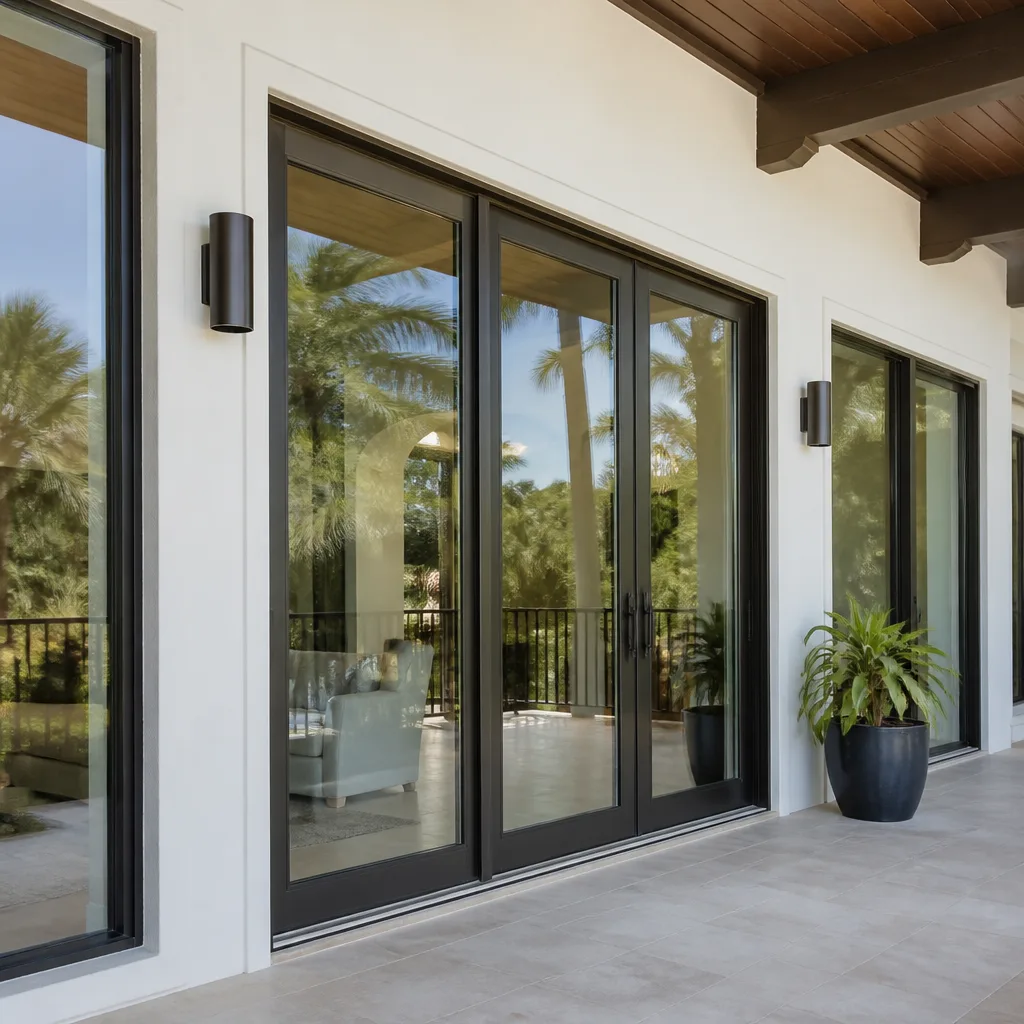
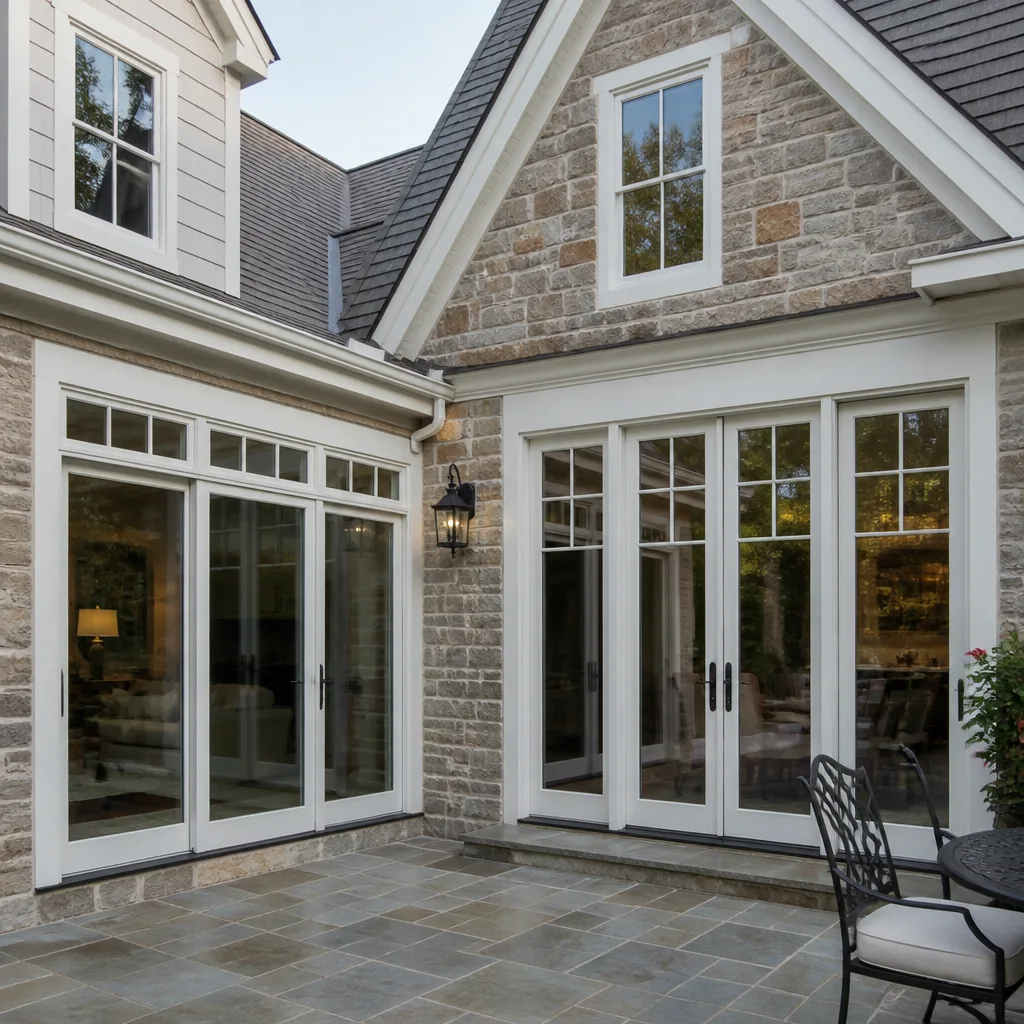
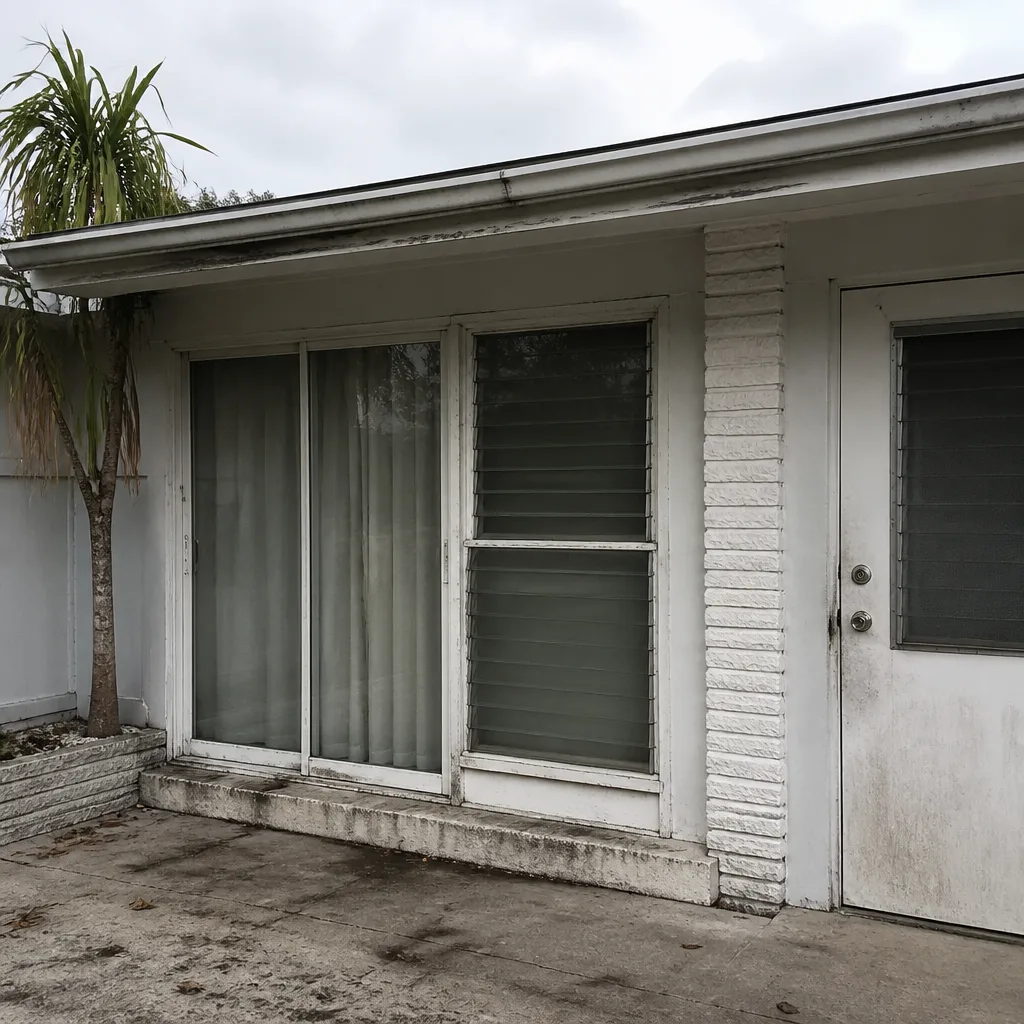 Before
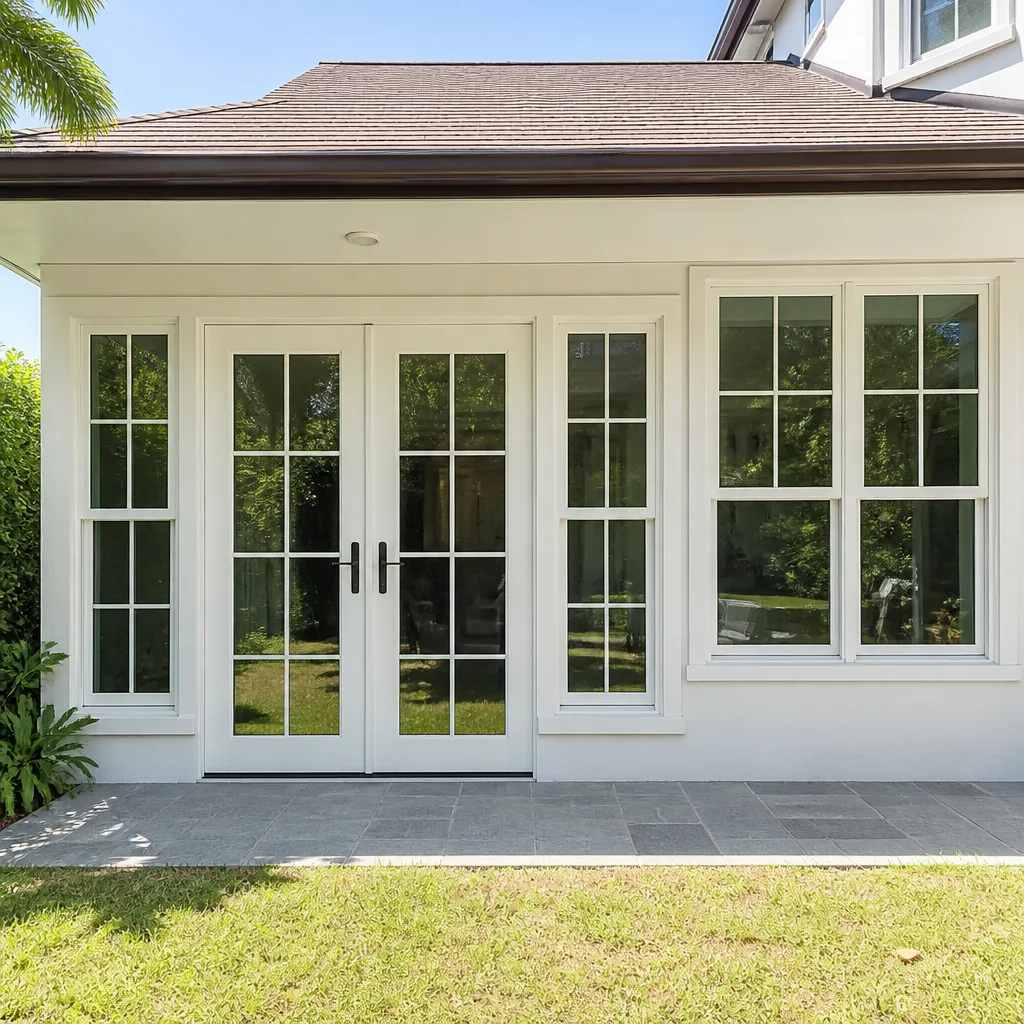 After
After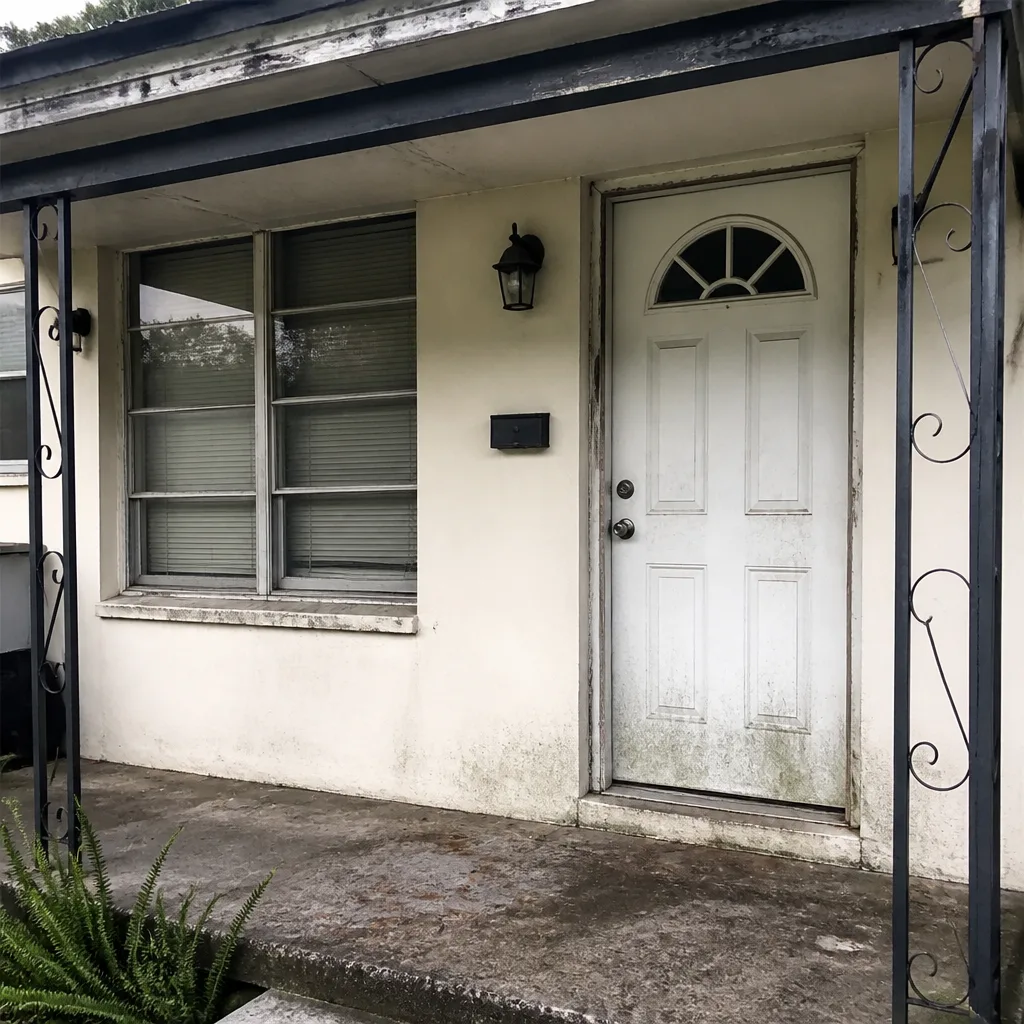 Before
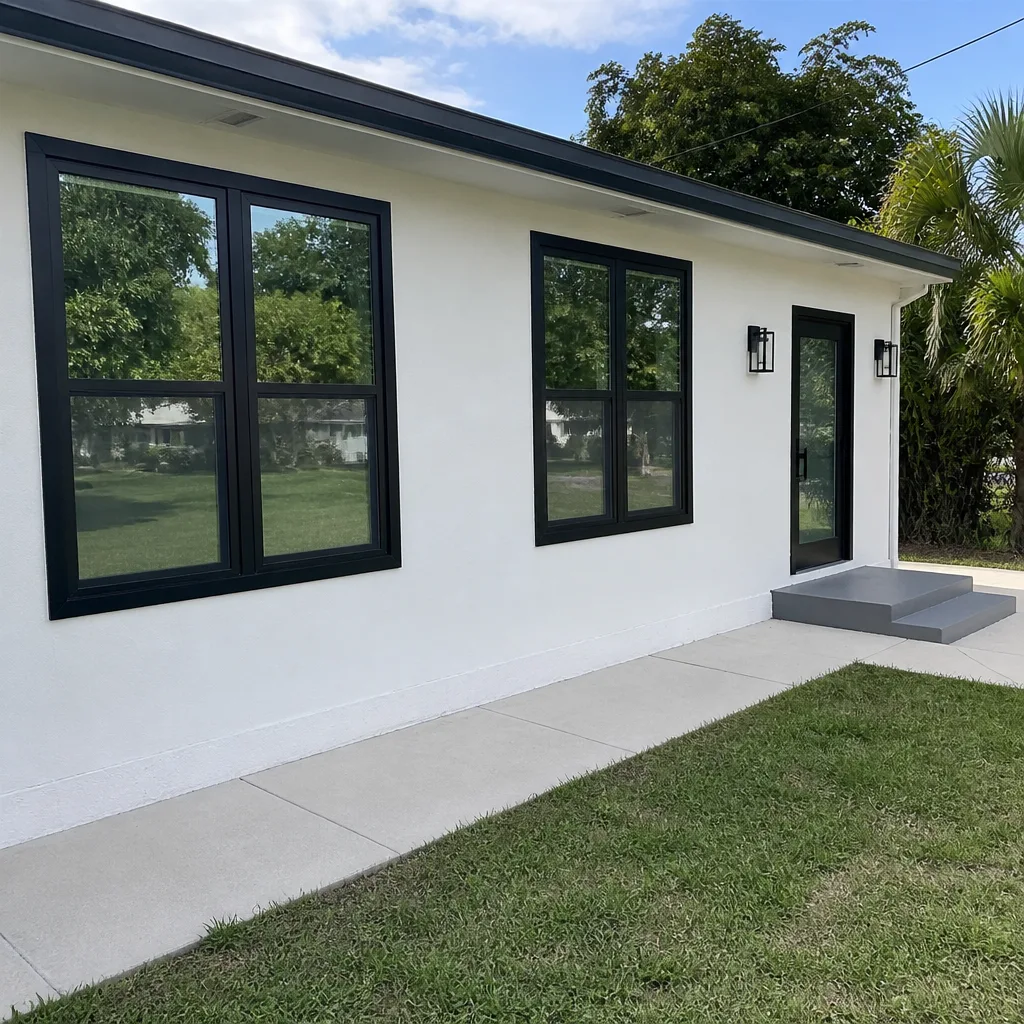 After
After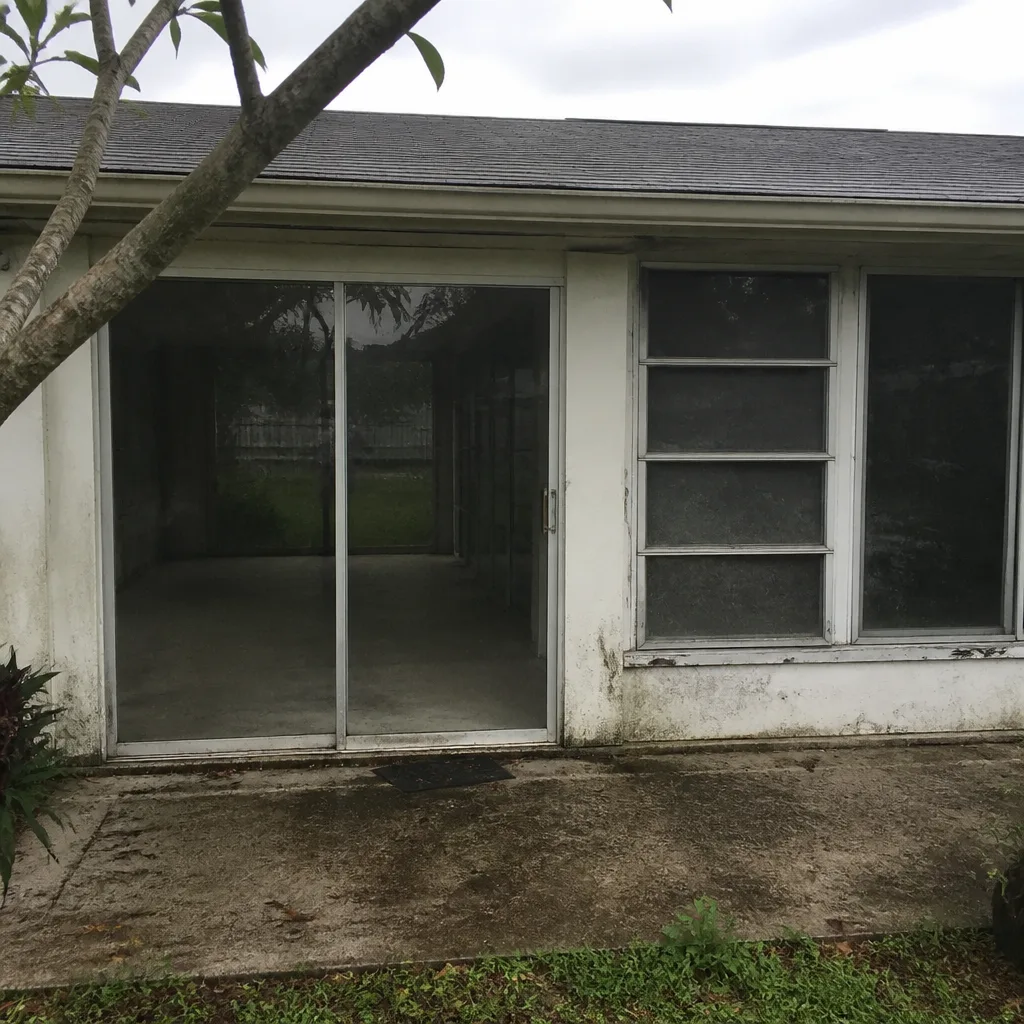 Before
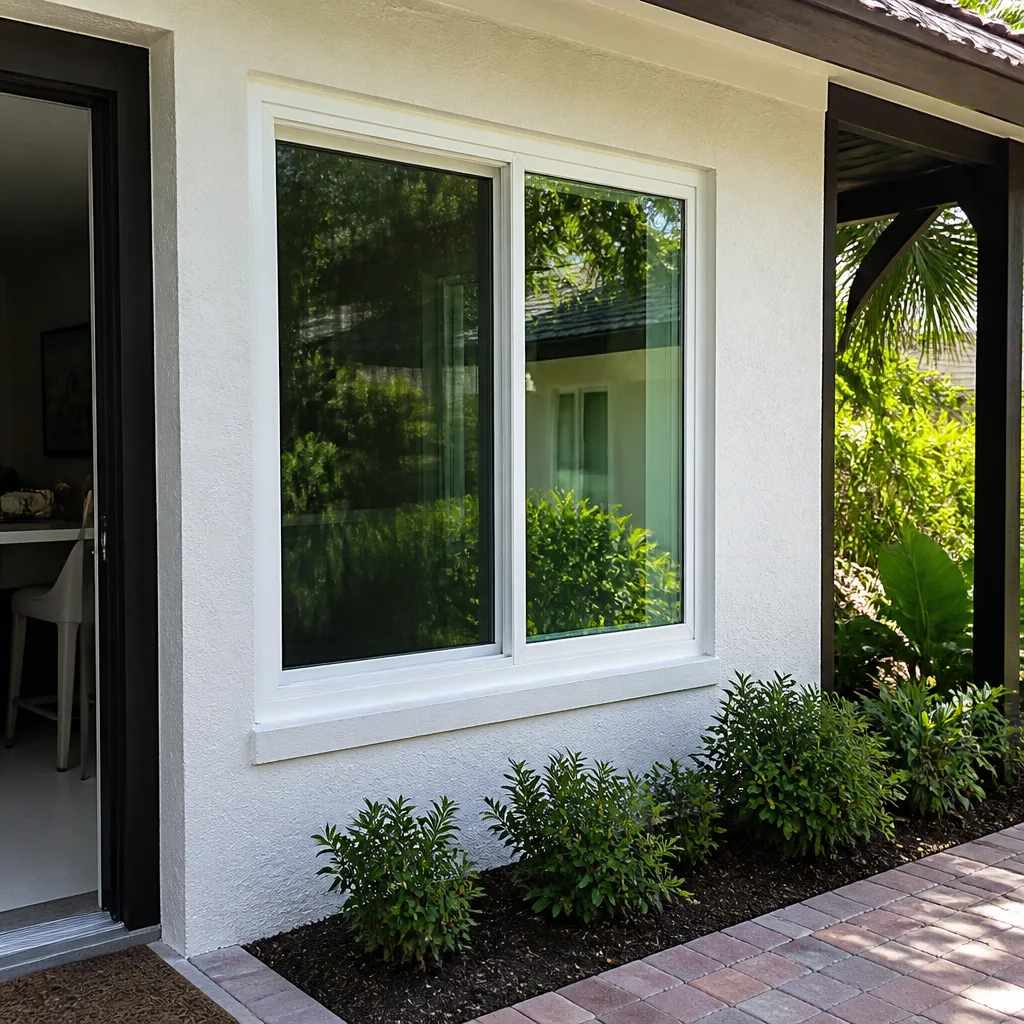 After
AfterHow to Hire a Windows & Doors Contractor in Westchester: A Step-by-Step Guide
Here’s a truth most Westchester homeowners don’t learn until it’s too late: a Florida contractor can hold a fully valid state license and still have never personally installed a single window. The state tracks licensure and installation experience as two separate things, which means the person selling you a $40,000 impact window package might be a professional estimator who has never cut a flange or flashed an opening. This guide walks you through the exact vetting process we use when we audit a competitor’s work, the questions that make resellers squirm, and the contract language that separates a real installer from a middleman with a magnet on his truck. For more guides & resources on protecting your home, see our blog. By the time you finish reading, you’ll know more about hiring a window contractor in Westchester than most sales reps know about the products they pitch.
Quick Answer
The right way to hire a windows and doors contractor in Westchester is to verify the license type, pull the permit history, confirm manufacturer certifications are current, get a written contract with change-order rules, and ask who will be on site during installation and final inspection. A CBC or CGC Florida license (not just a local registration) plus a documented permit history in your county is the baseline. Avoid any contractor who won’t provide both in writing.
Table of Contents
- What Your Contractor’s License Actually Means (CBC vs. CGC vs. Registrant)
- How to Pull a Permit History and What Red Flags Look Like
- Why ‘Manufacturer-Certified Installer’ Is a Marketing Badge, Not a Guarantee
- Five Questions That Separate Installers from Sales Teams
- Contract Clauses That Protect You (and What National Chains Hope You Don’t Read)
- What Happens After Installation: The Inspection Phase Most Contractors Skip
- Westchester-Specific Considerations for Window and Door Projects
- What Good Window and Door Work Actually Costs in Westchester
What Your Contractor’s License Actually Means (CBC vs. CGC vs. Registrant)
Florida issues multiple license types for construction work, and the distinctions matter more in Westchester than most homeowners realize. The three you will encounter are the CBC (Certified Building Contractor), the CGC (Certified General Contractor), and a local registrant. Here’s what each one actually authorizes, because “licensed” is not a synonym for “qualified to install impact windows.”
A CBC, or Certified Building Contractor, is licensed by the state to build, repair, and remodel commercial and residential structures up to three stories. This is the most common license you will see for window and door replacement companies in Broward and Miami-Dade counties. A CBC can pull structural permits and is legally authorized to modify building envelopes, which is exactly what a window replacement does. The contractor must pass state exams covering structural loading, code compliance, and construction law, and must carry proof of insurance and workers’ compensation.
A CGC, or Certified General Contractor, holds a broader license that authorizes work on buildings of any height and across a wider range of construction categories. A CGC is not automatically a window expert, but the license demonstrates a higher level of tested knowledge in structural systems. In Westchester, where many homes date from the 1960s and 1970s with concrete block construction, a contractor licensed as CGC will typically have deeper experience with structural modifications, which can matter when a window opening needs reframing or a lintel needs replacement.
A local registrant is someone who has registered a specialty contractor license with the county rather than earning a state certification. These registrations often cover narrow scopes like screen enclosures, certain types of trim work, or specialty glass. A registrant may be perfectly competent at a narrow task but is generally not authorized to pull structural permits for window replacement. If a contractor telling you they can install impact windows in Westchester only carries a county registration, that is your signal to walk away.
The rule of thumb we tell every homeowner: for impact window or door replacement in Westchester, you want a state-certified CBC at minimum, ideally a CGC. Ask for the license number, then verify it on the Florida Department of Business and Professional Regulation website. It takes two minutes and it catches more problems than any other single check you can perform.
How to Pull a Permit History and What Red Flags Look Like
Every legal window replacement in Westchester requires a permit, and every permit is public record. Broward and Miami-Dade counties both maintain online portals where you can search building permits by contractor name or license number. This is the most underused vetting tool in South Florida, and it reveals more about a contractor than any review site ever will.
Here is the process in plain language:
- Go to the county building department portal. For Westchester addresses in Miami-Dade, that is the Miami-Dade County Permit and Inspection portal. If your specific street falls under a Broward municipality, use the Broward County ePermits system.
- Search by the contractor’s license number, not just their company name. License numbers don’t change when a company rebrands. Company names do.
- Pull the last three years of permits. You are looking for volume (consistent activity suggests an operating business, not a side hustle) and for completion status (permits should show as “closed” or “finaled,” not perpetually “open”).
- Click on individual permits. Every permit lists the work scope, the property address, and the dates of inspection. This tells you what kind of projects they actually do, not what they advertise on their website.
- Print or screenshot what you find. If the contractor’s permit history doesn’t match the claims in their sales pitch, you have your answer.
Red flags in plain language: a long list of open, never-closed permits (that means inspections were never passed and the contractor walked away, and the homeowner is now stuck with an unpermitted installation). Permits only for low-value work like door replacements but never structural window changeouts. Zero permits in your county despite five years of “serving the area.” A permit history that shows repeated correction notices from inspectors for water intrusion or flashing failures. When we talk to Westchester homeowners who have been burned, the story almost always starts with a permit history that would have warned them if they had looked.
Any contractor who hesitates to give you their license number or reacts defensively when you mention permit history is a contractor to cross off your list immediately. A real installer will tell you their license number before you finish asking, because it is a point of pride.
Why ‘Manufacturer-Certified Installer’ Is a Marketing Badge, Not a Guarantee
You will hear the phrase “manufacturer-certified installer” from nearly every window contractor in Westchester, and it feels reassuring. Here is what it actually means: the manufacturer has verified that someone at the company completed a training course, usually a few hours in a classroom or online, and that the company sells enough volume to maintain preferred status in the manufacturer’s dealer program. It does not guarantee the person standing in your living room has ever installed that specific window correctly. It does not guarantee any particular level of workmanship. It primarily guarantees that the contractor has agreed to the manufacturer’s pricing and ordering apparatus.
Manufacturer certifications are not meaningless. They matter because they usually preserve warranty eligibility on the product side. If you buy impact windows from an unauthorized seller, the manufacturer may decline to honor the frame warranty. But a certification does not replace installation competence. We have replaced more than a few window units in Westchester that were “certified installer” installations with failed flashing, reversing window sashes, or improperly set anchors. Brand certification didn’t stop any of those failures. What would have stopped them is a contractor who sends the same crew lead to ten impact window jobs and had a supervisor on site to verify each one.
What to ask beyond the certification badge:
- “Who from my house will be on site the day of installation? Can I meet them before the job starts?”
- “How many impact window jobs has that specific crew completed in the last year?”
- “Will the installer be checking the openings with a level and measuring for deflection before setting the new window, or is it a standard pull-and-replace?”
- “What happens if the inspector notices a water intrusion issue? Who revisits, and is that included in my contract?”
We install authorized products from eight manufacturers, including ES Windows, ECO Window Systems, and Therma-Tru, and we maintain those certifications because the product warranties require them. But we tell every Westchester client the same thing: our certification matters far less than the name on the truck and the person who installs the work. Ed Winslow owns this company, he answers the phone, and he stands behind every opening we touch.
Five Questions That Separate Installers from Sales Teams
Most homeowners interview a contractor and ask about price, timeline, and warranty. Those are fine questions, but they’re the questions every sales rep expects and has a rehearsed answer for. The following five questions are the ones that reveal whether you’re talking to an owner-operator who installs windows or a commissioned salesperson who schedules installations for someone else.
- “What is your license number, and is your license CBC or CGC?” A real installer answers instantly. A reseller hedges, says “fully licensed and insured,” and changes the subject. Insist on the number. Then verify it.
- “Can I have the addresses of three completed projects in Westchester where I could drive by and see the work?” Any contractor doing honest work in this area can produce addresses within minutes. A marketing company that subcontracts everything cannot, because they don’t know where their jobs actually happened.
- “When the inspector comes for final inspection, will someone from your company be on site?” In our experience, most installers disappear after the last screw is set. The answer to this question is the single biggest predictor of how a contractor handles problems after installation. We’ll revisit this in the inspection section below.
- “Who owns the company, and what is their cell phone number?” For a national chain, this question has no answer, or it gets a corporate office number with an extension. An owner-operated company in Westchester gives you a name and a number on a business card, and calls back. In our company, Ed’s number is on every quote and every contract.
- “What is your policy if my existing opening is rotted when you pull the old window out?” A dishonest or incompetent contractor will hide this problem by covering it back up. A competent contractor tells you before you sign that rotted framing or failed sill pans are a real possibility in a 50-year-old Westchester home, explains how they document what they find, and explains how additional work is priced and approved before any unexpected repair happens.
The goal of these five questions isn’t to trick anyone. It’s to filter for the single characteristic that predicts a good outcome in Westchester more than any other factor: whether the person you are talking to is accountable for what happens after you write the check. That is the difference between an installer and a reseller. Some of our best clients came to us after a national chain salesperson couldn’t answer question three or question four. That’s not coincidence.
Contract Clauses That Protect You (and What National Chains Hope You Don’t Read)
The difference between an owner-operated contract and a national chain’s fine print is often the difference between a warranty that means something and a warranty that evaporates. When we write a contract in Westchester, the language reflects the fact that Ed Winslow personally owns the outcome. In most corporate agreements, the language is designed to limit the corporation’s liability while maximizing its payment schedule. Reading the difference is educational.
Here is what to ask for, and the specific clause language you want to see in writing:
- Change-order language that caps cost without your written approval. Your contract should state that no work beyond the agreed scope will be performed until you approve it in writing, with a price. Without this clause, an unscrupulous contractor finds “unexpected conditions” and sends a large extra invoice after the work is done. We had a Westchester client show us a chain’s change-order clause that allowed the contractor to alter scope and price with only a phone call. That’s not a contract, that’s a blank check.
- Schedule commitment, not estimate. Most contracts say work will be “scheduled” or “estimated.” You want language that specifies a start window and a completion window, with a process for what happens if the contractor fails to show. We heard from a Westchester homeowner who waited six months for a national company to install doors that were already paid for. The contract had no start-date commitment because the fine print made the schedule conditional on “materials availability.” That condition makes the schedule meaningless.
- Permit and inspection responsibility in writing. The contract should state who will pull the permit, who will schedule inspections, and that a final passed inspection is required before final payment. If the contractor is vague here in sales, assume the contract will be vague too.
- Specific materials by model number, not by category. Don’t let a contract list “impact windows” as the scope. It needs to list the manufacturer, the model, the glass package, the lamination layer, and the design pressure rating. In our contracts, every line item names the exact model series. If a salesperson won’t put the model numbers in writing, they’re probably trying to keep the door open for a cheaper substitution later.
- Warranty in years with named obligations, not “lifetime” as a standalone word. “Lifetime warranty” is a marketing phrase until the contract tells you what lifetime means. Does it cover glass breakage? Parts only? Labor for replacement? Who addresses installation defects? We spell it out in writing, because a warranty that exists only in the sales brochure was never a warranty at all. Our 36500-Day Done Right Promise is not a warranty section in fine print; it’s the foundation of the agreement, and it means we fix our work, period.
Read the final contract before you sign it, which means not signing the same day the salesperson is sitting in your kitchen. A legitimate contractor in Westchester will leave the contract with you and let you read it in peace. If someone pressures you to sign before reading every clause, that pressure is itself the red flag.
What Happens After Installation: The Inspection Phase Most Contractors Skip
Here is a sequence our Westchester clients see constantly from other companies: the crew packs up the truck, the installers drive off, and the homeowner never sees them again. The inspection happens whenever the county schedules it, and if the inspector finds an issue, the homeowner has to call the contractor back, wait days for a callback, and hope someone responds. The contractor has already been paid in full, so the incentive to return is low. This is exactly how a good installation becomes a service headache.
In our process, we consider the job incomplete until the final inspection has passed. That means a Winslow representative is on site when the inspector arrives at your Westchester home, watching the inspection alongside you and able to answer the inspector’s questions directly. If the inspector finds an issue, we fix it, and we’re back for the reinspection. That sounds simple, but it’s rare, and it’s one of the concrete differences between owner-operated accountability and corporate handoff. You cannot inspect what you never return to see, and we return to see every one of our final inspections.
Why this matters in Westchester specifically: Miami-Dade is one of the most stringent building code jurisdictions in the country, which means inspectors here actually look. They check anchoring, flashing, nailing patterns, sealant joints, everything. A window installed to code in most of the country may fail Miami-Dade inspection, and the requirement for impact-rated, HVHZ-certified products raises the construction standard far beyond what a chain installer from another market is used to face. Using a contractor who doesn’t have a relationship with the local inspectors, and who doesn’t stay for the inspection, increases the chance of failing the first pass, then sitting in limbo waiting for corrections. We’ve been licensed and inspecting work in this area since 2011, and the inspectors know our work because they see it repeatedly and see the same accountable name attached to it.
Westchester-Specific Considerations for Window and Door Projects
Westchester sits far enough inland that some homeowners assume they don’t need the same impact protection as beachfront properties, and that assumption costs them. Every window replacement in Westchester must meet Miami-Dade’s High Velocity Hurricane Zone requirements, which govern framing, glazing, and anchoring for the entire county, not just the coastline. A window sold for use in Broward may not meet Miami-Dade HVHZ product approval, and the contractor has to know which products carry which approvals. Installing a non-HVHZ window in Westchester not only fails inspection, it puts the home at risk in the next storm. We’ve seen it happen.
Westchester homes also share a specific age profile. A large percentage of the housing stock was built between the 1950s and 1980s, which means concrete block or CBS walls, older framing styles, and openings that were measured for standard builder windows, not modern high-performance units. In practical terms, that means the job is rarely a simple pull-and-replace. Openings may need shimming. Sill pans may need rebuilding. Anchoring into concrete block requires specific fastener selection, not whatever the crew has in the truck. A contractor doing this work correctly in Westchester will check the wall type before quoting, and the quote should reflect what is actually in the wall.
Ask your contractor if they have experience with CBS construction specifically. Experience installing windows into wood frame homes in central or northern Florida does not transfer directly to block construction with a stucco exterior. At a minimum, the crew should know the difference between tapcon anchoring, through-bolt anchoring, and expansion anchoring into hollow block cells. If the salesperson doesn’t know what you mean when you ask about CBS block anchoring, that tells you what you need to know.
Drop by the Winslow Windows & Doors home to see the full scope of our work in Westchester and how we approach CBS construction.
What Good Window and Door Work Actually Costs in Westchester
Let’s talk numbers, because this is where homeowners get surprised, and where suspect contractors do their best work hiding things. For a detailed look at pricing, see our Windows & Doors Cost Breakdown: The Westchester Homeowner’s Reference for 2026. Good impact window installation in Westchester costs more than you’ll find in most of Florida, and this is a feature of the building code, not a contractor ripping you off. An HVHZ-approved impact window system, properly anchored into CBS block, costs more because the products themselves are heavier, the glass laminates are thicker, and the installation requires more anchoring points and more verification than a standard window in a wood frame house anywhere else in the country.
Here is what to expect, based on our experience in this market:
- Standard impact window replacement (per opening): $900 to $1,800, depending on size, frame material, and whether the existing opening needs reframing. Larger openings and specialty shapes run higher.
- Standard impact slider door replacement: $3,000 to $7,000, with wider spans and higher design pressure ratings pushing toward the top of that range.
- Custom or geometric impact windows: start around $1,500 per opening and can go well beyond $3,000 for large radius-top or triangular units.
- Impact front entry door with frame: $2,500 to $6,000 installed, with premium door brands like Therma-Tru on the higher end for full-frame replacement.
- Additional structural work (lintel repair, rotted sill replacement): $200 to $1,200 per opening when found, and this is why contract language around change orders matters so much.
- Permit and inspection fees: typically $150 to $500 total, depending on the scope, and they should be itemized in your contract, not buried in “miscellaneous.”
One thing you won’t find in our quotes: a trip charge when we’re working in our home county. We don’t charge to come out and look at your Westchester windows, and we don’t charge for a written estimate. If another contractor charges you a fee just to prepare a quote, keep that in mind when you compare prices, because that charge is typically applied as a discount only if you sign with that same company, which is simply a tool to keep you from shopping.
We also keep a permanent 10% discount for seniors and veterans, and a standing $40-off-any-repair-over-$200 policy. Those are not specials or limited-time offers. They’re just the way a local company treats its neighbors. The math of an honest quote isn’t hard to follow when everything is line-itemed, which is how we write every estimate.
For a deeper look at impact-rated products in our area, see our guide to Impact Windows in Westchester.
Common Mistakes to Avoid
- Hiring based on the estimate, not the contract. An estimate is a number. A contract is a promise. Many homeowners in Westchester choose the lowest estimate and never read the contract until something goes wrong. Always compare contracts side by side, not just the bottom line.
- Verifying the license but not the permit history. A license tells you the state authorized the business. The permit history tells you the work actually happened and passed inspection. One without the other tells you half the story.
- Trusting “manufacturer-certified” without asking who installs. Certification keeps your product warranty alive. It does not prevent an inexperienced crew from botching the installation. Meet the person who will do the work.
- Signing a contract with a vague change-order clause. If the contract lets the contractor charge you for “unforeseen conditions” without your written approval, the final invoice is not the number you agreed to. Fix the language before you sign.
- Paying in full before final inspection. The final payment should not change hands until the inspection has passed. We schedule it that way in our contracts, and you should demand it from anyone you hire. Once a contractor is paid in full, your leverage disappears.
- Skipping the driving check. If a contractor can’t point you to three completed homes in Westchester with their windows in the wall, you’re hiring a sales organization, not an installation company.
- Assuming all impact windows are equal. A window approved for HVHZ in Miami-Dade is not the same as a window installed elsewhere in Florida. In Westchester, the code is the code, and cutting corners on product approval fails inspection and risks your home.
When to Call a Professional
Some window and door projects will tempt you to handle them yourself or to hire a handyman at a fraction of the cost, and we understand the instinct. A single door slab replacement on an interior door is a reasonable DIY project. But when you’re replacing exterior windows, cutting into a CBS wall, or installing any product that carries a hurricane protection rating, this is not a handyman job and it’s not a weekend project. If you notice any of the following in your Westchester home, call a licensed contractor before the problem gets worse: water stains or soft wood around a window frame, windows that are difficult to open or close because the house has settled, visible cracks in stucco radiating from a window corner, condensation between glass panes on an insulated unit, or a door that fails to latch after a storm. Our Seasonal Windows & Doors Care for Westchester: Year-Round Homeowner’s Guide covers how to spot these issues early. These are signs of larger issues, and none of them improve with time. Winslow Windows & Doors offers free estimates in Westchester, call (863) 251-5864 and we’ll send someone who knows what they’re looking at.
Frequently Asked Questions
A window and door contractor in Westchester should hold a state-certified building contractor (CBC) license at minimum, and ideally a certified general contractor (CGC) license. A county registration alone is not sufficient for structural window replacement. Always ask for the license number and verify it with the Florida DBPR before hiring, and we’re happy to share ours on the first call.
Search the contractor’s license number in the Miami-Dade County Permit and Inspection portal to see every permit they’ve pulled, when it was pulled, and whether it was finaled or left open. An open-permit backlog or a history of failed inspections is a clear red flag, and a clean, closed permit record means the work was done and the inspector signed off.
Impact windows in Westchester cost more because Miami-Dade’s High Velocity Hurricane Zone code requires heavier laminated glass, stronger frames, and more anchor points than anywhere else in the state. Keeping them in good condition matters, which is why we published the Impact Windows Maintenance Checklist for Westchester Homeowners. The products themselves are more expensive, and the labor is more exacting. It’s not a contractor markup; it’s the cost of building to the strictest code in the country.
It should not change by a single dollar without your written approval. In our contracts, every line item is itemized and the change-order language requires your signature before any additional work is authorized – and we recommend you insist on that language from any contractor. Call us at (863) 251-5864 if you’ve received a quote you want us to walk through line by line.
We pull every permit for our work in Westchester and we stay on site for the final inspection until it passes. It’s our name on the permit. Window Installation in Westchester is our core service and we handle the paperwork on every single job so you never have to chase the county.
A standard single-story CBS home in Westchester with ten to fifteen window and door openings typically takes two to four days for installation, plus a few days for permit scheduling and final inspection. The exact timeline depends on whether we find rot or structural issues when we open the walls. We will give you a written schedule before we start and let you know immediately if anything changes.
Replacing a window can be a standard unit swap, while installing impact windows means the entire opening is reinforced and the unit must meet Miami-Dade HVHZ production standards and pass hurricane-code inspection. In Westchester, the two are often the same job, and you should work with a contractor who understands that difference deeply. Read our Window Replacement in Westchester page for specifics.
The Bottom Line
Hiring a window and door contractor in Westchester is not about choosing the right window. It’s about choosing someone accountable enough to do the job the building code demands and the way a neighbor should. Verify the license, pull the permit history, ask who installs, demand contract language that protects you, and insist on someone being present at final inspection. If a contractor balks at any of those steps, you’ve learned something valuable. If you’d rather skip the vetting process entirely, you can work with the local company that already does all of it as standard practice, just call (863) 251-5864 and you’ll get a live person. Ed’s name is on the door, and on every job we do. We’re the one down the road.
Written by Ed Winslow, Owner at Winslow Windows & Doors, serving Westchester since 2011.
Six Reasons Homeowners Choose Winslow Windows & Doors
Impact systems engineered to design pressures up to +/-100, matched to your wind zone - your openings hold when the storm arrives.
Low-E insulated impact glass from our manufacturer lines commonly cuts monthly cooling bills 20-30%.
Laminated impact glass shuts out up to 40% of outside noise - traffic, neighbors, weather.
Monitoring services run $30-90 a month. Laminated impact glass resists forced entry around the clock, with no subscription.
Florida homeowners average around 25% savings on the windstorm portion of their policy after protecting every opening - some homes qualify for more.
A full impact package upgrades curb appeal, buyer confidence and appraised value in one project.