
Last updated August 27, 2026
Free in-home measure and quote - PGT, CGI and CWS impact lines compared on your actual openings, style by style
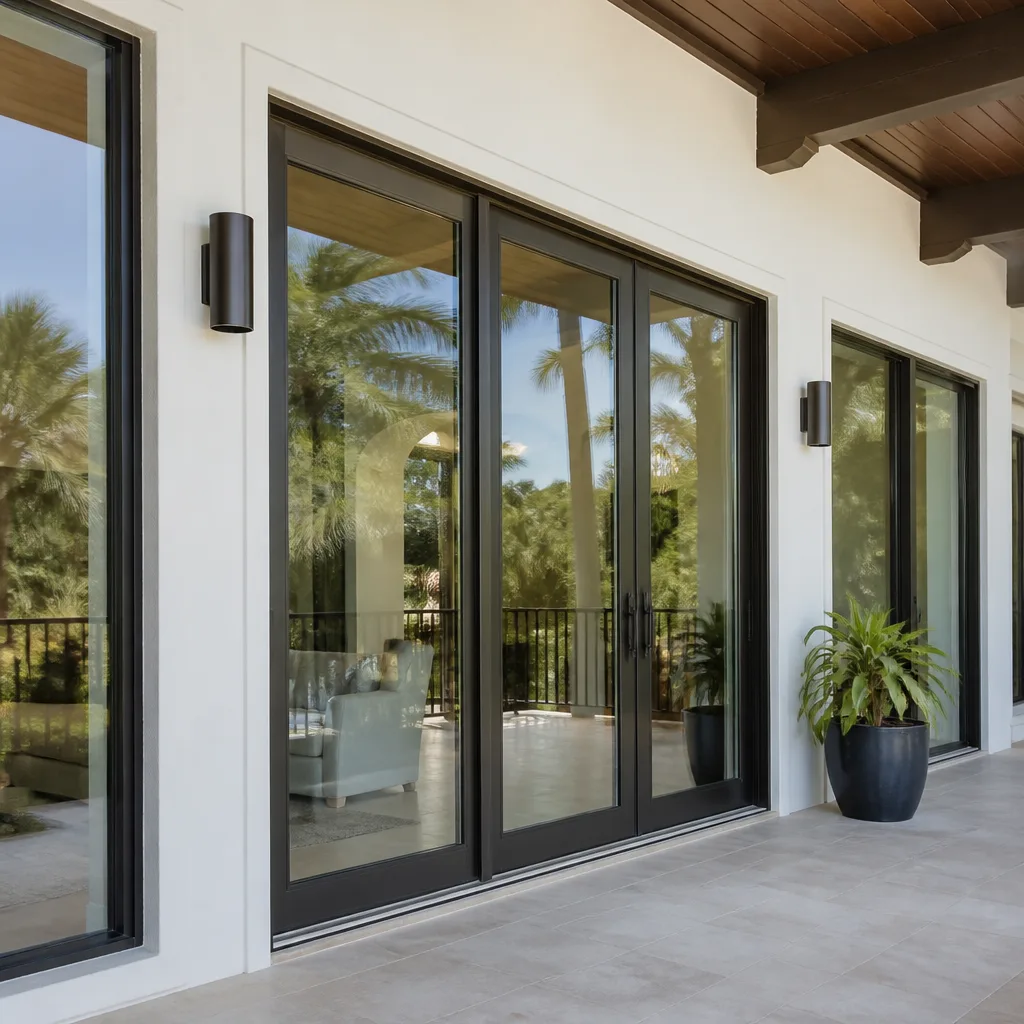
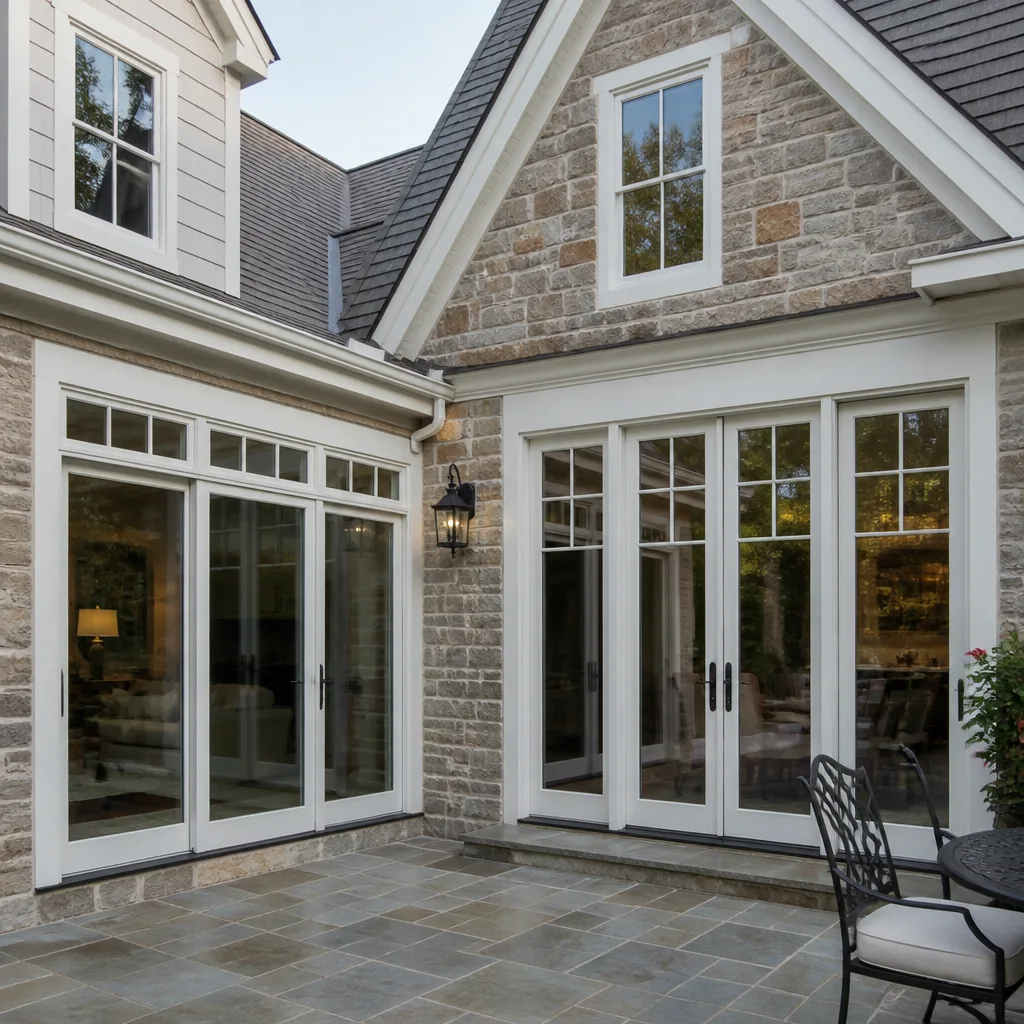
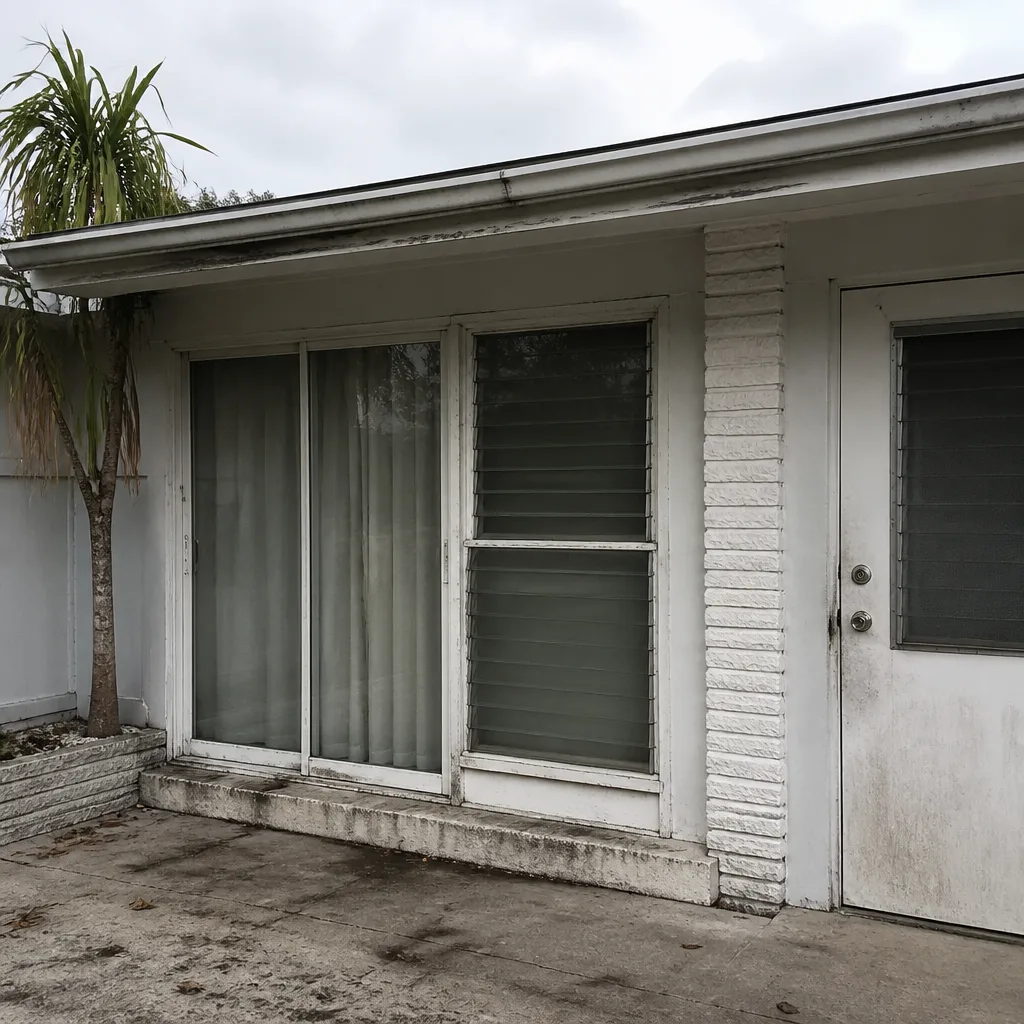 Before
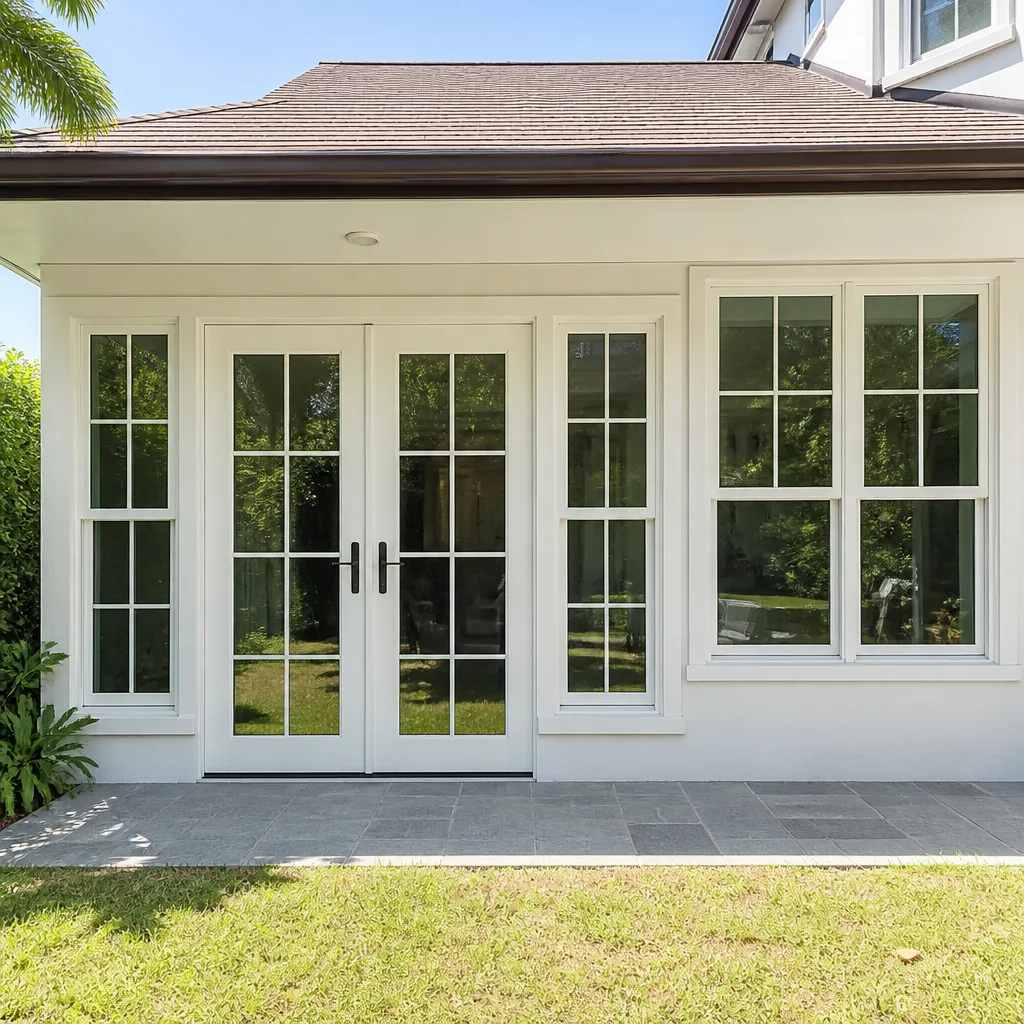 After
After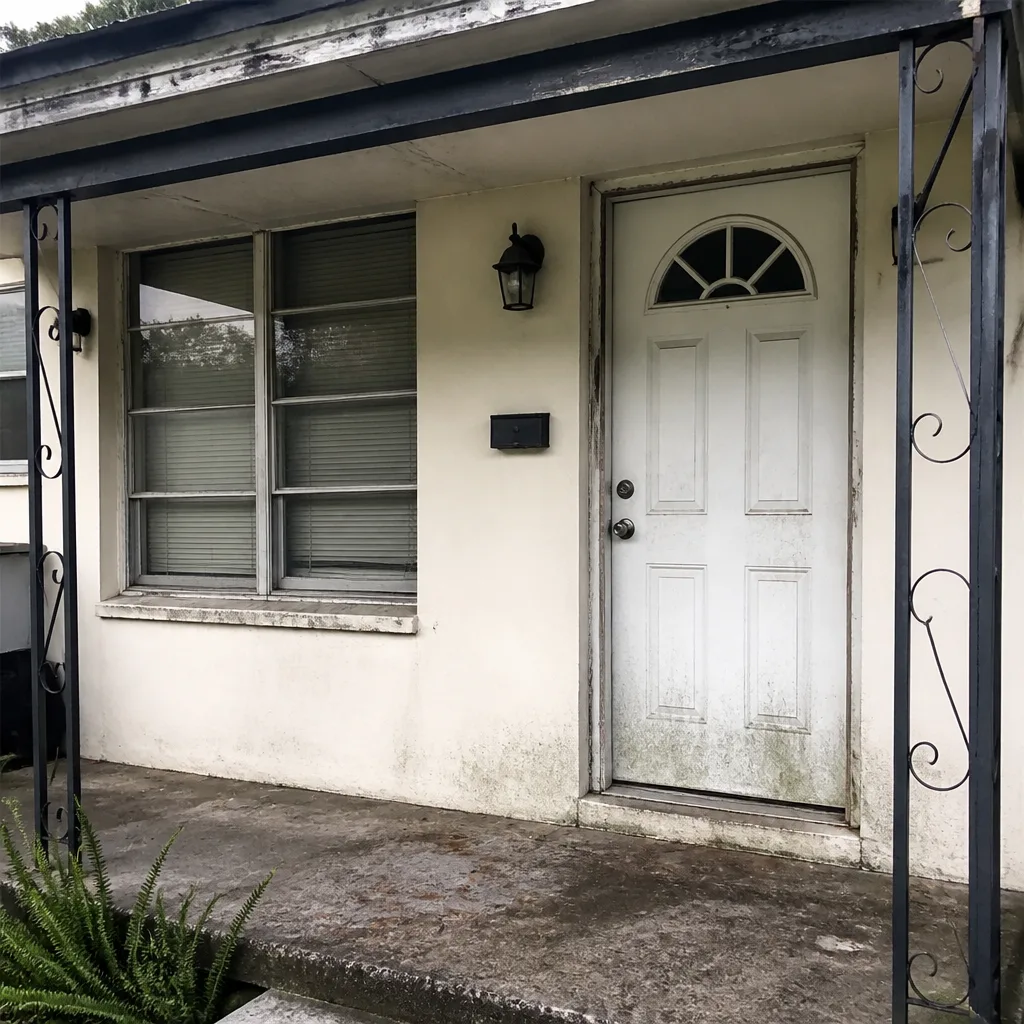 Before
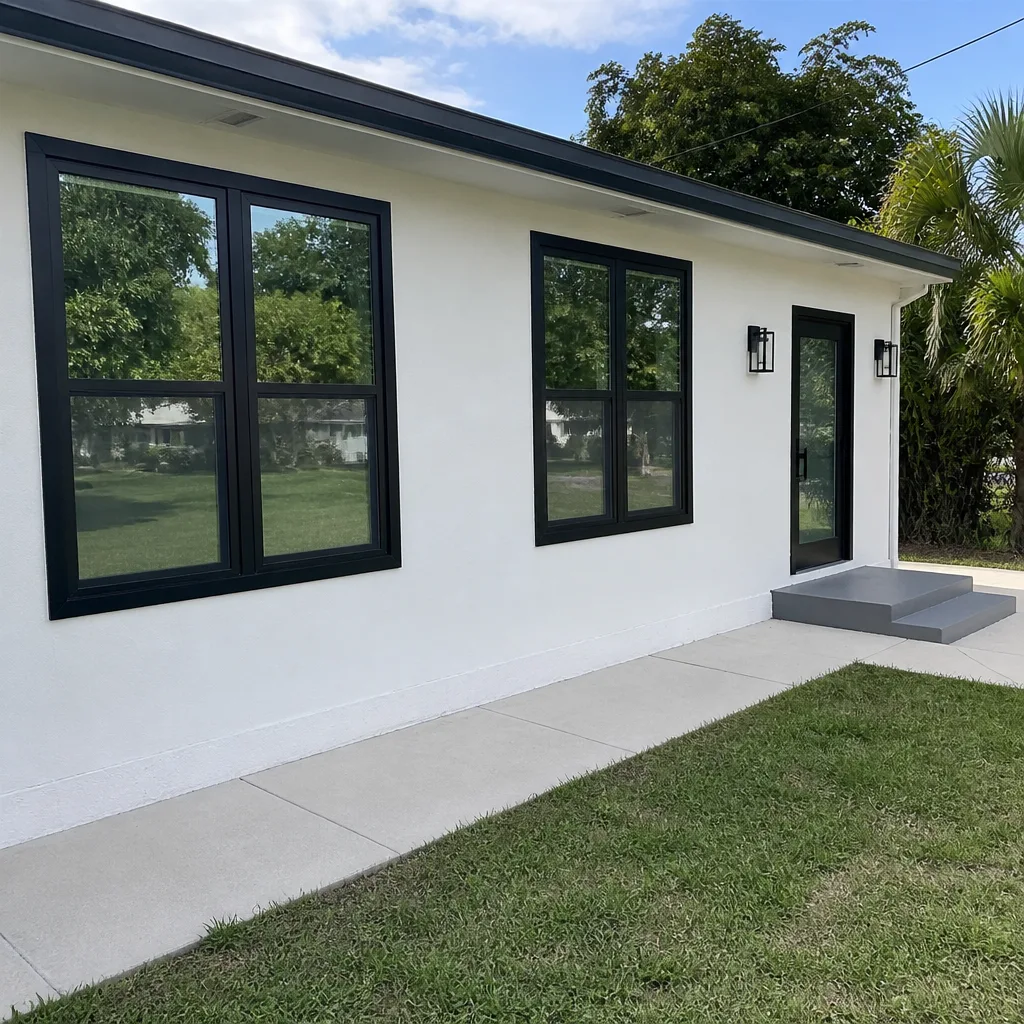 After
After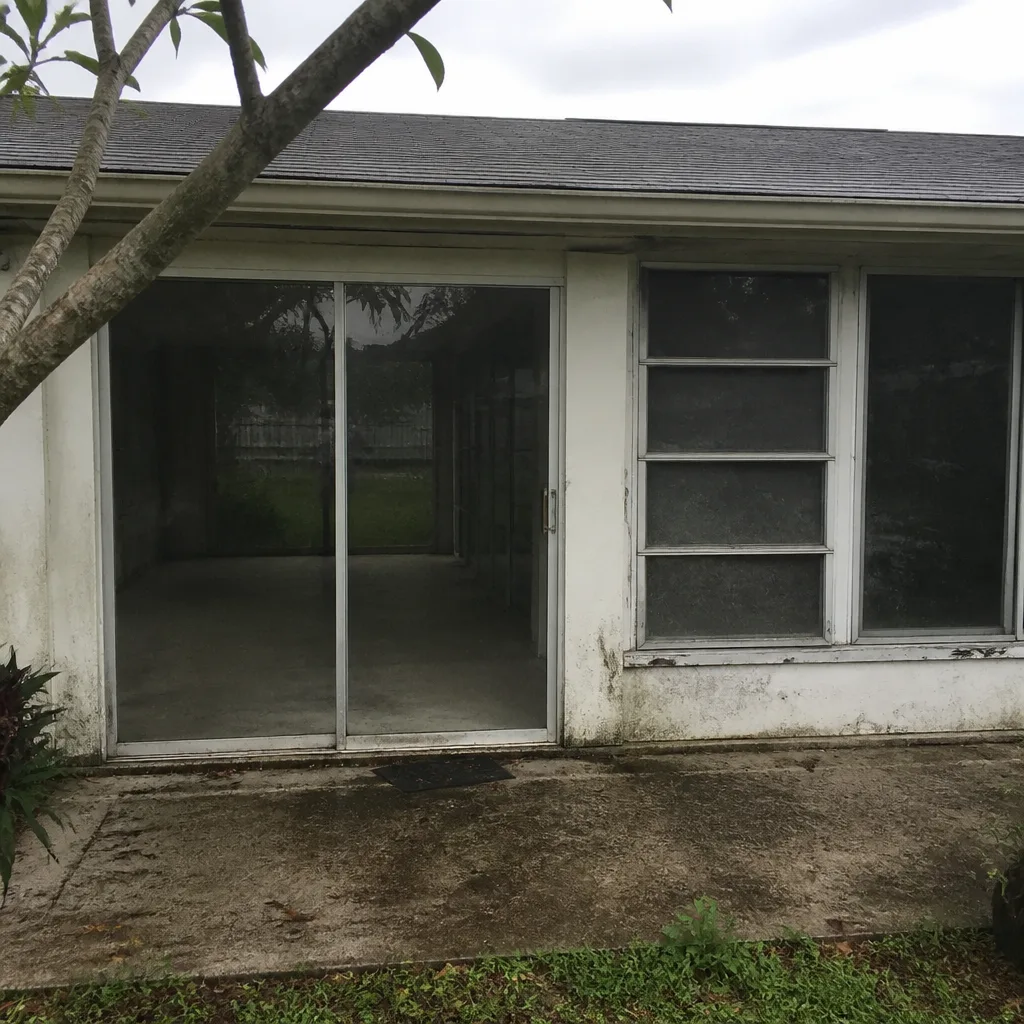 Before
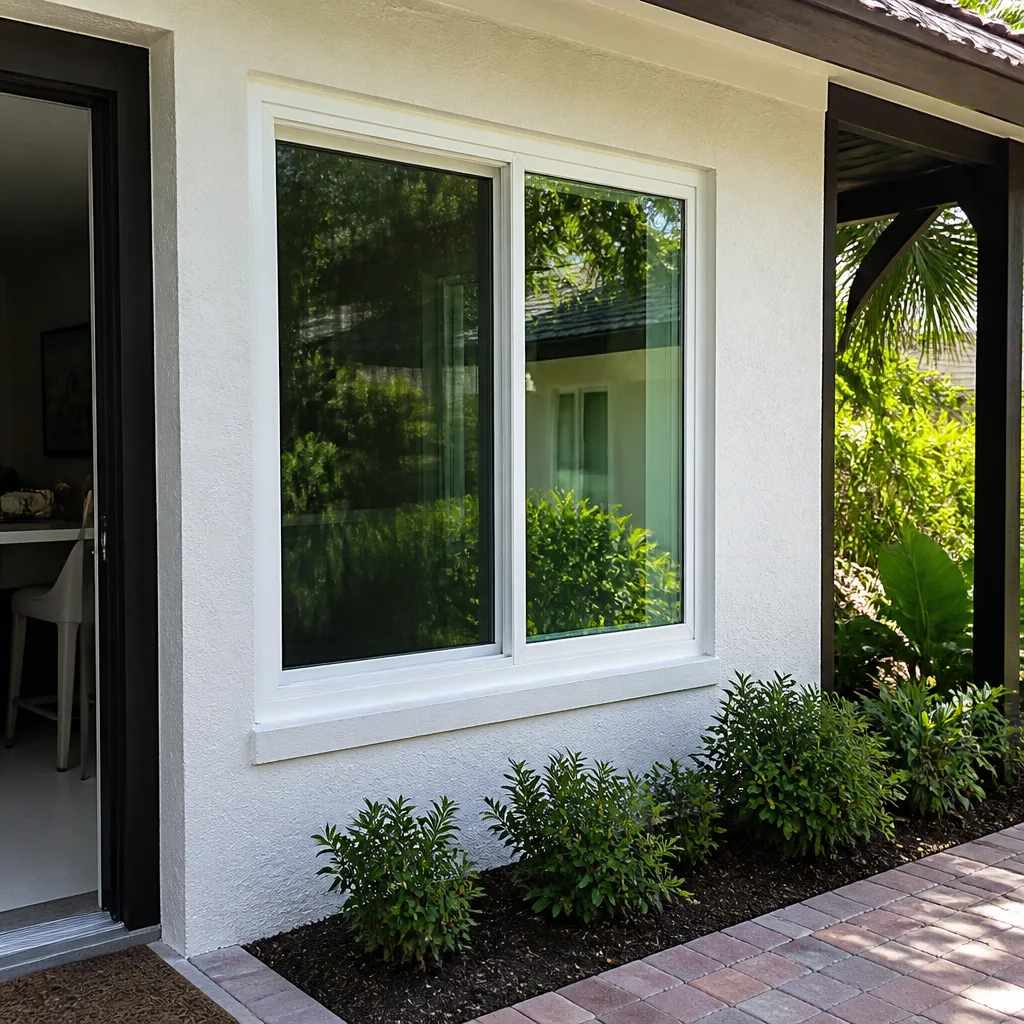 After
AfterDIY vs Professional Windows & Doors: The Westchester Homeowner’s Decision Guide
A homeowner in Westchester can physically install their own impact windows correctly and still have their insurance claim denied after a hurricane, because the permit was pulled under the wrong license category. That’s not a scare tactic; it’s how Florida Statute 489 and HVHZ product approval documentation actually work. This guide walks through the real legal, warranty, insurance, and cost math behind the DIY question, so you can decide with your eyes open rather than your fingers crossed. If you live in Westchester and you’re weighing a weekend project against a licensed install, everything below comes from what we’ve seen on real job sites here since 2011.
Quick Answer
For cosmetic and minor hardware work, a Westchester homeowner can absolutely DIY windows and doors safely and legally. For impact windows, exterior doors, or anything touching the building envelope in a High Velocity Hurricane Zone, Florida code, manufacturer warranties, and your homeowners insurance effectively require a licensed professional, and the cost of getting it wrong typically exceeds what you’d save on labor.
Table of Contents
- What Florida Statute 489 Actually Lets You Do
- Why the HVHZ Changes Everything for Westchester Homes
- What Manufacturer Warranties Say About DIY Installation
- The Insurance Policy Clause Most Homeowners Never Read
- Where DIY Is Genuinely Reasonable
- The Real Cost Comparison: Labor Savings vs. Failure Costs
- Common Mistakes to Avoid
- When to Call a Professional
- Frequently Asked Questions
What Florida Statute 489 Actually Lets You Do
Florida Statute 489, the state’s contracting licensing law, contains a homeowner exemption that many people cite and fewer people read. The exemption allows an owner to act as their own contractor on their own residence under specific conditions: the owner must appear on the deed, must personally appear to pull the permit, and must sign an affidavit stating they will either do the work themselves or directly supervise hired workers. On paper, that sounds like a blank check for DIY. In practice, in Westchester, it is not.
The exemption’s biggest gap is product approval documentation. For a permit to issue on an impact window or door installation in a High Velocity Hurricane Zone, Miami-Dade County requires submitted product approval drawings, engineering calculations, and an installation schedule tied to a specific product approval number. Those documents must match the exact make and model being installed. A homeowner can technically submit them. What a homeowner cannot easily do is source them correctly for the specific product line, because the approved installation method varies from one PGT window series to another, and from one CGI door model to the next. Pull the wrong NOA (Notice of Acceptance) and the permit gets rejected or, worse, issues incorrectly.
There’s also a workmanship liability issue. When a licensed contractor pulls a permit in Florida, the license carries insurance and a statutory warranty on the work. When a homeowner pulls an owner-builder permit, neither exists. If the installation fails, the homeowner is the warranty. We’ve met Westchester homeowners who completed beautiful-looking installs and only later discovered the permit was issued with an incorrect scope, which triggered a cascade of problems when they went to sell the property. The buyer’s inspector flagged the owner-builder permit on impact windows, the lender asked for a licensed engineer’s recertification, and the whole transaction stalled. A licensed window installation in Westchester avoids that entirely because the permit history is clean and the license is verifiable.
What a homeowner is genuinely allowed to do, and can do well, includes interior trim and casing replacement, weatherstripping replacement, door hardware like locksets and hinges, caulking and sealing that doesn’t involve removing the window or door, and repainting sash exteriors that don’t require glazing removal. None of those activities require a permit in most Westchester single-family homes, and none of them touch the structural or code-relevant parts of the assembly.
Why the HVHZ Changes Everything for Westchester Homes
Westchester sits inside Miami-Dade County’s High Velocity Hurricane Zone, the strictest wind code region in the country outside of coastal Florida’s panhandle. The HVHZ exists because of Hurricane Andrew in 1992, which flattened large portions of Miami-Dade and revealed that much of what was being installed as “hurricane protection” wasn’t protecting anyone. The aftermath produced a code regime that treats window and door openings as structural life-safety components, not as finished-carpentry items.
Here’s what that means for a DIY install, in concrete terms:
- Product approval is mandatory. Every exterior window, door, and skylight in Westchester must bear a Florida Product Approval or Miami-Dade NOA number. You cannot legally install a window from a big-box store if it doesn’t carry that approval, regardless of how good a carpenter you are.
- Installation must match approved details. The approval is not just for the product; it covers the installation method. Fastener size and spacing, anchor embedment depth, and sill flashing configuration are spelled out in the approval documents. Deviate and you’ve installed a non-code-compliant assembly.
- Inspections are structural. A window installation in Westchester typically requires at least one structural inspection before the opening is closed in. The inspector checks fasteners against the approval. They will fail a job for using the wrong screw, not just the wrong product.
- Wind-borne debris regions change inside the same zip code. Some parts of Westchester fall under stricter exposure categories than others, which changes what products qualify. What passed on a neighbor’s house two streets over may not pass on yours. A contractor checks the exposure classification on the permit set; a homeowner rarely does.
The practical upshot: the DIY skill ceiling is real but irrelevant if the documentation ceiling defeats you first. You can seat an impact window perfectly and still fail the inspection because you torqued a fastener to 30 inch-pounds when the approval called for 25, or because you used a fastener that’s corrosion-rated for inland exposure when the map says your street is within the salt-spray boundary. This is the exact failure mode we see when we’re called in to fix a botched owner-builder job, and it’s the reason impact windows in Westchester are one product category we never recommend as a first-time DIY.
What Manufacturer Warranties Say About DIY Installation
Most homeowners never read the warranty until something goes wrong, and by then it’s too late. PGT, CGI, and Therma-Tru all publish warranty documents that contain language about installation quality, and the provisions are stricter than the marketing brochures imply. This matters in Westchester because impact products carry long warranties, sometimes lifetime on the frame and glass, but the warranty is worthless if the installation method voids coverage.
Here’s what the typical PGT warranty says, in plain language: the warranty covers manufacturing defects in materials and workmanship of the product as manufactured. It does not cover damage resulting from improper installation. Critical detail: PGT’s warranty registration requires installer information at the time of sale. A homeowner-installed window can still be registered, but if a claim is filed and the manufacturer’s investigation finds the failure relates to installation, the claim is denied. You are now the de facto warranty provider for a $900 window.
CGI’s impact door and window warranty carries the same structure with an additional wrinkle: several CGI product lines are sold only through authorized dealers and distributors. A homeowner buying a CGI product at retail outside that network may void the warranty before the first screw goes in. Same with Therma-Tru exterior doors, where finish warranty terms require specific installation practices around sealing and overhang depth; some finish failures on Florida doors trace directly to insufficient top sealant, which the warranty specifically excludes.
Our experience from service calls around Westchester: a homeowner can’t know they’re out of conformity with warranty language until they read the installer requirements, and most never do. That’s not a judgment on their competence; it’s a statement about how dense warranty documents are. We’ve recovered situations where a homeowner had a legitimate glass defect but the manufacturer initially denied coverage because the original installation had no verifiable installer. The homeowner ate the cost. The lesson isn’t that products are bad; the lesson is that window replacement in Westchester should be done by someone who can document installation per the manufacturer’s own terms.
The Insurance Policy Clause Most Homeowners Never Read
Florida homeowners insurance operates on a set of interconnected wind mitigation incentives: install approved impact protection, get wind mitigation credits, pay lower premiums. A lot of Westchester homes carry a policy with a specific endorsement requiring that impact-resistant products be installed by a licensed contractor for the credit and the claim to count. This is the clause that turns a technically competent DIY install into a financial liability.
The mechanics of the problem work like this. During underwriting or renewal, an insurer applies wind mitigation credits based on documentation, usually a Uniform Mitigation Verification Inspection Form signed by a certified inspector. The form has sections that reference product approval numbers and, in some versions, the installing contractor’s license number. A homeowner-installed window may function identically to a contractor-installed window, but if the policy endorsement predicates coverage on licensed installation, the documentation gap is a coverage gap. To be clear: not every policy has this exact wording, and the homeowner needs to read their own policy. But in Miami-Dade, where insurance carriers are risk-averse after years of losses, such endorsements are common.
There’s a second, more straightforward issue: the four-point inspection. When a Westchester home is sold or re-insured, a four-point inspector evaluates the roof, electrical, plumbing, and HVAC, plus windows. A four-point inspector who sees owner-builder permits for impact windows may note them as a discrepancy if the installation looks nonconformant. Discrepancies on a four-point can prevent coverage being written or force a re-inspection. We’ve talked to more than one homeowner who saved $1,800 on DIY labor and spent $3,200 on an engineer’s recertification and repair before the insurance company would close the file.
None of this means every insurance policy in Florida works this way. It means homeowners should check the policy language before swinging a hammer on impact products. Our recommendation for anyone in Westchester considering the insurance angle: ask your agent directly, “Does this policy require licensed installation for impact products to receive wind mitigation credits or claims coverage?” Get the answer in writing. If the answer is yes, the DIY savings evaporate.
Where DIY Is Genuinely Reasonable
We’re not going to tell you everything requires a professional, because that’s not true. A thoughtful homeowner in Westchester can do a fair amount of window and door work themselves, and we encourage it where it makes sense-see our more guides & resources for additional help. The dividing line is simple: anything that removes, replaces, or modifies the structural opening itself is professional territory. Anything that maintains, adjusts, or cosmetically improves the existing opening without touching the waterproofing or structural fasteners is fair game.
Reasonable DIY projects for a Westchester homeowner include:
- Weatherstripping replacement. Door sweeps, jamb seals, and window sash weatherstrip wear out in Florida’s heat and humidity. Replacing them is low-risk, cheap, and genuinely improves energy performance.
- Door hardware swaps. Locksets, deadbolts, hinge replacement, and handle sets on doors that don’t involve cutting the slab. This is mechanical work, not structural.
- Interior casing and trim. Casing around the inside of windows and doors is fully DIY-able and doesn’t touch the exterior envelope. It’s also where a homeowner can add real visual character.
- Lubrication and cleaning. Rollers on sliding glass doors, hinges on French doors, and window tracks all benefit from routine maintenance that’s safe for anyone.
- Caulking and painting. Interior caulk and repainting of interior trim is fine. Exterior caulking of windows, if done carefully with the right sealant and without disturbing the flashing, is usually fine too.
- Screen repair. Replacing a screen frame or screen mesh is straightforward and has no code-implicit consequences.
What’s missing from that list? Removing an existing window and setting a new one, cutting a new opening, replacing a sliding glass door, installing an impact garage door, any work that removes the exterior cladding or flashing, and anything involving structural headers. Those are the professional-only items, not because a homeowner can’t learn the technique but because the documentation, code, and liability framework in Westchester makes DIY impossible to do with full protection. Where the line genuinely blurs, as with window and door maintenance around the exterior envelope, a quick phone call can clarify what’s safe to attempt.
The Real Cost Comparison: Labor Savings vs. Failure Costs
Let’s put hard numbers on the table, because decisions are easier with arithmetic. A typical single impact window replacement in Westchester runs $800 to $1,400 installed through a licensed contractor, with the labor portion somewhere around $250 to $450 per opening depending on size and access; for help finding one, read our How to Hire a Windows & Doors Contractor in Westchester: A Step-by-Step Guide. A homeowner doing it themselves saves the labor. On a ten-window job, that’s $2,500 to $4,500 in retained cash. That’s real money, and we respect why it’s tempting.
Now the failure side:
- Failed structural inspection with re-inspection fees: $150 to $400 per occurrence in Miami-Dade, plus the cost of any corrective work the inspector requires. We’ve seen a homeowner have to pull and reset a window because the fastener pattern didn’t match the approval, costing two full weekends and about $120 in new materials.
- Voided manufacturer warranty on a single PGT impact window: $800 to $1,200 to replace the unit at retail if a defect appears and installation is deemed the cause. That’s one window wiping out the savings on two or three.
- Insurance claim denial or coverage gap from undocumented installation: the full insured loss, which in a hurricane scenario isn’t the cost of one window but the cost of water intrusion remediation, interior rebuild, and contents damage. For a Westchester home with $350,000 in coverage, this is catastrophic rather than calculable.
- Owner-builder permit complications at resale: $1,500 to $5,000 in recertification, engineering, and legal fees when a buyer’s lender or inspector flags the installation history. We’ve seen this delay closings by 60 days.
- Time and tools for a first-time installer: setting windows properly requires a level of precision around flashing integration that takes most first-timers three to four times longer than a pro. Your labor has value too.
The honest version of the cost question is this: DIY savings are real on paper and can be zero or negative in practice, especially for impact products in an HVHZ. The math works out when the project is interior trim, hardware, or weatherseal. The math doesn’t work out when the project involves a structural opening that insurance, warranty, and code all track independently. That’s why our advice in Westchester is the same as what we’d tell a friend: spend your DIY energy where the risk floor is zero, and let a licensed contractor carry the risk on everything structural.
Common Mistakes to Avoid
- Assuming the owner-builder permit covers everything. Florida’s homeowner exemption is real but limited. Pulling a permit under the exemption and hiring an unlicensed worker to actually perform the install creates the exact legal exposure the exemption was designed to prevent. The owner must either do the work or directly supervise licensed help.
- Skipping the permit entirely. In Westchester, unpermitted window and door work eventually surfaces, usually at resale or re-insurance. The repair bill includes retroactive permits, inspection fees, and sometimes double the original work cost if the inspector requires reopening the installation.
- Buying unapproved impact products online. A “hurricane rated” window without a Florida Product Approval or Miami-Dade NOA cannot be legally installed in Westchester, regardless of what the seller’s listing says. We’ve seen homeowners buy from out-of-state suppliers who innocently sold a Texas-rated product with zero Florida paperwork.
- Installing over failing flashing. The single most common cause of window-related water intrusion in South Florida is compromised flashing that a homeowner didn’t recognize because the old window hid it. Setting a new window over bad flashing creates a slow leak that shows up months later as mold behind the drywall.
- Ignoring exposure classification. Your neighbor’s product approval may not apply to your house if your lot falls in a different wind exposure zone. The approval documents contain exposure maps. Skipping that check invalidates the entire installation.
- Registering the warranty without installer documentation. Even if a manufacturer allows registration without a contractor’s license, the claim process will ask for installation details. Missing records at claim time usually means denial, and the manufacturer’s investigation finds what it finds.
- Underestimating the consequences of a bad flashing detail on an impact door. Exterior doors in Westchester are exposed to wind-driven rain from a completely different angle than interior doors. The sill pan detail matters more in this climate than almost anywhere else in the country. A small error becomes a big repair.
When to Call a Professional
Call a licensed contractor for any work that removes an existing window or door, alters an opening, or touches the structural attachment. That includes all impact window and impact door installation, any sliding glass door replacement, any exterior door replacement that includes the frame, and any project requiring a permit. Also call a professional if your project is motivated by insurance concerns, if the home will be sold within five years, or if the existing installation shows signs of water intrusion. Getting the opening opened, assessed, and corrected by someone who has done this in Westchester specifically changes the outcome. Winslow Windows & Doors offers free estimates in Westchester, and you can reach us at (863) 251-5864 any hour; a real person answers.
Frequently Asked Questions
Technically yes, under the owner-builder exemption in Florida Statute 489, but the practical answer is that the product approval documentation, HVHZ code requirements, and insurance implications make it extremely difficult to do legally and protectively in Westchester. Most homeowners who complete the project find the paperwork burden outweighs the labor savings. Call (863) 251-5864 to talk through what your specific project would require.
A single impact window in Westchester typically runs $800 to $1,400 installed, depending on size, model, and whether the opening needs structural modification. Larger openings, second-story access, and custom sizes push the cost higher. The only way to get an exact figure is a site assessment, which is what our free estimates are for.
Not automatically, but warranty claims related to installation failures are routinely denied, and both manufacturers structure their installer documentation requirements so that a homeowner-installed product is difficult to fully register for warranty purposes. In our experience in Westchester, a DIY install on an impact product carries meaningful warranty risk regardless of installation skill.
It depends on your policy language. Many Florida policies carry endorsements requiring licensed installation for wind mitigation credits and claim eligibility on impact products. Check your policy or ask your agent directly. If the endorsement exists and you can’t document licensed installation, your claim could be denied even if the windows performed correctly.
Weatherstripping, door hardware, interior casing, lubrication, screen repair, and interior caulking are all reasonable homeowner projects that don’t require a permit and don’t touch the structural opening; for ongoing upkeep, follow our Impact Windows Maintenance Checklist for Westchester Homeowners. Anything that removes the window or door from the opening, or modifies the opening itself, falls on the professional side of the line.
For a typical single-family home, a complete impact window retrofit runs three to seven working days from start to final inspection, depending on the number of openings and whether any structural repair is needed. The permit process adds one to four weeks in Miami-Dade. The timeline for a specific job is part of the estimate we provide before any work begins.
The Bottom Line
The DIY-versus-professional question in Westchester isn’t really a question of skill. It’s a question of documentation, code compliance, warranty language, and insurance coverage, and those four forces all point toward licensed installation for anything structural. For the projects where DIY genuinely works, the risk is low and the savings stay saved. For impact windows, exterior doors, and any opening that has to survive a hurricane, the smart move is to let someone who does this work in Westchester handle it, with a license, a permit, and a warranty that means something. Ed Winslow, owner at Winslow Windows & Doors, serving Westchester since 2011.
Six Reasons Homeowners Choose Winslow Windows & Doors
Impact systems engineered to design pressures up to +/-100, matched to your wind zone - your openings hold when the storm arrives.
Low-E insulated impact glass from our manufacturer lines commonly cuts monthly cooling bills 20-30%.
Laminated impact glass shuts out up to 40% of outside noise - traffic, neighbors, weather.
Monitoring services run $30-90 a month. Laminated impact glass resists forced entry around the clock, with no subscription.
Florida homeowners average around 25% savings on the windstorm portion of their policy after protecting every opening - some homes qualify for more.
A full impact package upgrades curb appeal, buyer confidence and appraised value in one project.