
Last updated August 27, 2026
Free in-home measure and quote - PGT, CGI and CWS impact lines compared on your actual openings, style by style

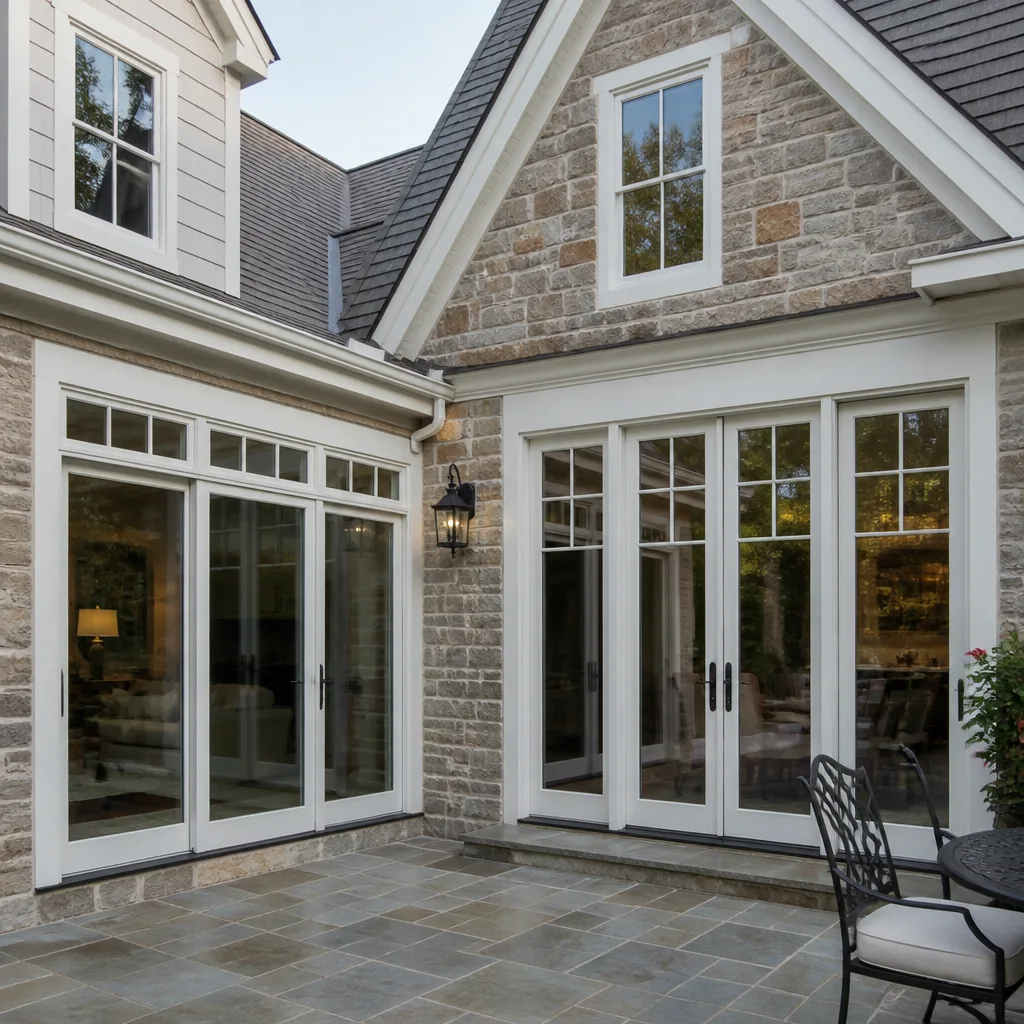
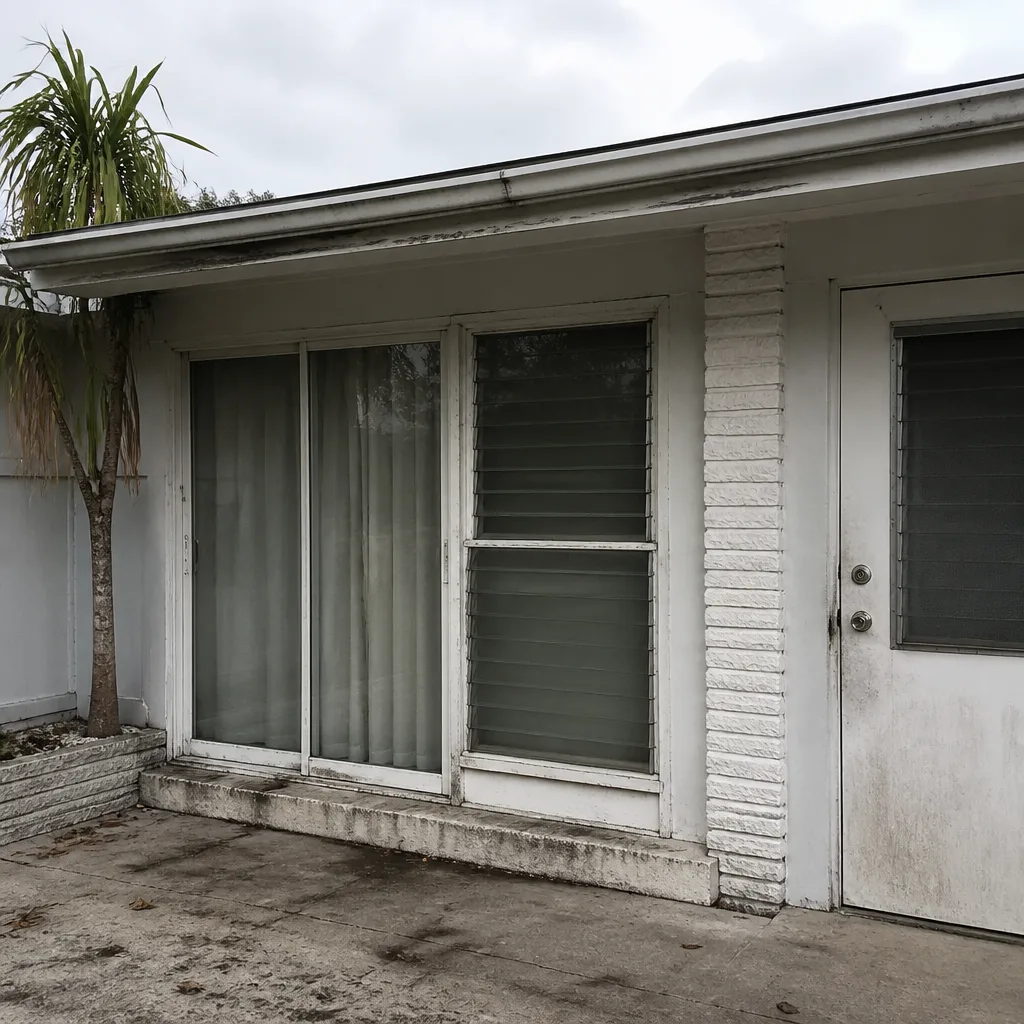 Before
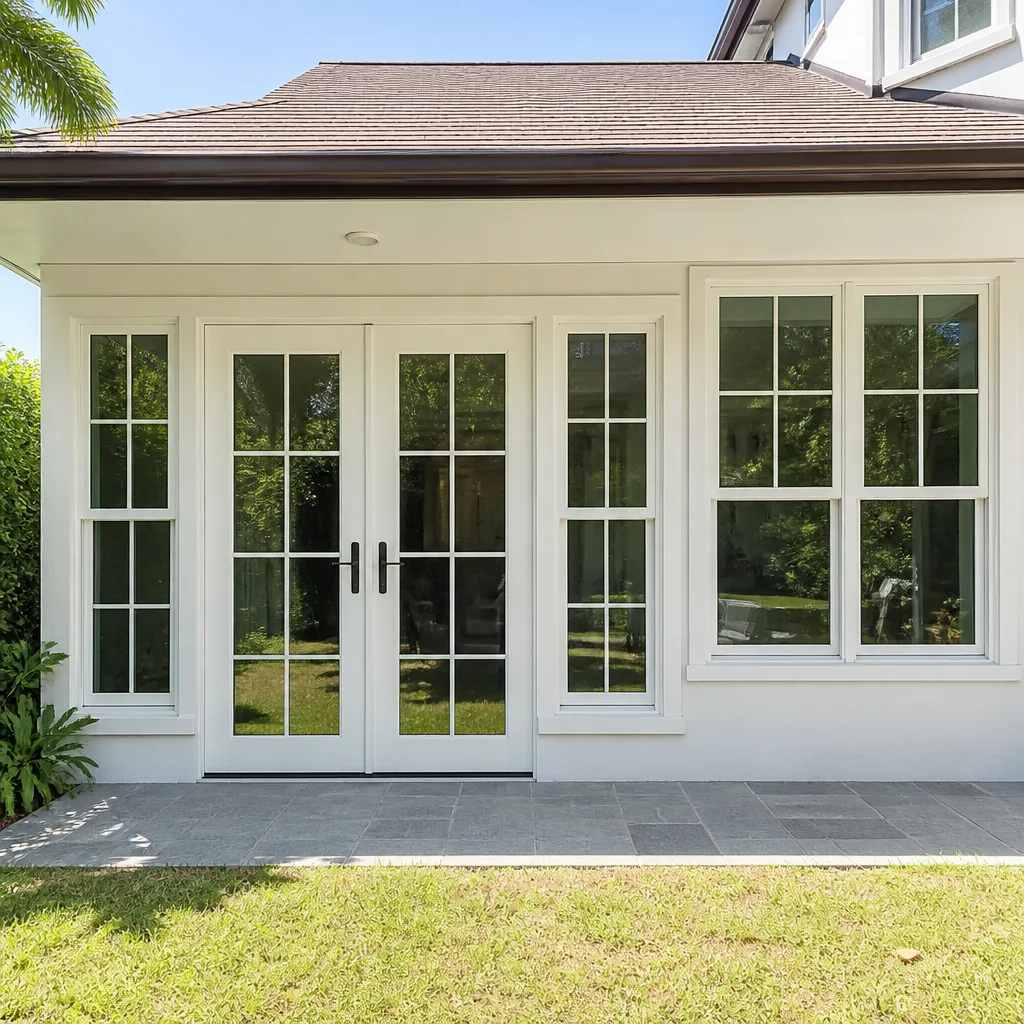 After
After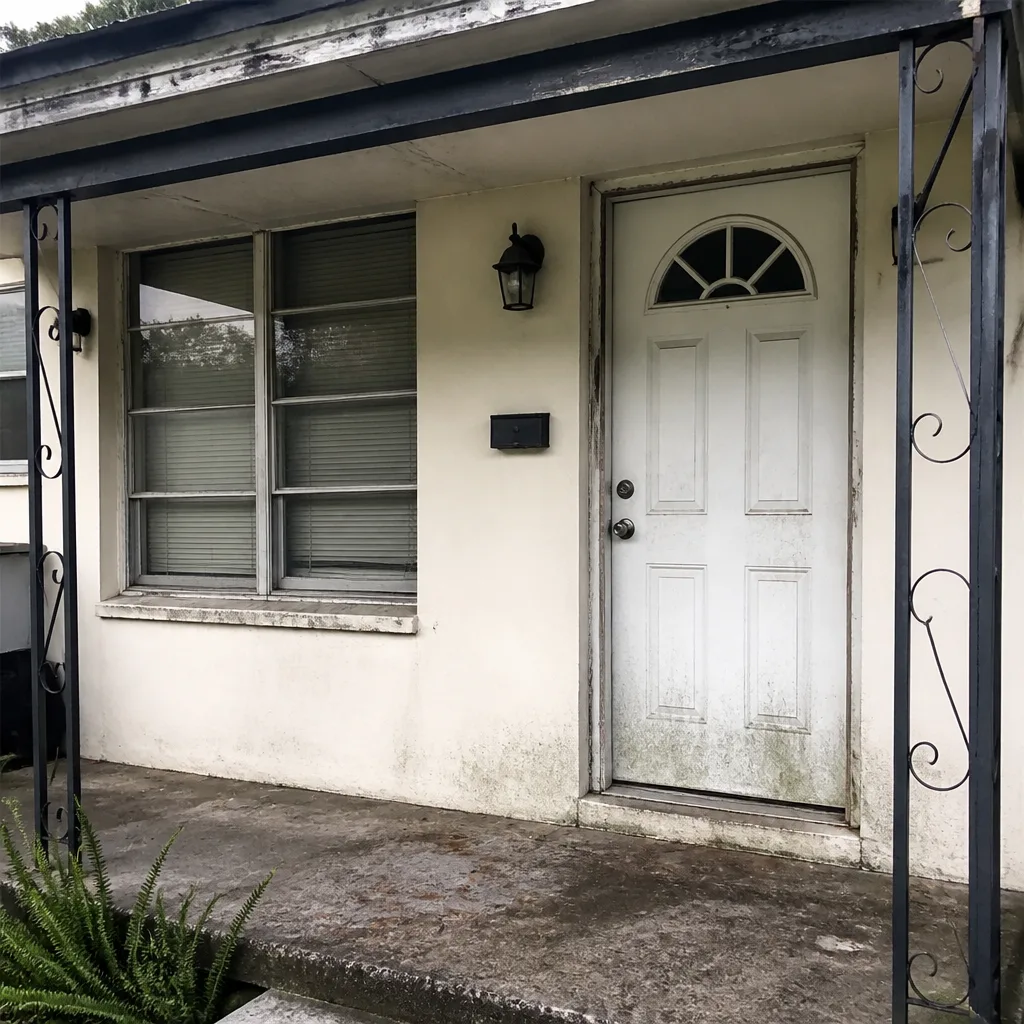 Before
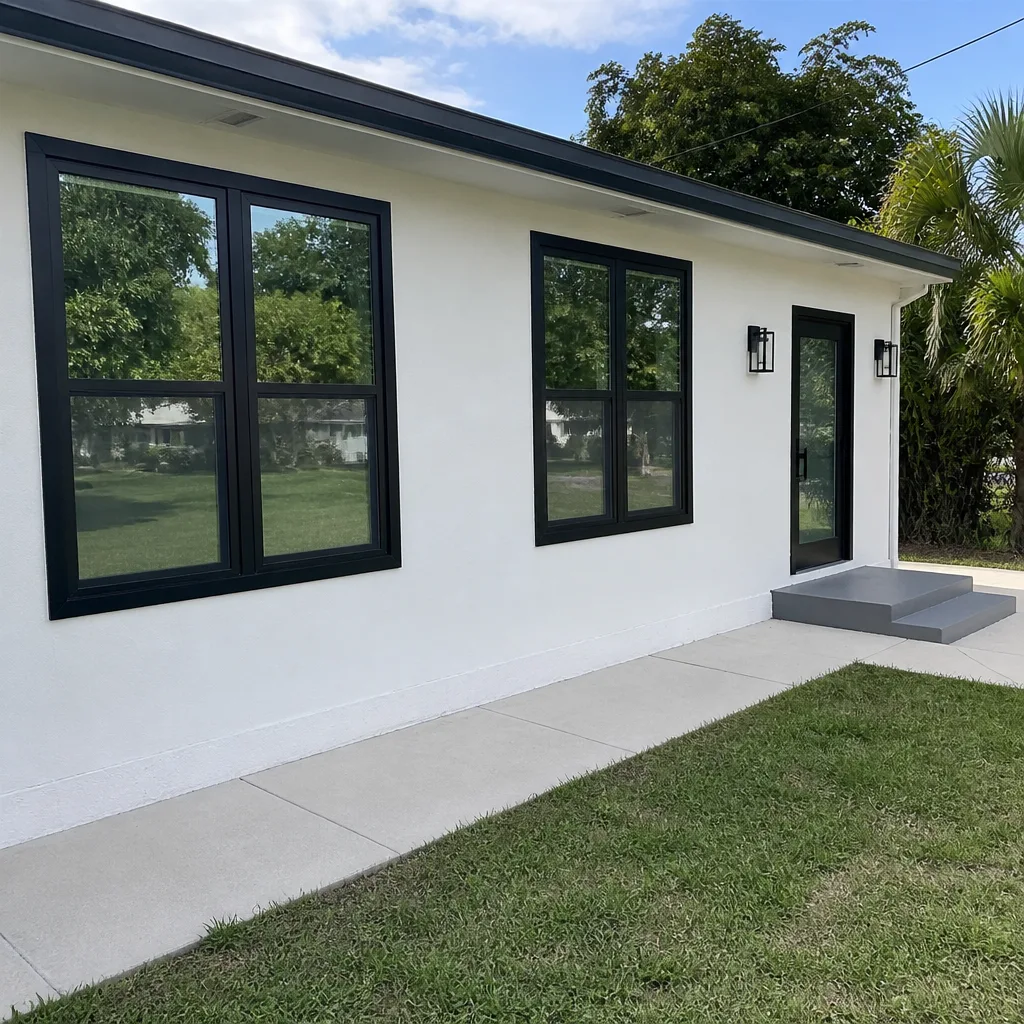 After
After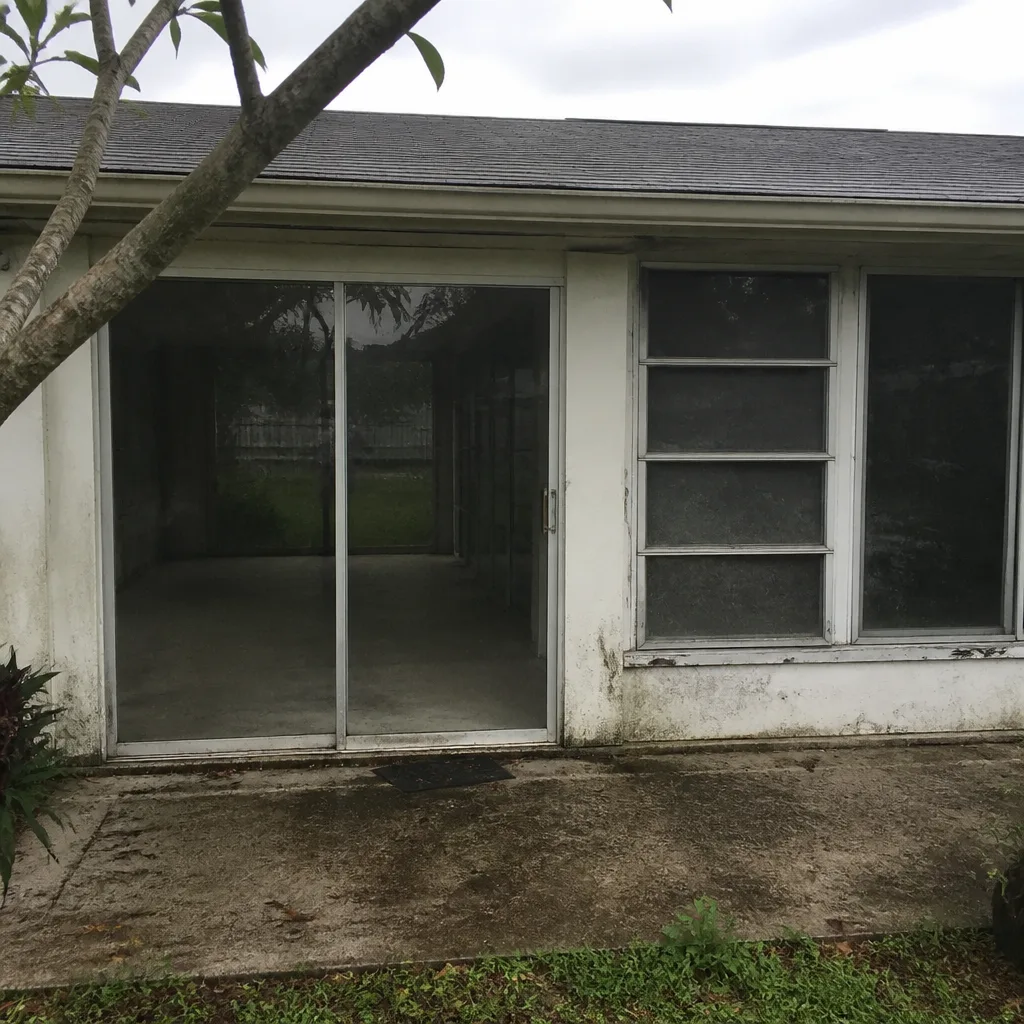 Before
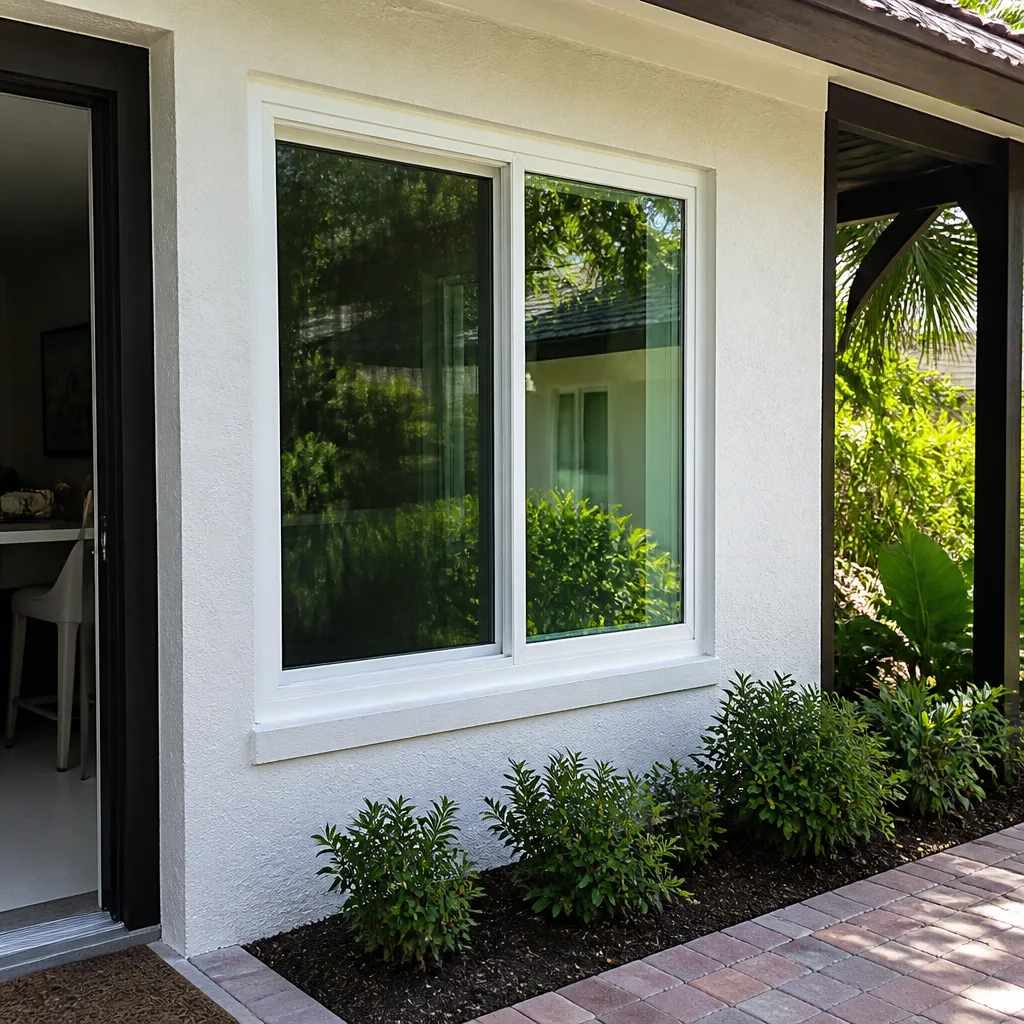 After
AfterSeasonal Windows & Doors Care for Westchester: Year-Round Homeowner’s Guide
Here’s the thing most window and door care guides get wrong about Westchester: they’re written for places with frost heave, falling leaves, and snow melt. Westchester doesn’t have four seasons. It has two. Hurricane season, and the season you use to recover from it and prepare for the next one. That reframing changes everything about how you maintain your home’s exterior. If you’re following a generic autumn-leaf checklist while your impact windows are slowly losing their seal against salt air, you’re preparing for the wrong threats. This guide restructures window and door maintenance around South Florida’s actual calendar, not a New England fantasy. We’ll walk through what to do in March before the June 1 panic, how to monitor your home through the active months, and the post-storm documentation process that protects your insurance claim. Whether you’re in a 1960s ranch near Miller Drive or a newer build further south in Westchester, this is the maintenance rhythm your house actually needs.
Quick Answer
The key to seasonal window and door care in Westchester, FL is to front-load your heavy maintenance into March through May, before hurricane season begins June 1. During the wet season, focus on monitoring for water intrusion and hardware stress. In the dry winter months, address what you found plus the unique low-humidity problems like dried weatherstripping and stiff hardware. Most homeowners discover problems during a storm when it’s too late to fix them. A March inspection catches those same issues with months of runway to repair them. For a detailed look at what to watch for, see our Windows & Doors Warning Signs: A Westchester Homeowner’s Reference Guide.
Table of Contents
- The Westchester Climate Reality: What Your Windows and Doors Actually Face
- March Through May: The Pre-Season Prep That Actually Matters
- June Through November: Active Season Monitoring Without Panic
- Storm Shutter and Impact Glass Prep: What Non-HVHZ Guides Skip
- Door Thresholds and Weatherstripping: Sealing Before the Rains Drive Water In
- December Through February: The Dry Season Problems Nobody Warns You About
- Post-Storm Documentation: What to Record Before You Clean Anything
- Common Mistakes to Avoid
- When to Call a Professional
- Frequently Asked Questions
- The Bottom Line
The Westchester Climate Reality: What Your Windows and Doors Actually Face
Westchester sits in one of the most demanding climates in the country for building exteriors. We’re in a High Velocity Hurricane Zone (HVHZ), which means building codes require impact-rated or protected openings on nearly every residential structure. That’s not bureaucratic overreach. It’s the honest acknowledgment that a Category 4 storm can turn an unprotected window into a wind-driven missile launcher in seconds.
But the hurricane threat, as dramatic as it is, isn’t what wears your windows and doors down year after year. The real grind is the daily combination of intense UV exposure, salt-laden air drifting in from the coast, and dramatic humidity swings between the wet and dry seasons. That salt air corrodes hardware. The UV bakes seals and caulking. And the humidity swings cause wood frames to expand and contract, aluminum to flex, and weatherstripping to alternately swell and crack.
Understanding this helps you see why a maintenance schedule built for Minneapolis misses the point here. We don’t need to worry about ice dams or frost damage. We need to worry about rubber gaskets drying out in February and failing in August. We need to monitor for salt corrosion on locking mechanisms. We need to inspect caulk lines for micro-cracks that only appear when the sun hits them at a certain angle. In our experience working on homes across Westchester for over 15 years, the homes that stay watertight during the worst storms are rarely the ones with the most expensive windows. They’re the ones where somebody paid attention every season.
March Through May: The Pre-Season Prep That Actually Matters
June 1 marks the official start of hurricane season. If that’s when you start thinking about your windows and doors, you’re already behind. Every contractor who touches building exteriors in Miami-Dade gets flooded with calls in late May. The smart homeowners, the ones we see sailing through storm season without water damage, start their inspections in March. Here’s the task sequence we recommend to every Westchester homeowner.
Step 1: Walk the perimeter with a critical eye. Start at your front door and work clockwise. Look at every window and door from the outside. You’re checking for visible gaps between the frame and the wall, cracked or peeling caulk, rust on hinges or tracks, and any glass that appears fogged or clouded. Fogged glass on a double-pane unit means the seal has failed and the window is no longer providing the insulation or impact protection you’re paying for.
Step 2: Test every operable window and door. Open and close each unit completely. A window that’s stiff now will be worse in August when humidity swells the frame. A sliding glass door that jumps its track once will do it again, and probably at the worst possible moment. Pay attention to the sound. Squealing or grinding on a sliding door usually means worn rollers, which is a straightforward fix in March and an emergency repair in September.
Step 3: Inspect weatherstripping and gaskets. Run your fingers along the rubber or vinyl stripping on door frames and window sashes. It should feel pliable, not stiff or crumbly. South Florida’s sun bakes this material hard. If you can see daylight around a closed door, or if you feel a draft when your AC is running on a spring day, the weatherstripping needs replacement. This is genuinely one of the most common issues we address in Winslow Windows & Doors home service calls across Westchester, and it’s a fix that pays for itself in energy savings rather quickly.
Step 4: Direct water at the exterior. Take a garden hose and run water over the top and sides of each window and door for about 30 seconds each. Have someone inside watching for drips. This simulates a heavy rain and catches leaks that only appear under sustained water contact. Do this before the rainy season gives you the real thing.
Step 5: Schedule any repairs immediately. Repairs booked in March or April happen on your schedule, with full parts availability, and typically at standard service pricing. Repairs booked in late May happen when everyone else’s window is also leaking. The math is simple, and we’ve watched homeowners learn it the hard way every single season.
June Through November: Active Season Monitoring Without Panic
Once hurricane season begins, your maintenance posture shifts from proactive to monitoring. The heavy work should be done. Now you’re watching for signs that something needs attention before the next storm forms. The Atlantic hurricane season runs through November 30, but for Westchester, the most active months are typically August through October.
Here’s what active season monitoring looks like in practice:
- After every heavy rain, do a 10-minute interior walk. Check the corners of each window and the baseboards below exterior doors. Dark spots, bubbling paint, or a musty smell means water is finding its way in somewhere. The sooner you catch it, the smaller the repair.
- Watch for condensation between glass panes. A sudden appearance of fog between double panes after a storm often means the impact glass unit has been compromised. You may not see a crack from outside, but the seal is gone and the window’s protective value is significantly reduced.
- Check that all locking hardware still engages fully. Impact windows and doors need to be locked to provide their rated protection. An unlocked or partially locked window is a vulnerability in a wind event. If a lock is sticky, clean and lubricate the mechanism with a dry silicone spray. If it won’t latch at all, that’s a call-worthy issue before the next watch goes up.
- Keep your tracks clean. Sliding doors in Westchester accumulate sand, dust, and fine debris remarkably fast during dry spells, and that grit wears down rollers during the wet season. Vacuum the tracks every month through the season, and wipe down with a damp cloth.
- Monitor your caulk lines. South Florida caulking fails from the outside in. Walk the exterior monthly and look for new cracks or separation, particularly around window perimeters and door thresholds. A tube of quality exterior caulk applied in June can prevent a four-figure water damage bill in September.
One thing we’ve learned doing impact window work across Westchester is that homeowners tend to overestimate how much their windows survived a storm just because the glass didn’t shatter. Impact glass can take a significant hit, hold together as designed, and still have its internal seal broken. The glass did its job. It protected your home. But it needs to be evaluated and possibly replaced before the next storm event, because a compromised unit won’t perform the same way twice.
Storm Shutter and Impact Glass Prep: What Non-HVHZ Guides Skip
Most seasonal window care guides are written for markets where “storm prep” means closing the windows and hoping for the best. Westchester is a High Velocity Hurricane Zone, and that changes what preparation actually requires. If you’re unsure about permit requirements for upgrades, read Windows & Doors Permits, Codes & Inspections in FL: What You Need to Know. Whether you have impact glass, accordion shutters, roll-down shutters, or panel shutters, your prep steps are specific and time-sensitive.
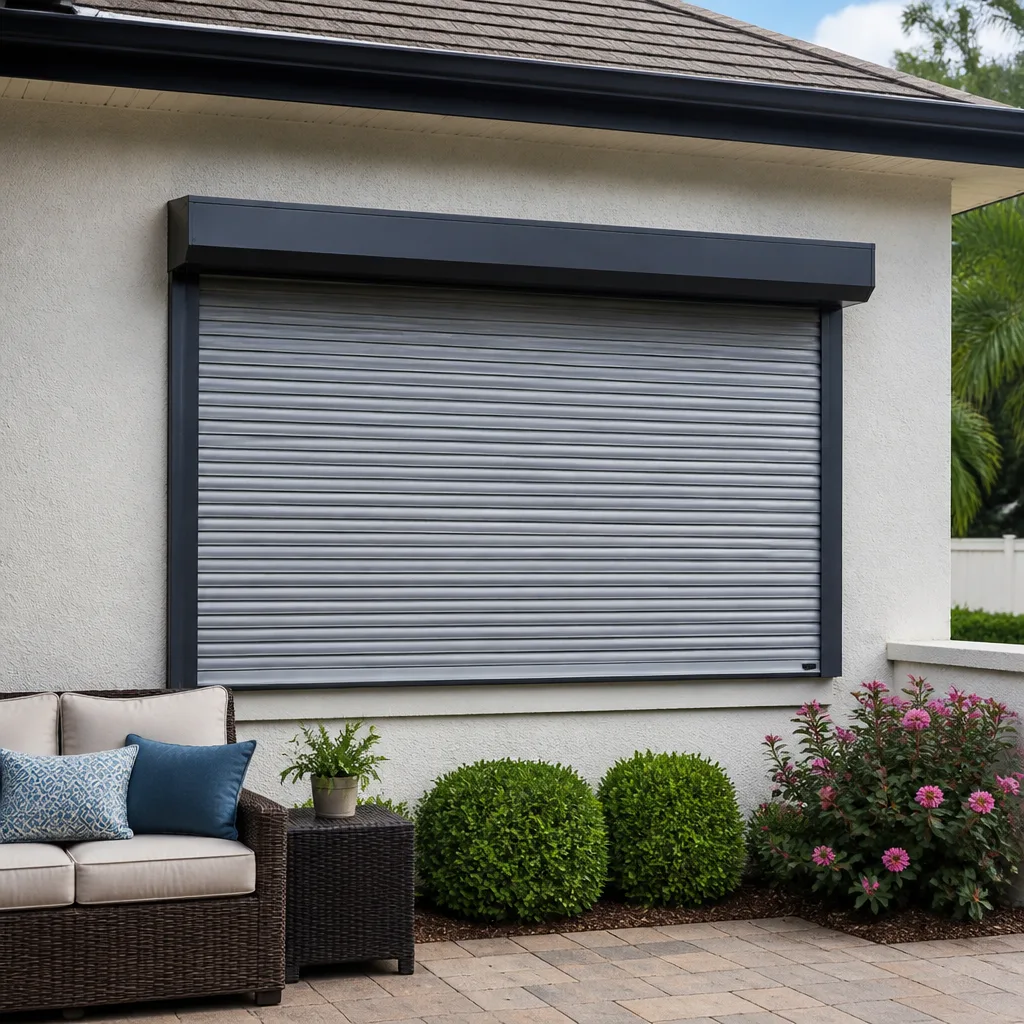
- Test your shutter systems every March, not in a storm watch. Accordion shutters need their tracks lubed and their locking pins exercised. Roll-down shutters need their motors and manual override tested. Panel shutters have permanent mounting tracks, and each panel should be test-fitted annually to make sure the hardware still aligns. Finding out a mounting bolt has corroded away at 48 hours before landfall is a preventable emergency.
- Check impact glass for visible delamination or edge damage. Impact glass is laminated, which means it has a plastic interlayer bonded between glass panes. In older units, this lamination can begin to separate at the edges, a condition called delamination. You’ll see a milky or cloudy appearance around the perimeter. A delaminated unit will not provide full rated protection and should be reviewed by a professional.
- Confirm your impact garage door is actually operating correctly. Many Westchester homes have impact garage doors, which are a major structural vulnerability if compromised. Test the door’s balance by disconnecting the opener and lifting manually. It should lift smoothly and hold halfway open. Check the struts and reinforcement on the inside panel. Any loose or rusting hardware needs attention now.
- Verify your wind mitigation documentation is current. If you’ve upgraded to impact glass or installed new doors in the past year, make sure your insurance provider has the documentation. A wind mitigation inspection that reflects your home’s current state can save you real money on premiums, but only if the paperwork is on file before a claim happens.
We install PGT and CGI impact products in Westchester regularly, and one of the patterns we notice is that homeowners who bought impact windows 15 years ago sometimes assume they’re still performing at original spec. Impact glass and the frames around it age. Seals degrade. Hardware corrodes. If your impact windows are more than a decade old and haven’t been professionally evaluated, a pre-season review is a reasonable protective step, and it costs less than you might think.
Door Thresholds and Weatherstripping: Sealing Before the Rains Drive Water In
Entry doors and sliding doors are the most common water intrusion points in Westchester homes, and the threshold is usually the culprit. Thresholds get walked on, scraped by furniture, baked by the sun, and flooded by afternoon thunderstorms. The gaskets and sweeps that create the watertight seal at the bottom of a door have a working life, and it’s shorter than most homeowners expect in our climate.
The first thing to understand is that door sweeps and threshold gaskets are designed to be replaced. They are wear items, like brake pads or windshield wipers. If you can slide a piece of paper under a closed door without resistance, that’s a failure of the sweep. If you can see daylight under the door from inside, that’s a failing threshold seal and an open invitation to water, insects, and conditioned air loss. During the pre-rainy-season months in Westchester, we recommend checking every exterior door this way.
Sliding glass doors have their own threshold issues. The track collects water during driving rain and must drain out through weep holes that run to the exterior. These weep holes get clogged with sand, insects, and debris. When they can’t drain, the water backs up and finds its way under the track and into the subfloor. You won’t see standing water. You’ll see dark staining at the baseboard near the door, or you’ll smell mustiness that comes and goes with rainfall. If you have a sliding door that’s more than five years old and you’ve never cleaned the weep holes, do it this month. A pipe cleaner or a small wire brush does the job quickly. This is the kind of maintenance that costs nothing and prevents floor damage that costs thousands.
For homeowners considering door replacement as part of their long-term plan, brands like Therma-Tru offer engineered thresholds and multi-point locking systems that create a dramatically better seal than older doors. If your door is original to a home built in the 1980s or earlier, the difference a modern, properly installed door makes in both water resistance and energy efficiency is substantial. We’ve helped many Westchester homeowners make that transition through our window and door installation services, and the before-and-after difference in interior comfort is consistently the thing they comment on first.
December Through February: The Dry Season Problems Nobody Warns You About
When the rains stop and the humidity drops, Westchester homeowners tend to exhale. The threat feels like it’s passed. But the dry season creates its own set of window and door problems, and they’re different from what the wet season brings. Understanding the difference helps you address issues in the right order and with the right materials.
The most common dry-season issue is stiff or brittle weatherstripping and gaskets. The same rubber compounds that swell in the wet season will dry out and shrink when humidity drops into the 30s and 40s. You may notice doors that were tight in August now have a slight rattle. Windows that sealed fine in the summer show hairline gaps. This is normal material behavior in South Florida’s dry season, and it’s why we recommend checking weatherstripping twice a year rather than once. Seals that fail in the dry season need to be evaluated seriously, because when the rains return, those gaps become water intrusion points.
Hardware also behaves differently in the dry months. Hinges that never made a sound all summer can start squeaking. Locks that turned smoothly can get stiff. The solution is usually simple lubrication, but it needs to be the right product. Use a dry silicone spray or a product specifically formulated for use outdoors in high-UV environments. Avoid petroleum-based lubricants, which attract dust and gum up in heat. A little maintenance now saves you from replacing corroded hardware later.
The dry season is also the ideal time in Westchester to schedule window and door replacement work. Construction and installation proceed more smoothly because there’s less moisture in the air, which means adhesives cure properly and materials aren’t being installed while wet. If you’ve been thinking about replacing aging windows or doors, the months before the next hurricane season are when you want the work done. Homes we’ve worked on in window replacement projects across Westchester benefit most when the installation happens before the next storm cycle begins, giving new materials time to settle and seal under dry conditions.
Post-Storm Documentation: What to Record Before You Clean Anything
If a storm has passed over Westchester and your home took any kind of hit - even something that looks minor - your first instinct will be to start cleaning up. Resist that instinct long enough to do one thing first: document everything. The sequence matters, and it can make the difference between a smooth insurance claim and a contested one.
Here’s the post-storm documentation process we recommend, developed from years of helping Westchester homeowners navigate exactly this scenario:
- Photograph the exterior before touching anything. Start at the street and walk the entire home, taking photos and video. Capture every window and door, the roofline, the garage door, and any debris in the yard. Even areas that look undamaged should be documented, because pre-existing damage claims often hinge on what the condition looked like immediately after the event.
- Photograph the interior at every opening. Take photos of every window and door from inside, showing the surrounding wall, floor, and trim. If there’s water staining, document its size and location before you dry or clean it. Use a measuring tape in the photo to establish scale.
- Record the timeline. Write down when the storm hit, when you first noticed any damage, and what you did in response. Insurance adjusters look for consistency between reported timelines and documented evidence. A simple notes file on your phone with timestamps is sufficient.
- Save storm data. Note the name of the storm, the date, and any official wind speed measurements reported for our area. This establishes the environmental context for any damage claims.
- Get a professional evaluation before making permanent repairs. A qualified contractor can assess whether damage is cosmetic or structural, and their written opinion carries weight with insurance carriers. Temporary mitigation that prevents further damage is fine and often encouraged, such as tarping a broken window or drying a wet area. But permanent repairs should wait until the claim is handled and you have professional documentation of what was damaged.
A note about impact glass specifically: if an impact window takes a debris hit and the glass shatters but holds, that’s a successful test of the product. But a shattered impact window needs to be replaced, and that replacement should be documented as storm-related damage for insurance purposes. The replacement cost of a quality impact window from brands like PGT or ES Windows is significant enough that you want your claim to be clean and well-supported.
Common Mistakes to Avoid
- Waiting until a storm watch to test your shutters or impact systems. If something fails during a pre-storm test, you have hours to fix it, not weeks. March is the only month to discover problems if you want them fixed on your terms.
- Ignoring fogged or cloudy glass. Condensation between glass panes isn’t a cosmetic issue. It means the seal has failed and the window is no longer providing rated protection or energy efficiency. In Westchester’s climate, a failed seal degrades faster than in milder markets, and ignoring it means replacing a more expensive unit later.
- Using the wrong products on hardware and seals. Petroleum-based lubricants collect dust and degrade rubber. Household cleaners with ammonia damage window glazing and vinyl frames. Read labels, and when in doubt, use a product specifically formulated for door and window hardware.
- Skipping the weep hole maintenance on sliding doors. That tiny channel at the bottom of your sliding glass door track is the only thing standing between pooled rainwater and your subfloor. It clogs silently and floods suddenly.
- Doing your post-storm cleanup before your documentation. Once you clean, dry, and remove evidence, you’ve weakened your own insurance claim. Photograph first. Always.
- Assuming new windows don’t need inspection. New installations have an adjustment period. Caulking can shrink as it cures. Hardware can settle. A professional inspection a year after installation catches small issues before they become warranty claims.
When to Call a Professional
Some window and door maintenance is genuinely DIY. Lubricating hinges, cleaning tracks, testing weatherstripping, and clearing weep holes are all things a careful homeowner can handle. But when you find real damage - a cracked frame, failing impact glass, a door that no longer seals against the threshold, water staining that recurs after rain - it’s time for a trained eye. Impact windows and doors have specific engineering requirements, and temporary fixes that mask damage can leave your home vulnerable in the next storm. Winslow Windows & Doors offers free estimates in Westchester, and Ed Winslow’s name is on every job we do. Call (863) 251-5864 if you find something during your seasonal inspection that warrants a professional opinion. We’ll give you an honest answer about what needs fixing, what can wait, and what it should cost. No pressure, no vague estimates. Upfront pricing, no surprises on the invoice.
Frequently Asked Questions
March. That gives you a full 60 to 90 days before June 1 to identify issues, order parts, and schedule repairs without the pre-season rush. By late May, every qualified contractor in Westchester is booked solid, and parts lead times stretch. Starting in March means your fixes happen on your schedule at standard pricing. Call (863) 251-5864 to schedule your pre-season inspection while availability is still flexible.
In Westchester’s climate, exterior weatherstripping typically lasts 3 to 5 years before UV exposure and humidity cycling degrade it. Check it twice a year: once in spring before the wet season and once in fall after the heat of summer. If it feels stiff, shows cracks, or lets daylight through a closed door, replace it sooner. Replacement weatherstripping is inexpensive compared to the water damage a failed seal can cause.
No. Impact windows need the same seasonal inspection as any other window, plus attention to specific issues like delamination, seal integrity, and proper locking hardware engagement. Impact glass is a system - the glass, the frame, the hardware, and the installation all work together. Any component degrading reduces overall protection. A professional evaluation every 3 to 5 years is reasonable for homes with aging impact windows.
Document everything before cleaning anything. Photograph the exterior and interior of every window and door, note the storm name and date, and record any visible damage with measuring tape for scale in the photos. Then get a professional evaluation before making permanent repairs. Temporary mitigation like tarping is fine, but hold off on replacements until your insurance claim is established. For an assessment after a storm, call (863) 251-5864.
Humidity causes frame materials to expand, and in Westchester’s wet season, that expansion can make tracks bind and doors stick. The rollers may also be clogged with grit and debris carried by summer rains. Clean the track, lubricate the rollers with a dry silicone spray, and if the problem persists, the rollers themselves may be worn and need replacement. This is a common issue we address in homes throughout Westchester.
Basic weatherstripping replacement on a standard window or door is manageable for a careful DIYer. But on impact-rated windows, some weatherstripping is integrated into the frame design, and improper replacement can affect the unit’s rating. If you’re unsure whether your windows have standard or integrated seals, a professional evaluation is the safer path. Estimates are free, so it costs nothing to get a second opinion.
The Bottom Line
Westchester gives homeowners a clear maintenance rhythm if they pay attention: prepare in spring, monitor through summer and fall, and repair in winter. The homes that stay dry, hold their energy efficiency, and survive storms with minimal damage are the ones where somebody walks the perimeter twice a year and acts on what they find. Your windows and doors are engineered systems with wearable parts, and in a High Velocity Hurricane Zone, those parts are doing more than keeping out rain. They’re protecting the structural integrity of your home. Whether you need impact windows, door replacement, or just an honest assessment of what you already have, we’re the one down the road. For more guides & resources on protecting your home, visit our blog. Winslow Windows & Doors has been serving Westchester since 2011, and Ed Winslow’s name is on every job we do. Call (863) 251-5864 for your free estimate.
Written by Ed Winslow, Owner at Winslow Windows & Doors, serving Westchester since 2011.
Six Reasons Homeowners Choose Winslow Windows & Doors
Impact systems engineered to design pressures up to +/-100, matched to your wind zone - your openings hold when the storm arrives.
Low-E insulated impact glass from our manufacturer lines commonly cuts monthly cooling bills 20-30%.
Laminated impact glass shuts out up to 40% of outside noise - traffic, neighbors, weather.
Monitoring services run $30-90 a month. Laminated impact glass resists forced entry around the clock, with no subscription.
Florida homeowners average around 25% savings on the windstorm portion of their policy after protecting every opening - some homes qualify for more.
A full impact package upgrades curb appeal, buyer confidence and appraised value in one project.