
Last updated August 27, 2026
Free in-home measure and quote - PGT, CGI and CWS impact lines compared on your actual openings, style by style
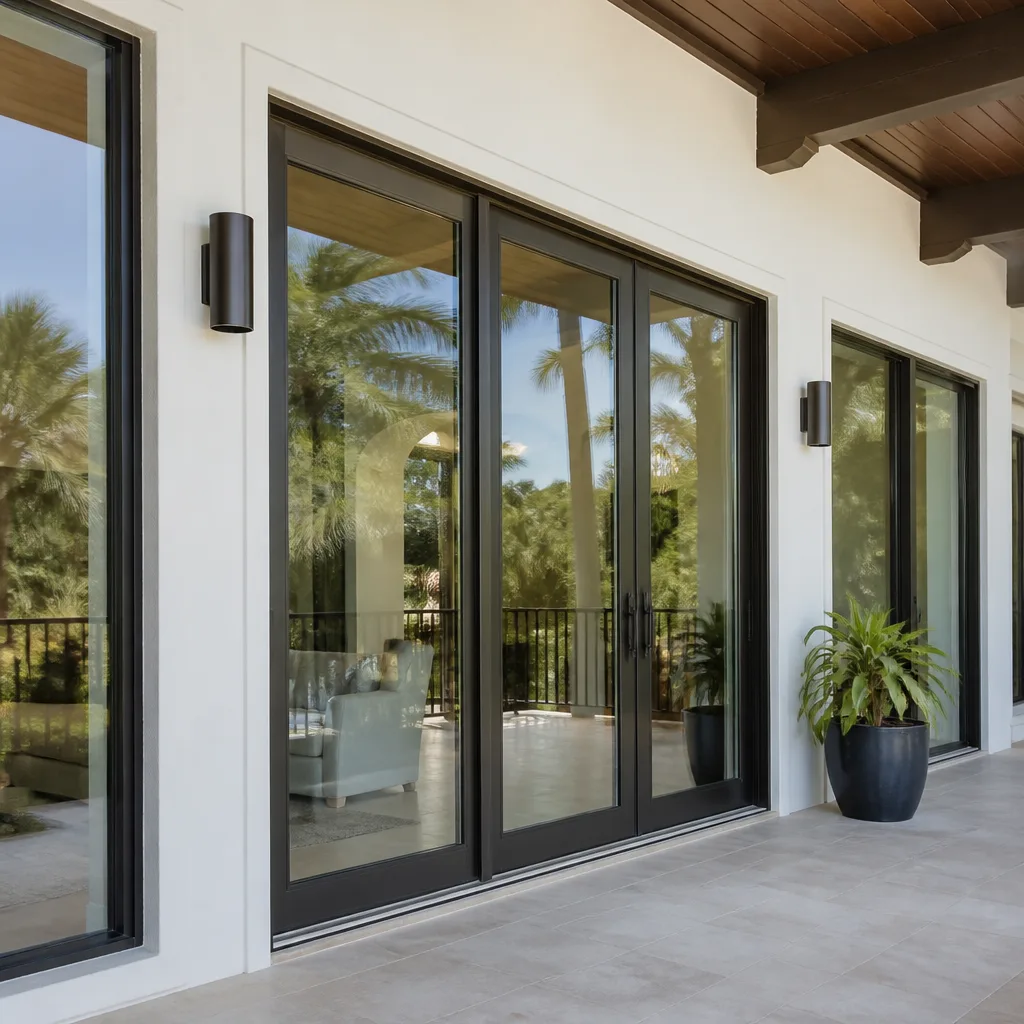
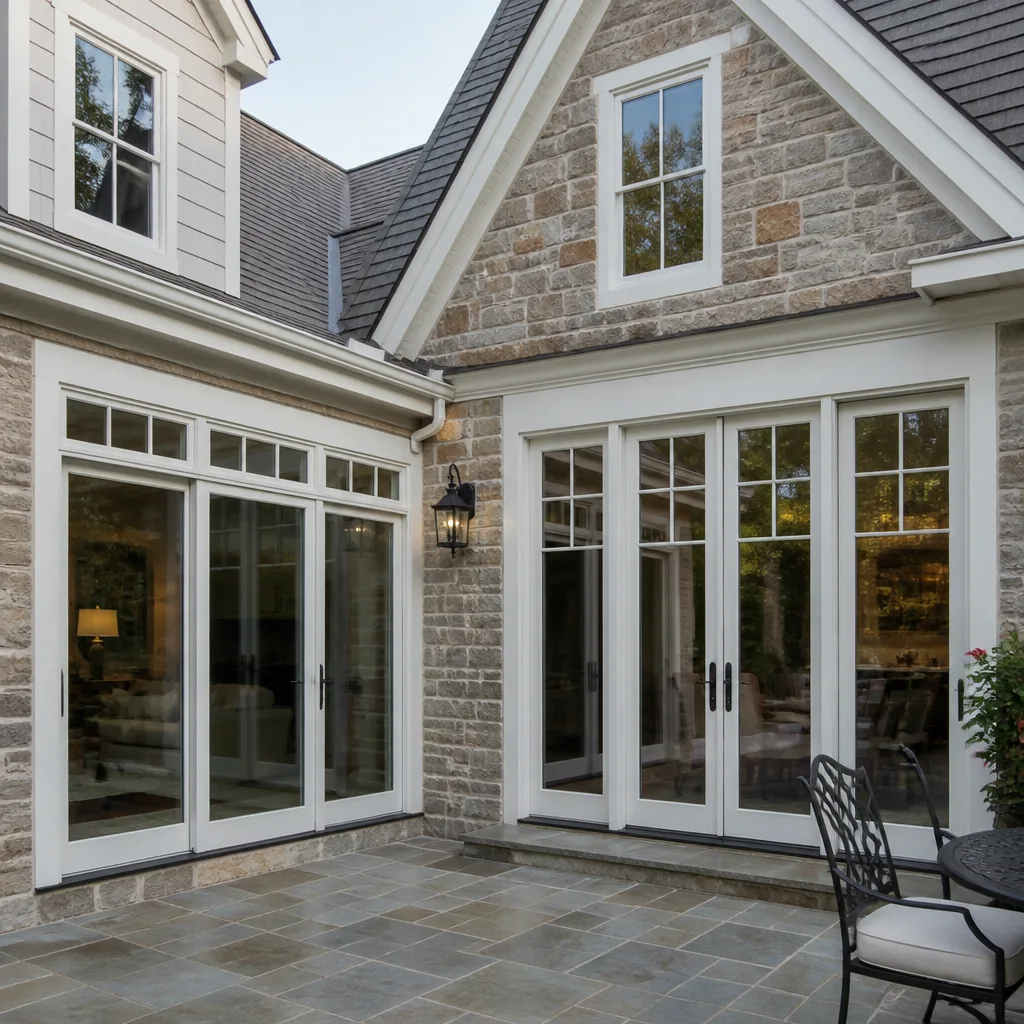
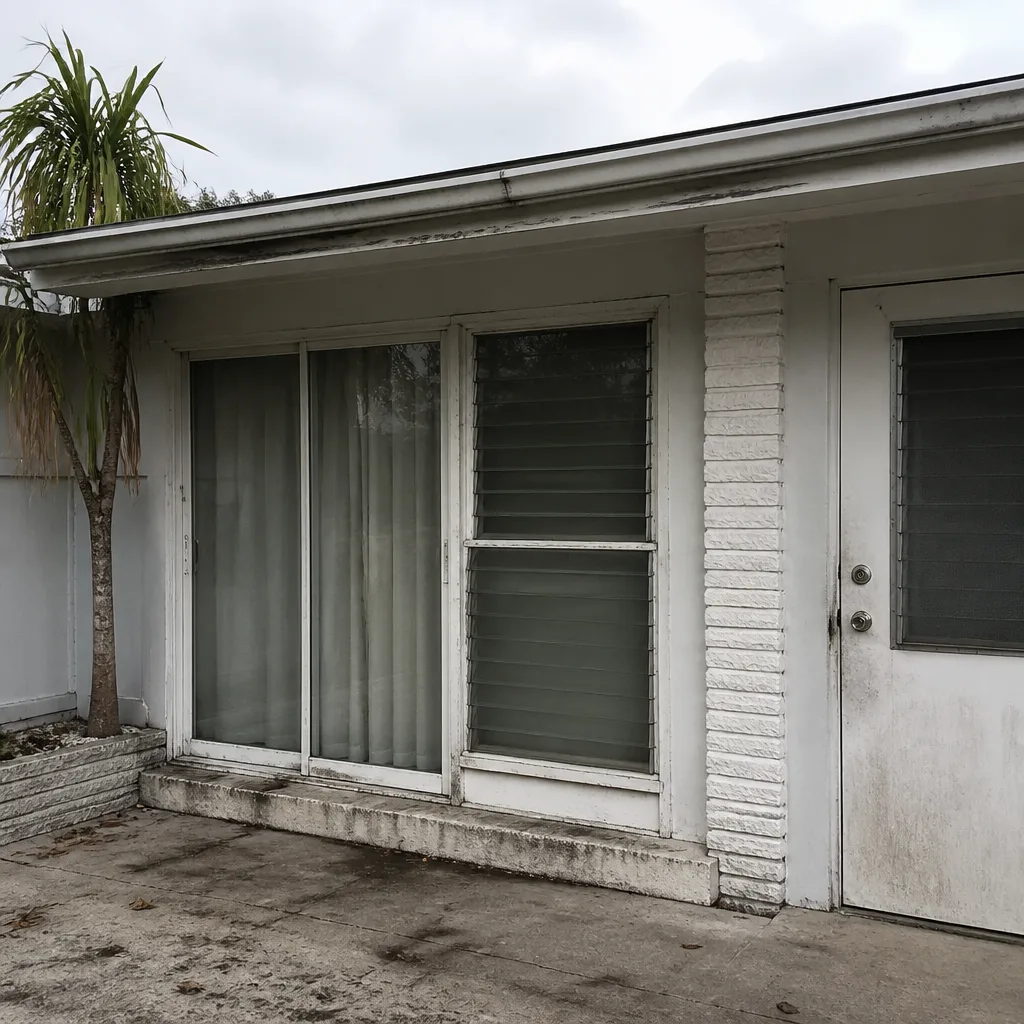 Before
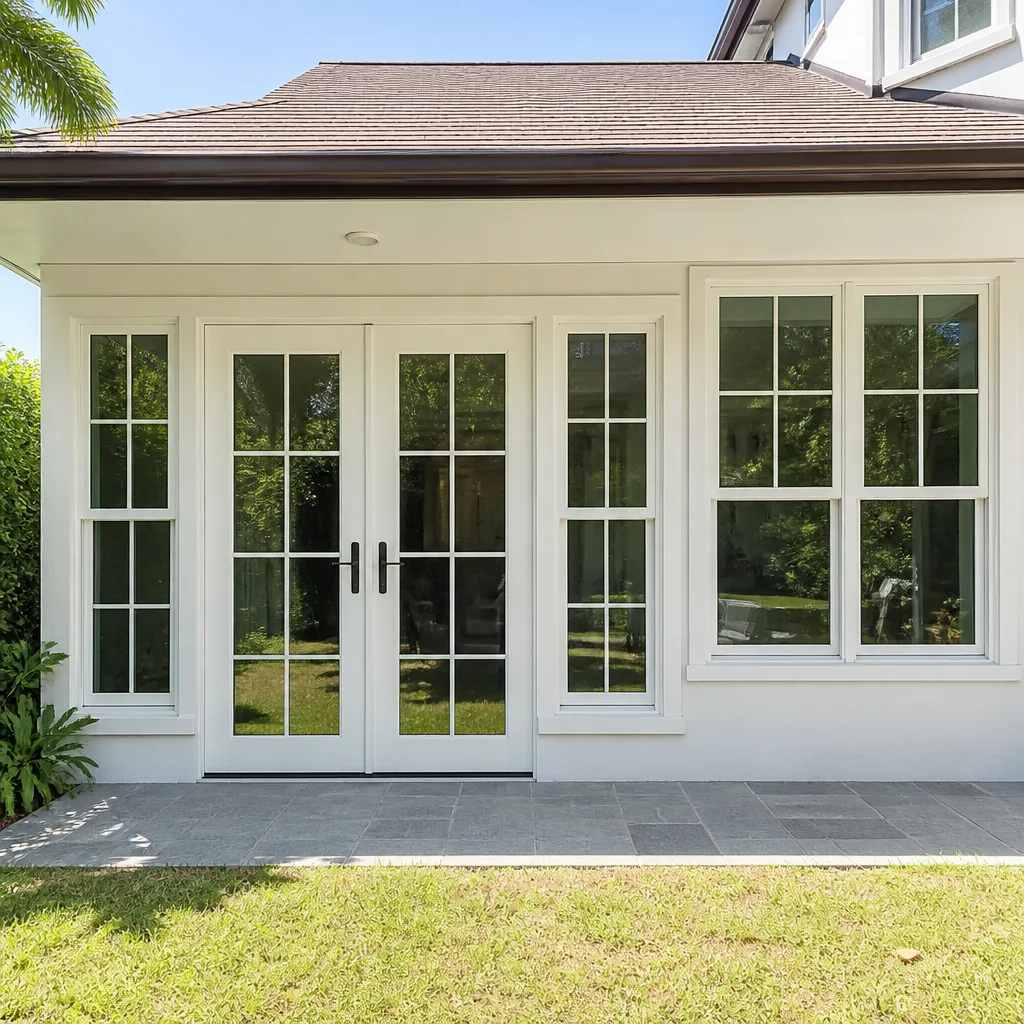 After
After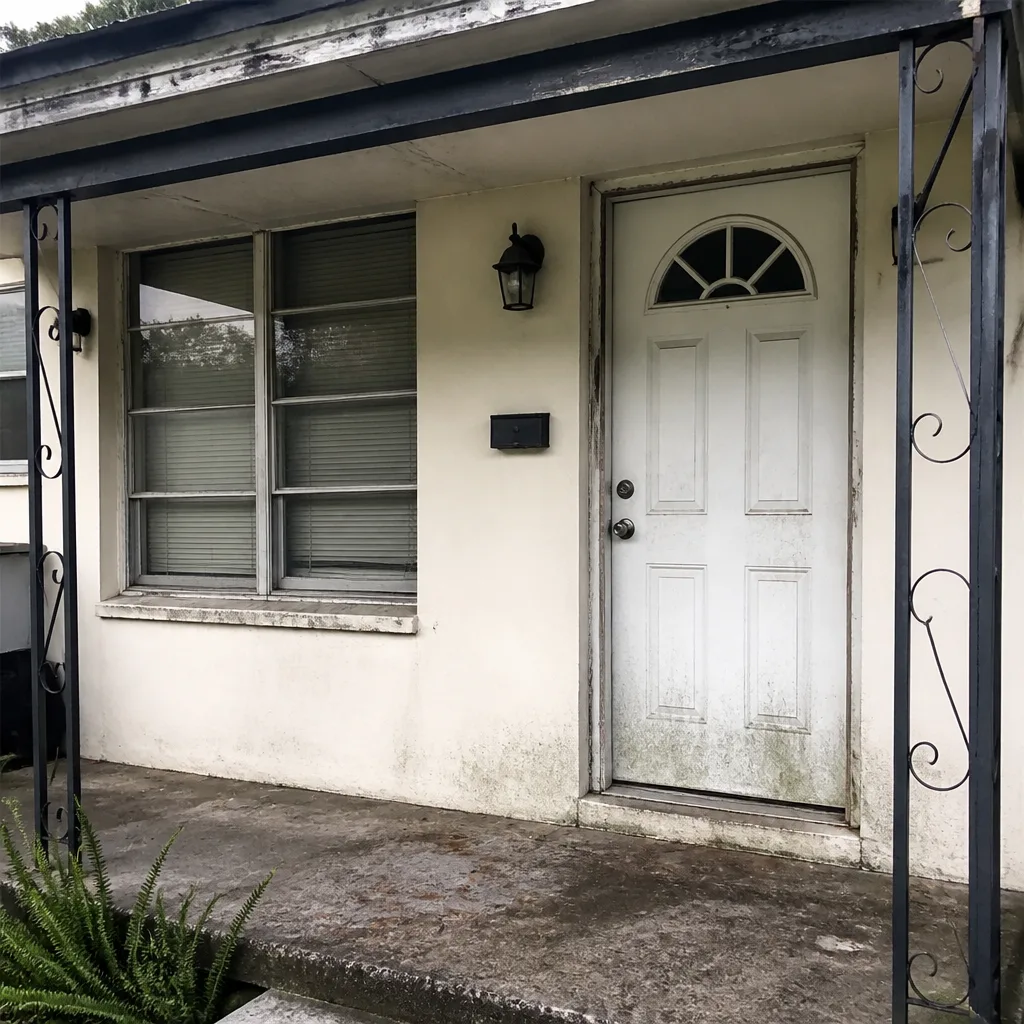 Before
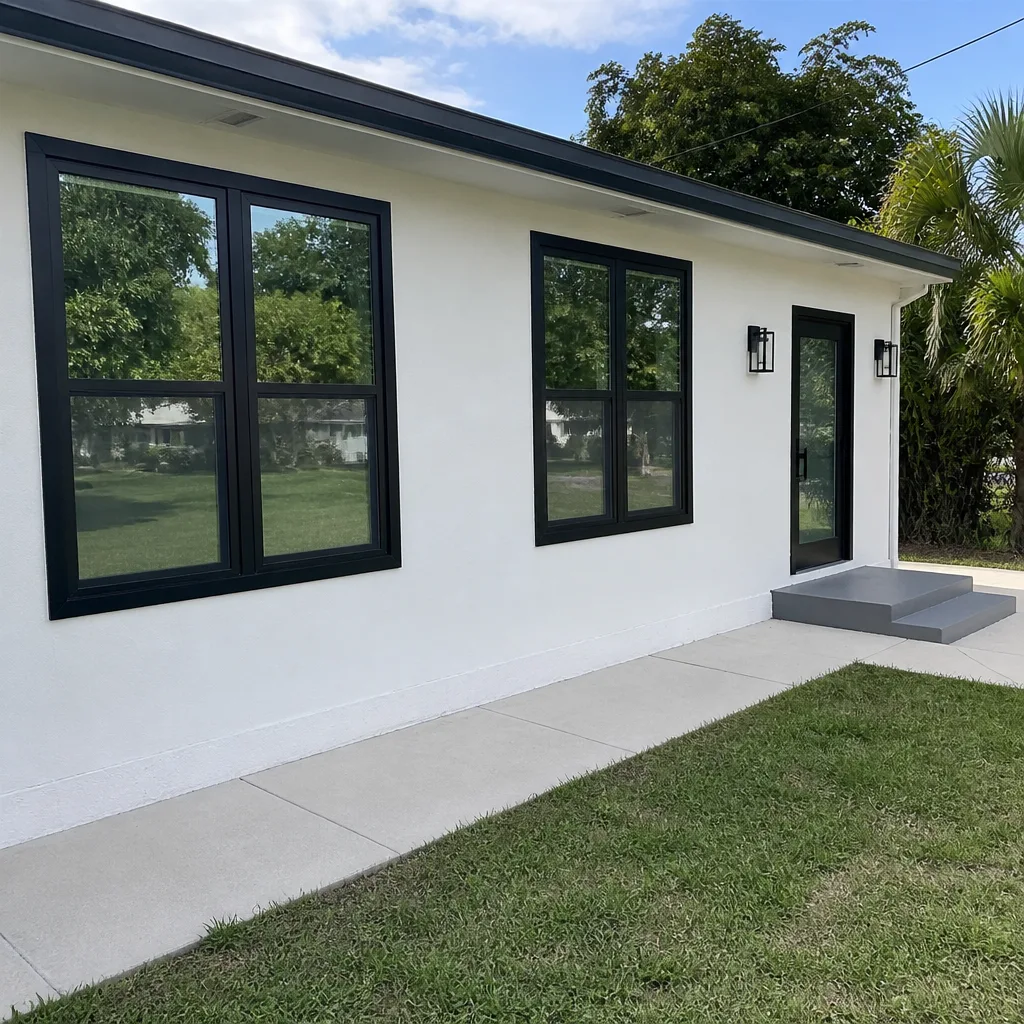 After
After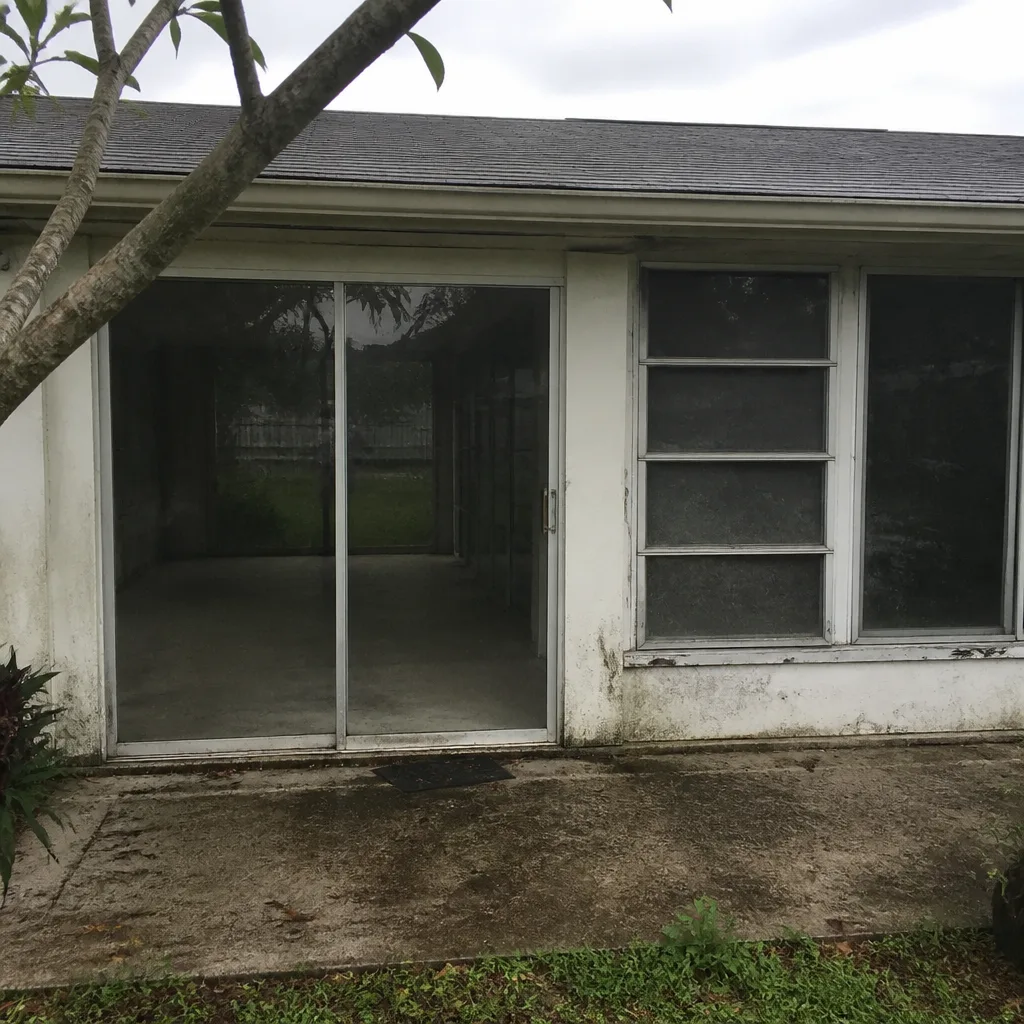 Before
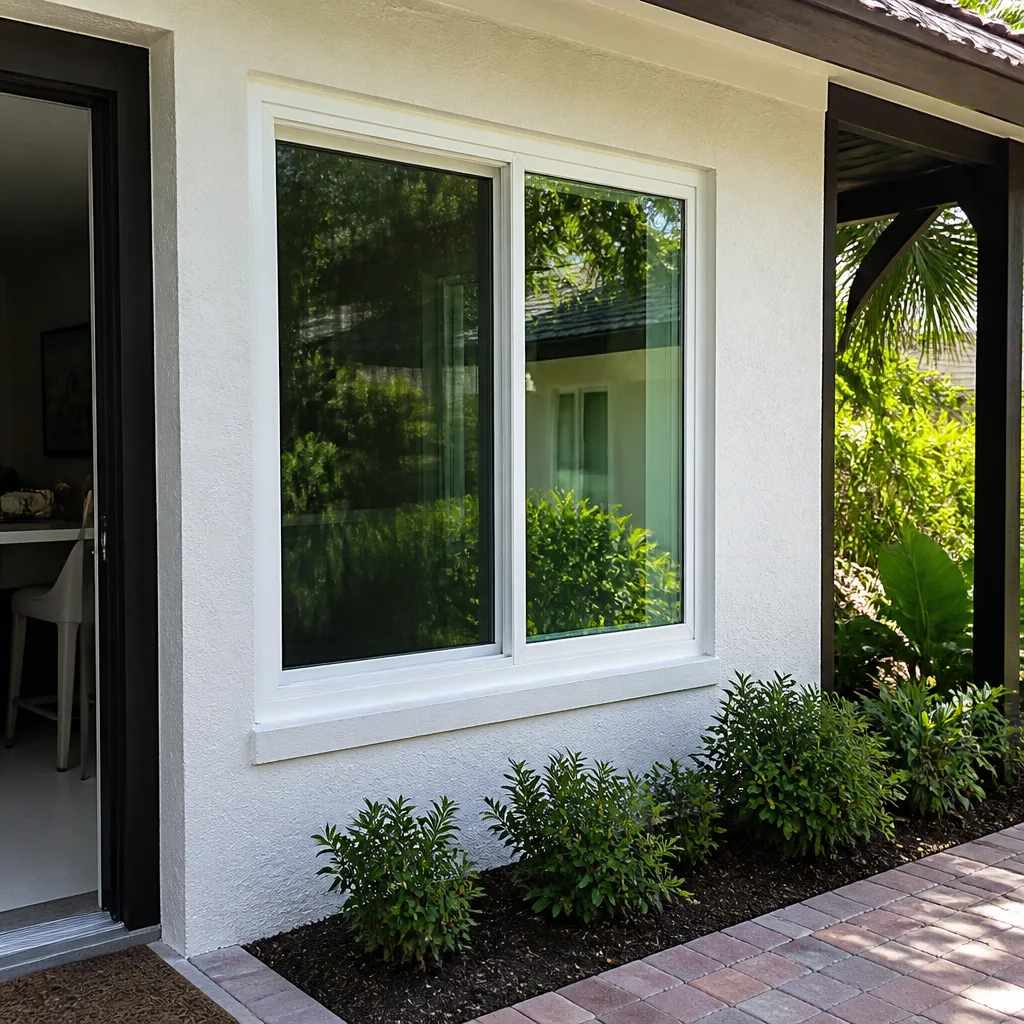 After
AfterWindows & Doors Permits, Codes & Inspections in FL: What You Need to Know
In Florida, a window or door replacement is not a simple swap. It triggers a chain of code compliance requirements, product approval verification, and municipal inspections that catch a lot of homeowners off guard. And here’s what surprises people most: pulling the wrong permit type for an impact window job in Miami-Dade can require a complete re-inspection from scratch, adding weeks and hundreds of dollars that the homeowner, not the contractor, usually absorbs. This guide walks through which projects actually need a permit in Florida, what the Miami-Dade NOA system means for your product choices, how inspections work phase by phase, what unpermitted work does to your insurance and resale value, and what you’re legally allowed to do with your own two hands. We’ve worked through hundreds of these jobs in Westchester, where Miami-Dade and Broward rules overlap, and we’ll show you where the traps are.
Quick Answer
Most window and door replacements in Florida require a building permit, but the exact rules differ by county. Impact windows and doors in Westchester must carry either a Miami-Dade NOA or Florida Product Approval, and inspections happen in three phases: rough-in, progress, and final. For a deeper look at what to watch for, see our Windows & Doors Warning Signs: A Westchester Homeowner’s Reference Guide. If you skip the permit, you risk denied insurance claims and stalled property sales.
Table of Contents
- Which Window and Door Projects Require a Permit in Florida
- Permit Exemptions: What You Can Do Without a Permit
- Miami-Dade NOA vs. Florida Product Approval: What Each Means
- The Inspection Sequence for Window and Door Replacement
- How Unpermitted Work Affects Insurance and Property Sales
- What You Can Do Yourself vs. What Requires a Licensed Contractor
- Westchester-Specific Considerations: Where Two Jurisdictions Meet
- Common Mistakes to Avoid
- When to Call a Professional
- Frequently Asked Questions
Which Window and Door Projects Require a Permit in Florida
Under the Florida Building Code, any project that alters the structural integrity of an exterior opening requires a permit. That means replacing a window or exterior door is not a cosmetic repair. When you pull an old window out of a concrete block or wood-frame wall, you change how wind loads, water intrusion, and impact resistance function in that wall assembly. The code treats the window or door as part of the building envelope, not as a standalone fixture.
Here is the plain-language breakdown of what triggers a permit:
- Full window replacement where the frame is removed and a new unit is installed. This requires a permit in every Florida county we’ve worked in, including Miami-Dade and Broward.
- Impact window upgrades that involve changing from standard glass to impact-rated glass. Even if the rough opening stays the same size, the product approval and anchoring requirements change.
- Enlarging or resizing any window or door opening. This is a structural change and always requires engineered drawings, a permit, and multiple inspections.
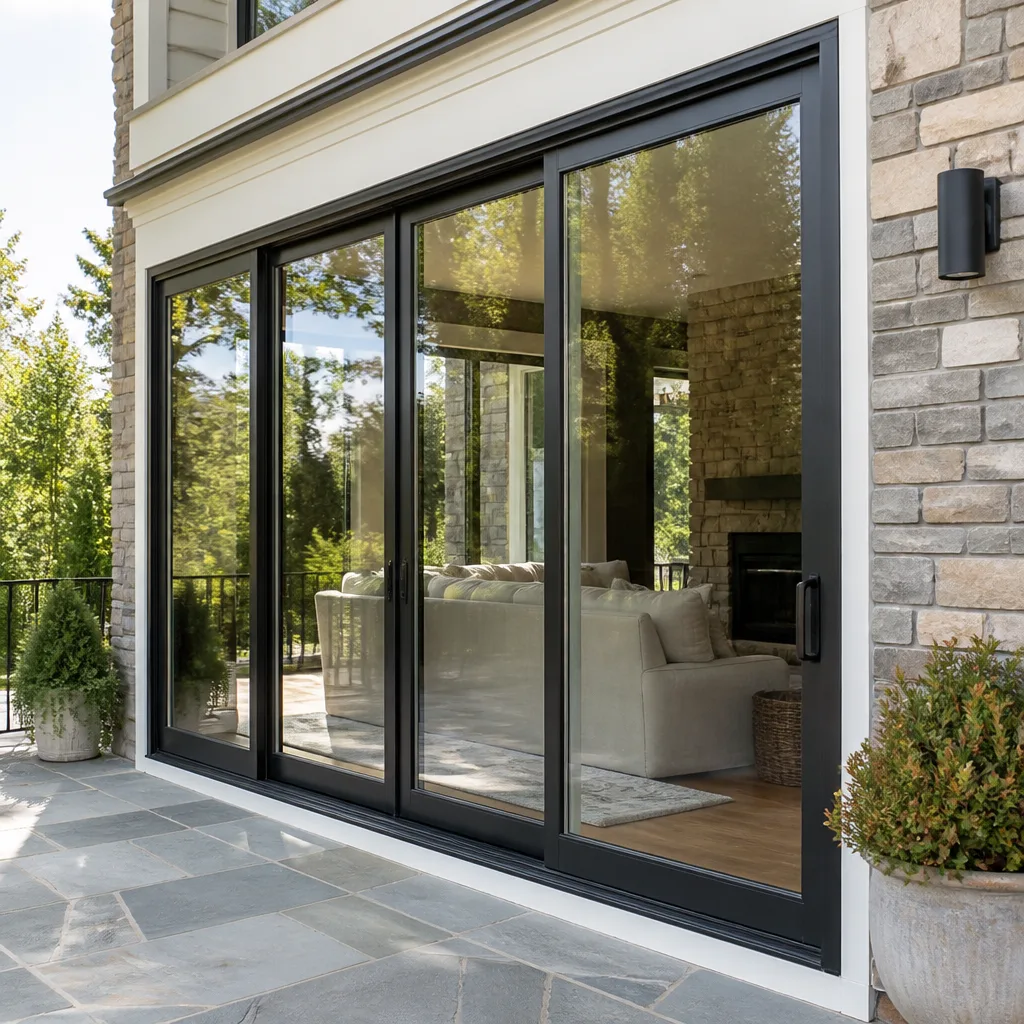
- Replacing sliding glass doors, French doors, or any exterior door that separates conditioned space from the outdoors.
- Converting a window into a door or a door into a window. This changes the wall’s load path and requires a permit with structural review.
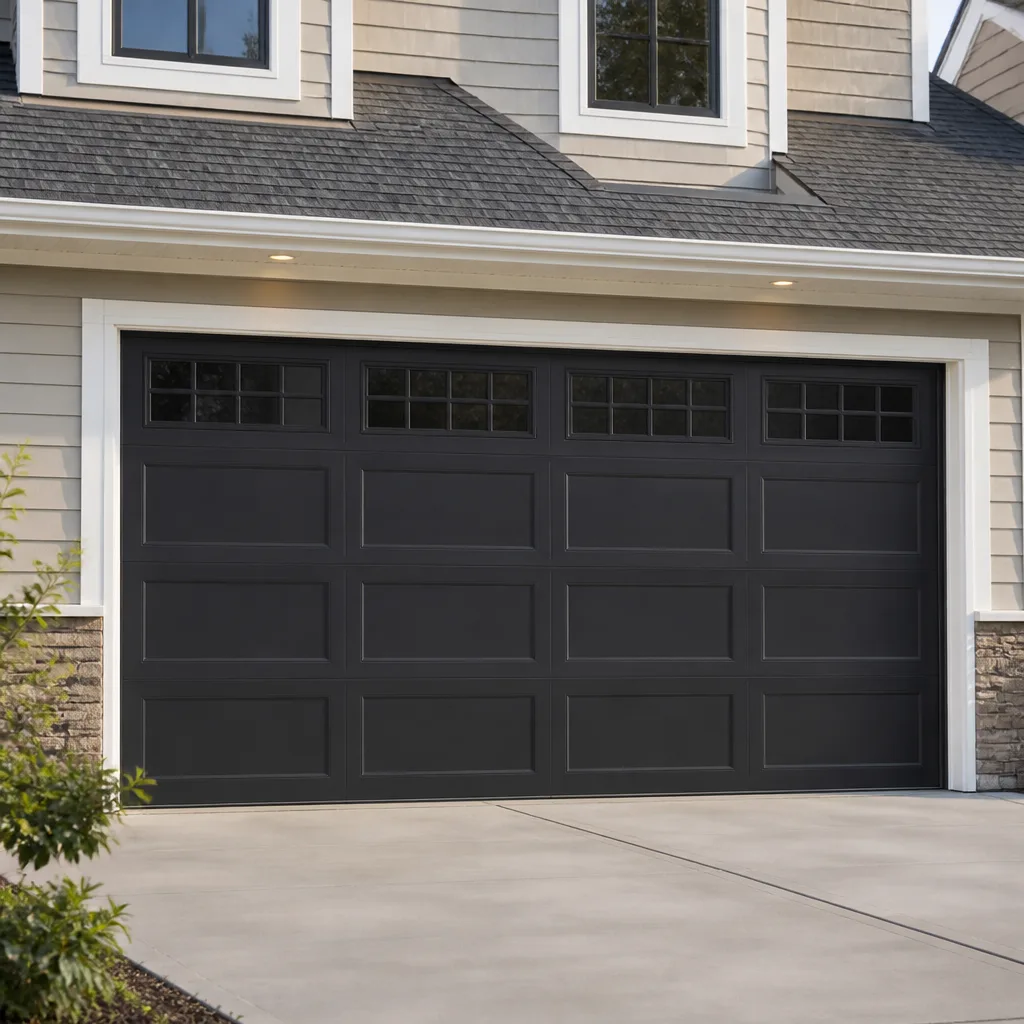
- Replacing garage doors with impact-rated models, since Florida code now treats garage doors as part of the wind-borne debris protection system.
The permit application itself requires documentation that the products you’re installing meet Florida Product Approval standards or carry a Miami-Dade NOA. We’ll get into those two systems shortly. For now, the rule is simple: if you are removing something that keeps weather out, you almost certainly need a permit.
In Westchester, the permit process runs through the county, not a city building department. That creates a specific wrinkle we’ll cover in the Westchester section below. The short version: our teams pull permits for window and door work every week, and the application requirements have become more documentation-heavy over the last three code cycles, not less. For a full overview of the process, read The Complete Guide to Windows & Doors in Westchester.
Permit Exemptions: What You Can Do Without a Permit
Florida code does carve out a few exemptions for window and door work, but they are narrower than most homeowners assume. The exemptions fall into two buckets: repairs that don’t touch the structural opening, and accessory items that don’t function as part of the building envelope.
Here is what you can typically do without a permit:
- Glass-only replacement when the frame stays in place and you swap just the glass pane. This matters because cracked glass in a window is a common repair. If the frame, sash, and anchoring are untouched, most counties do not require a permit.
- Caulking, weatherstripping, and sealing around existing windows and doors. These are maintenance actions and don’t trigger code review.
- Replacing hardware like handles, locks, hinges, or rollers on an existing door. This is cosmetic or mechanical maintenance, not structural work.
- Installing window screens or screen enclosures that are not glazed and don’t carry structural loads.
- Repairing a broken door threshold or replacing door sweeps. These keep the existing door functional without altering its anchoring or fire rating.
However, there’s a big caveat. If a glass-only replacement changes the glass type, you may still need approval. For example, swapping standard glass for impact-rated laminated glass in an existing frame requires that the frame and anchoring be re-evaluated for the heavier glass. The frame may not handle the load. So even some “just the glass” jobs end up requiring permit review if the product specifications change.
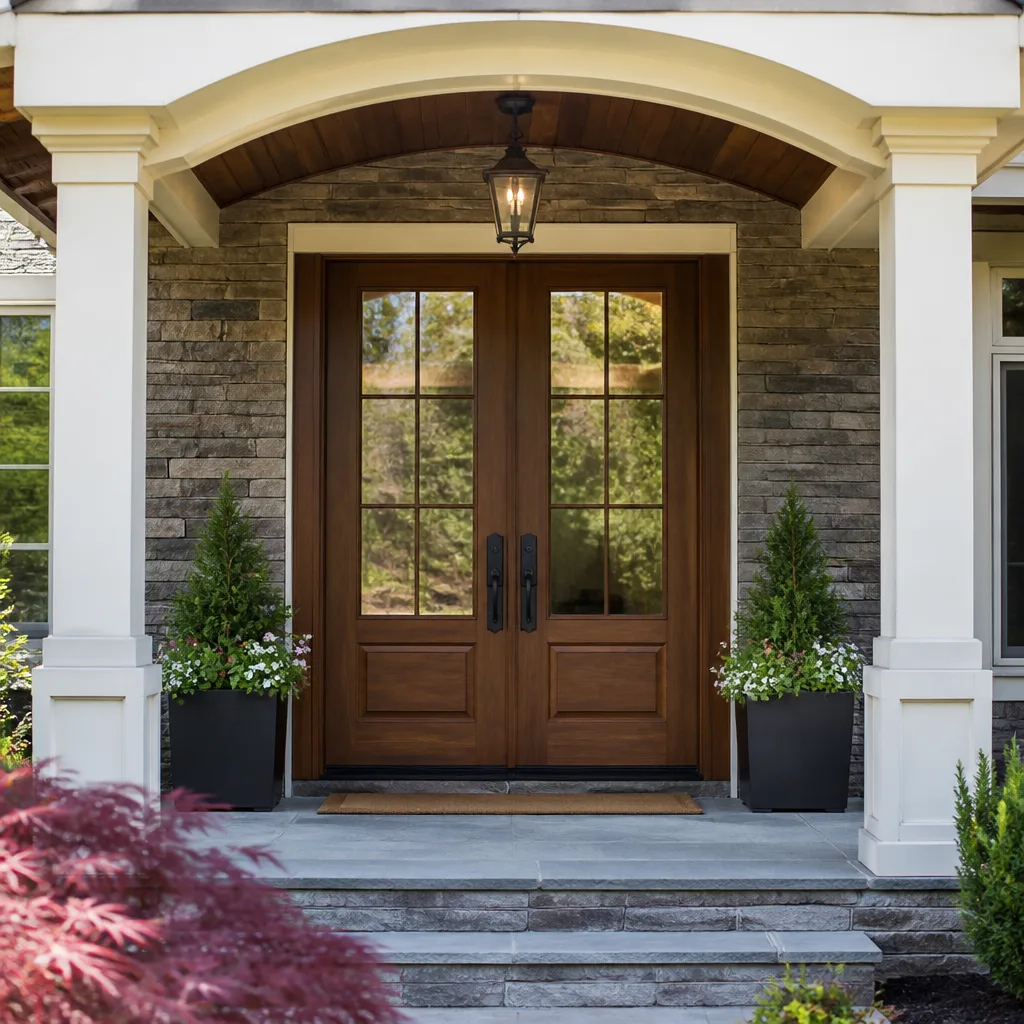
The same logic applies to doors. Replacing a hollow-core interior door inside your home does not require a permit. Replacing the exterior slab door that separates your living room from the Westchester humidity does, because that door is governed by wind-load requirements, impact rating, and energy code provisions.
When in doubt, the safest and cheapest path is to call your county building department or have a licensed contractor check the code requirement for you. A fifteen-minute phone call can save you from a re-inspection headache later.
Miami-Dade NOA vs. Florida Product Approval: What Each Means
This is the area where Westchester homeowners get confused fastest. Florida has two overlapping product approval systems, and Miami-Dade is the only county with its own separate protocol. If you live in Westchester, you may need one or both depending on which side of the jurisdictional line your property sits on.
Florida Product Approval (FPA) is the statewide standard. Any window, door, or shutter sold for exterior use in Florida must be tested to meet the Florida Building Code’s wind and impact standards. The Florida Department of Business and Professional Regulation maintains a searchable product approval database. Every approved product gets an FL number, like FL12345. When you buy a PGT or CGI window, the product’s FL approval is embedded in the documentation.
Miami-Dade NOA (Notice of Acceptance) is a more stringent, county-specific certification. Miami-Dade developed its own testing protocol after Hurricane Andrew in 1992, and the county still requires products used in its jurisdiction to carry an NOA number in addition to or instead of Florida Product Approval. The NOA testing standard is widely considered more rigorous because it tests the full assembly, including anchoring, in a real-world wind cycle simulation.
Here’s how to verify a product has the right approval:
- Ask the window or door supplier for the product’s FL approval number and, if applicable, its NOA number.
- Search the Florida Product Approval database online using the FL number to confirm the product is currently approved and not expired or suspended.
- If you’re in the Miami-Dade part of Westchester, search the Miami-Dade NOA database separately. A product with FL approval but no NOA cannot be installed in Miami-Dade jurisdiction.
- Do not accept a verbal assurance. We run into products every year that were sold as Miami-Dade approved but only carry Broward or statewide approval. The label on the box is not the legal documentation.
For impact windows from brands like PGT, CGI, and Mr-Glass, most current models carry both FPA and Miami-Dade NOA. But there’s a catch. Older product lines, discontinued models, and some newer budget options may carry FPA only. If you live on the Miami-Dade side of Westchester and a contractor proposes a window that only has FPA, that’s a red flag. A product like that cannot pass inspection in Miami-Dade.
The same verification applies to doors. A Therma-Tru impact-rated door, for instance, carries Florida Product Approval, but you need to check the specific model and size to confirm it also carries the NOA if required for your property’s location.
The Inspection Sequence for Window and Door Replacement
Once the permit is issued and work begins, the county inspector will visit your property at specific stages. The sequence matters because each stage locks the next one. If you skip a required inspection or fail one, the next stage can’t begin until the issue is corrected and re-inspected.
Here is the typical inspection flow for a full window or door replacement in Florida:
- Rough-in inspection. After the old window or door is removed and before the new unit is fully sealed, the inspector checks the rough opening, the anchoring, the shimming, and any structural repair work. If the home is block construction, this means checking the concrete anchors. If it’s wood frame, checking the fasteners and load path.
- Progress inspection (varies by county). Some counties require an inspection after the window or door is set but before trim and interior finish cover the installation. The inspector verifies flashing, water management, and the correct product versus what was listed on the permit application.
- Final inspection. After all windows and doors are installed, fastened, flashed, trimmed, and caulked, the inspector returns to confirm code compliance. For impact products, the inspector checks that the specific NOA or FPA-approved product referenced on the permit is what was actually installed. This is where “product substitutions” get caught.
What happens if an inspection fails? At the rough-in stage, a failure typically means the anchoring is wrong or the rough opening was not prepared correctly. The fix could require pulling the unit and re-drilling anchors. At the progress stage, a failure often means incorrect flashing or the wrong sealant. At the final stage, a failure usually means the product on site doesn’t match the permit, or the installation has visible gaps, bowed frames, or missing weather protection.
Each failed inspection requires a re-inspection fee. The fee varies by county, but in Miami-Dade the current re-inspection fee runs roughly $85 to $150 depending on the trade. Each re-inspection also adds a minimum of one business day to the schedule, often more. On a multi-day window replacement job across a whole house, we’ve seen a missed rough-in inspection add two weeks to a project timeline because the installer had already moved on to the next job.
For homeowners, the lesson is clear: hire an installer who understands the inspection sequence and schedules the job around inspection windows, not the other way around.
How Unpermitted Work Affects Insurance and Property Sales
This is the section that costs people real money. Unpermitted window and door work in Florida is not a victimless short cut. It surfaces later in two specific ways: insurance claims and home sales.
On the insurance side, Florida property insurers have become aggressive about post-claim inspections. If you file a claim for water intrusion, broken glass, or storm damage, the adjuster will compare the home’s built condition against county permit records. If the windows or doors that failed were installed without a permit, the carrier has a basis to deny the claim. Policy language to watch includes phrases like “permitted work,” “conforming use,” and “code upgrade obligations.” Some policies specifically exclude damage “resulting from unpermitted alterations.”
On the sales side, Florida law requires sellers to disclose “any alterations or improvements made without required permits” on the seller’s disclosure form. If a seller checks that box, buyers often demand a price reduction or require the work to be permitted after the fact retroactively. Even if the seller forgets to disclose, a thorough home inspection with a permit search will typically reveal the unpermitted work.
What happens then? The buyer’s real estate attorney will request copies of permits. If none exist, the seller has two options: obtain an as-built permit retroactively, which involves opening walls to prove the installation meets code, or reduce the sale price enough to cover the buyer’s cost of bringing the work into compliance. Neither is cheap.
In Westchester specifically, we’ve watched this play out on mid-century block homes where a previous owner installed new windows in the 1990s without permits. Thirty years later, the seller loses a deal or takes a hit because those windows now must be permitted retroactively. The cost of a permit upfront is trivial compared to the cost of proving compliance decades later.
What You Can Do Yourself vs. What Requires a Licensed Contractor
Florida does allow homeowners to act as their own contractor for work on their primary residence under certain conditions. This is called the owner-builder exemption. It’s real, but it comes with strings attached that catch people.
Under Florida law, you can apply for an owner-builder permit if you live in the home and plan to do the work yourself. The permit application requires you to sign an affidavit confirming you understand you are taking responsibility for code compliance and that you cannot delegate the work to an unlicensed person. You can do the work with your own labor, but if you hire anyone, you must hire a licensed contractor.
Here’s what the owner-builder exemption means in practice for window and door work:
- You can pull the permit. Whether the county will issue it depends on the scope. A single window replacement is usually fine. A whole-house impact window retrofit may trigger additional scrutiny.
- You can do the labor. Demo, setting windows, flashing, caulking. If you have the skills, it’s legal.
- You cannot hire an unlicensed handyman to do it under your permit. That’s a violation of Florida’s contractor licensing laws, and the county will reject the permit or revoke it if discovered.
- You take full liability. If the installation fails in a storm, your insurance company will ask who signed the permit application. If it’s you, the claim process gets harder.
- The work must still pass every inspection. You have to schedule inspections, be on site for them, and correct any issues the inspector flags. There is no “homeowner’s discount” on code requirements.
For most Westchester homeowners, the owner-builder route makes sense only for simple, single-opening replacements on the ground floor. To weigh your options, see DIY vs Professional Windows & Doors: The Westchester Homeowner’s Decision Guide. Impact windows, second-story work, sliding glass doors, and anything that requires reaching the roofline are jobs where a licensed contractor’s signature on the permit is worth the cost. The permit itself doesn’t protect you. The installer’s knowledge and accountability do.
Westchester-Specific Considerations: Where Two Jurisdictions Meet
Westchester sits in an unusual spot. The majority of the community is unincorporated Miami-Dade County, but its northern and western edges brush against Broward-adjacent zones and some municipal pockets. That means two neighbors on the same street in Westchester can theoretically fall under different permitting jurisdictions depending on the exact parcel address.
Here’s what that means for window and door work specifically:
- Product approvals differ. A home in the Miami-Dade portion of Westchester needs NOA-approved products. A home that falls under a Broward or municipal jurisdiction within the same ZIP code may accept Florida Product Approval without an NOA. If you buy the wrong product for the wrong side of the line, you’ll fail inspection and have to pay to swap materials.
- Inspection schedules differ. Miami-Dade’s inspection windows can run longer than some neighboring jurisdictions during peak season. If you’re on a tight timeline for hurricane season, the jurisdiction affects your schedule as much as the contractor does.
- Wind zone maps matter. Westchester is in a High Velocity Hurricane Zone under Miami-Dade rules. That designation changes minimum design pressure ratings for windows and doors. Products that meet Broward standards may not meet Miami-Dade’s HVHZ requirements. A competent contractor checks the specific wind zone map for your property, not just your ZIP code.
- Permit fees vary. Miami-Dade’s fee schedule for window and door permits is based on valuation. Broward-adjacent municipalities often use a flat fee per opening. A whole-house window job can differ by several hundred dollars in permit fees depending on which office processes it.
This jurisdictional overlap is one of the reasons we recommend working with a company that pulls permits in Westchester every week, not once a season. A contractor from outside the area who doesn’t know the Miami-Dade NOA requirement may quote you a price based on the wrong product and the wrong permit. By the time the mistake surfaces at inspection, the homeowner is already committed.
As Westchester homeowners ourselves, our team knows which side of the line a given address falls on before we ever touch a tape measure. That knowledge is built into the estimate, not discovered mid-project.
Cómo el Clima y el Código de Energía Afectan su Proyecto
Florida’s energy code is not a suggestion. It’s enforced, and windows and doors are the primary points where homes lose thermal performance. The current Florida Energy Conservation Code mandates specific U-factor and Solar Heat Gain Coefficient values for replacements. In South Florida, those numbers are tighter than in most other states because the cooling load drives everything.
For impact windows, the energy code and the structural code intersect. Impact-rated laminated glass is inherently thicker and has different solar performance than standard glass. Low-E coatings, gas fills, and frame materials all affect U-factor. If you buy an impact window from a brand like PGT or CWS, the product will meet energy code out of the box. But the permitted drawings must show the specific products referenced from approved documentation. The inspector checks this at final inspection.
One thing homeowners don’t always consider: replacing your windows is also the moment when your home’s overall energy performance gets re-evaluated. In some cases, code requires you to make improvements elsewhere if the window upgrade doesn’t stay within the prescriptive path. This is rare for one-for-one replacements, but it does happen when openings are enlarged or when the project scope changes the wall-to-window ratio.
We’ve also found that Westchester’s older block homes from the 1960s and 1970s frequently have window openings that don’t perfectly match modern product sizes. When that happens, the installer has to fill or modify the rough opening. That work triggers the rough-in inspection and must be approved before installation continues. It’s one more reason a licensed professional with local experience pays for itself on these older homes.
Common Mistakes to Avoid
- Assuming all impact windows are Miami-Dade approved. Just because a product is sold in South Florida doesn’t mean it carries an NOA. We’ve seen homeowners in the Miami-Dade portion of Westchester buy Broward-only approved units and fail final inspection. Check the approval before you buy, not after the boxes arrive.
- Pulling the wrong permit type. There is a difference between a repair permit, a replacement permit, and a structural alteration permit. Filing the wrong one triggers reclassification, re-filing, and re-inspection fees. The homeowner absorbs those costs when the contractor made the mistake.
- Hiring a contractor who doesn’t pull permits. Some installers will tell you permits “aren’t necessary” for window work. That’s false for almost every exterior replacement in Florida. If a contractor says this, walk away.
- Buying products online to save money. An online window may carry a Florida Product Approval sticker, but if it lacks the Miami-Dade NOA and you live in the wrong part of Westchester, you’ve bought an expensive paperweight. Plus, the installer who agrees to install owner-supplied materials often won’t warrant the installation.
- Starting work before the permit is issued. In Florida, you cannot begin work until the permit is actually issued, not just applied for. We’ve seen inspectors red-flag jobs where work started before permit issuance. That triggers a stop-work order and administrative fines.
- Not keeping the permit documents. You need those permit records when you sell the house or file an insurance claim. If the contractor held the permit and you didn’t get a copy, request it now. Digital copies from the county are usually available, but you have to ask.
- Ignoring the inspection schedule. If you miss a scheduled inspection because no one was home, the inspector leaves, and you pay a re-inspection fee. Coordinate dates and times with your contractor before the inspector arrives.
When to Call a Professional
If your window or door project involves any of the following, call a licensed contractor rather than attempting the work yourself: impact-rated products requiring Miami-Dade NOA verification, second-story installations, sliding glass door replacement, any work on a home in the HVHZ wind zone, or situations where your insurance carrier has asked for proof of permitted work. The permitting process is navigable, but the product approval and inspection requirements in Westchester are layered enough that one wrong product choice or one misread of the code costs more than the labor you’d save. Winslow Windows & Doors offers free estimates in Westchester - call (863) 251-5864 and we’ll walk your specific address through the permit, product approval, and inspection process before you sign anything. Explore more guides & resources on our blog.
Frequently Asked Questions
Yes, most window replacements in Florida require a building permit because the window is part of the building envelope and governed by wind load and energy code requirements. The only common exception is glass-only replacement where the frame, sash, and anchoring remain untouched.
A Miami-Dade NOA is a Notice of Acceptance, a county-specific product approval that is more stringent than statewide Florida Product Approval. If your Westchester home falls under Miami-Dade jurisdiction, your impact windows and doors must carry an NOA, not just a Florida Product Approval number.
Permit fees vary by jurisdiction and project valuation, typically ranging from about $150 to $600 for a whole-house window replacement depending on the county and number of openings. Miami-Dade fees are generally higher than some municipal jurisdictions, and re-inspection fees are additional.
If your window installation fails inspection, the work stops at that stage, the issue must be corrected, and you pay a re-inspection fee that typically runs $85 to $150 in South Florida. Each re-inspection adds at least one business day to your project timeline. Call (863) 251-5864 if you’re dealing with a failed inspection and need help fixing the underlying issue.
Yes, you can apply for an owner-builder permit for your primary residence and do the work yourself, provided you sign an affidavit accepting full code compliance responsibility and don’t hire unlicensed labor. But the work still must pass every inspection, and you carry the liability if the installation fails later.
Search the Florida Product Approval database online using the product’s FL number, then search the Miami-Dade NOA database separately if your home falls under Miami-Dade jurisdiction. Don’t accept a verbal assurance or a label on the product box, because older or discontinued models often lack current NOA status.
Yes, unpermitted window work typically surfaces during the buyer’s permit search or home inspection and becomes a negotiation issue that reduces the sale price or requires retroactive permitting. Florida seller disclosure laws require you to disclose any alterations made without permits, and failure to do so creates legal exposure.
The Bottom Line
Florida’s window and door code exists because the state sits in the path of hurricanes, not because bureaucrats enjoy paperwork. The permit process, product approval requirements, and inspection sequence all exist to ensure that the window you install today will still be protecting your home in thirty years. In Westchester, where Miami-Dade NOA rules and Florida Product Approval overlap, the wrong assumption about jurisdiction or product approval costs real money and real time. The correct approach is to verify product approvals before purchase, pull the right permit before work begins, schedule inspections in sequence, and keep your permit documents forever. Do those four things and the system works in your favor. Skip any of them and the system works against you, usually after it’s too late to fix cheaply. Ed Winslow and the team at Winslow Windows & Doors home handle this process for Window Installation in Westchester and Window Replacement in Westchester every week, including Impact Windows in Westchester that meet Miami-Dade code. Call (863) 251-5864 for a free estimate and we’ll map your specific address through the permit, approval, and inspection process before you spend a dime.
Written by Ed Winslow, Owner at Winslow Windows & Doors, serving Westchester since 2011.
Six Reasons Homeowners Choose Winslow Windows & Doors
Impact systems engineered to design pressures up to +/-100, matched to your wind zone - your openings hold when the storm arrives.
Low-E insulated impact glass from our manufacturer lines commonly cuts monthly cooling bills 20-30%.
Laminated impact glass shuts out up to 40% of outside noise - traffic, neighbors, weather.
Monitoring services run $30-90 a month. Laminated impact glass resists forced entry around the clock, with no subscription.
Florida homeowners average around 25% savings on the windstorm portion of their policy after protecting every opening - some homes qualify for more.
A full impact package upgrades curb appeal, buyer confidence and appraised value in one project.