
Last updated August 27, 2026
Free in-home measure and quote - PGT, CGI and CWS impact lines compared on your actual openings, style by style
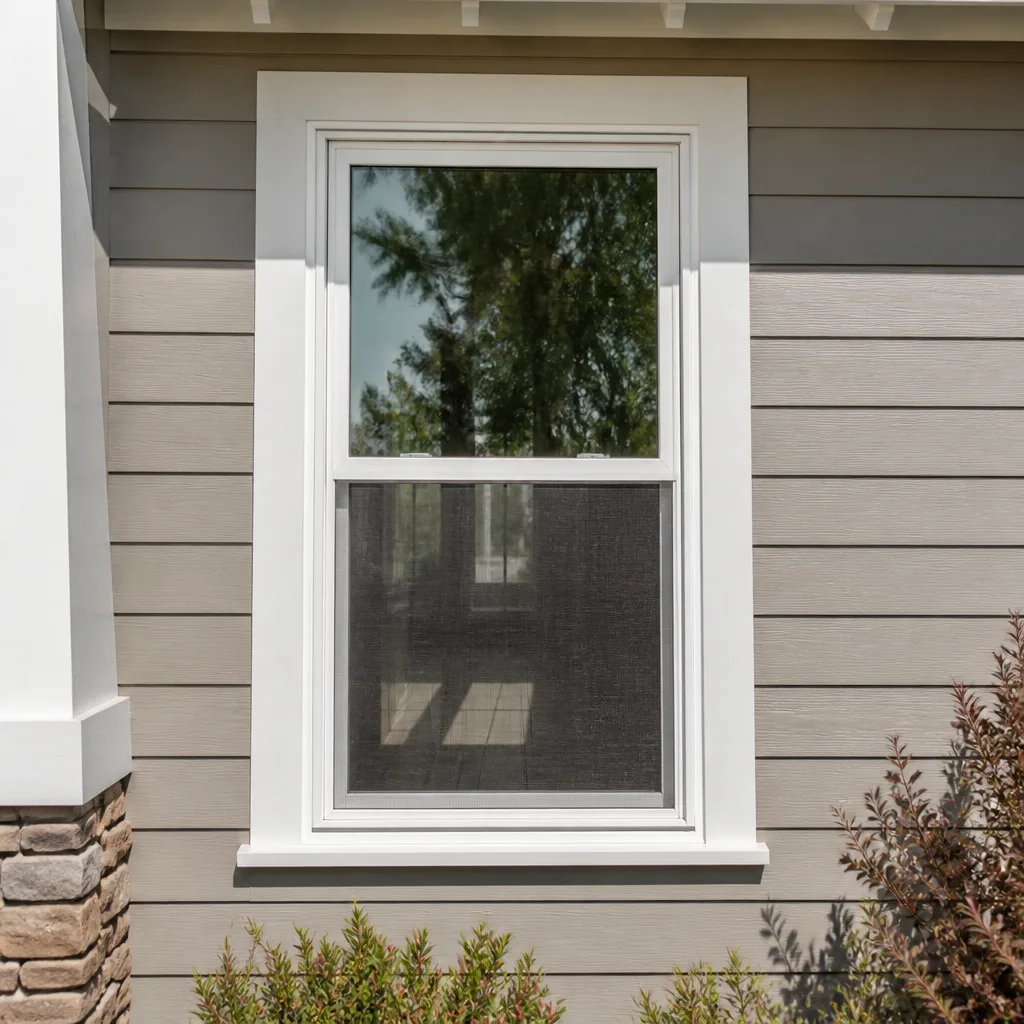
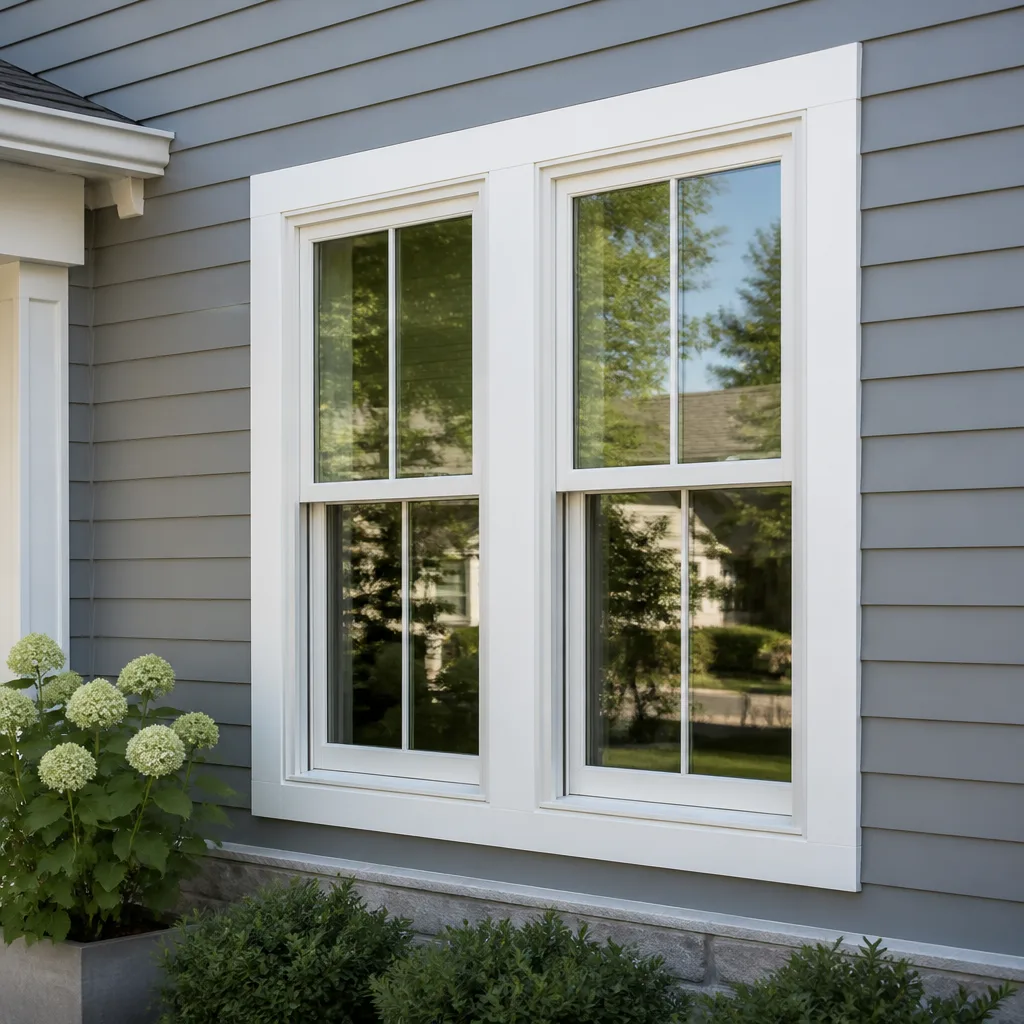
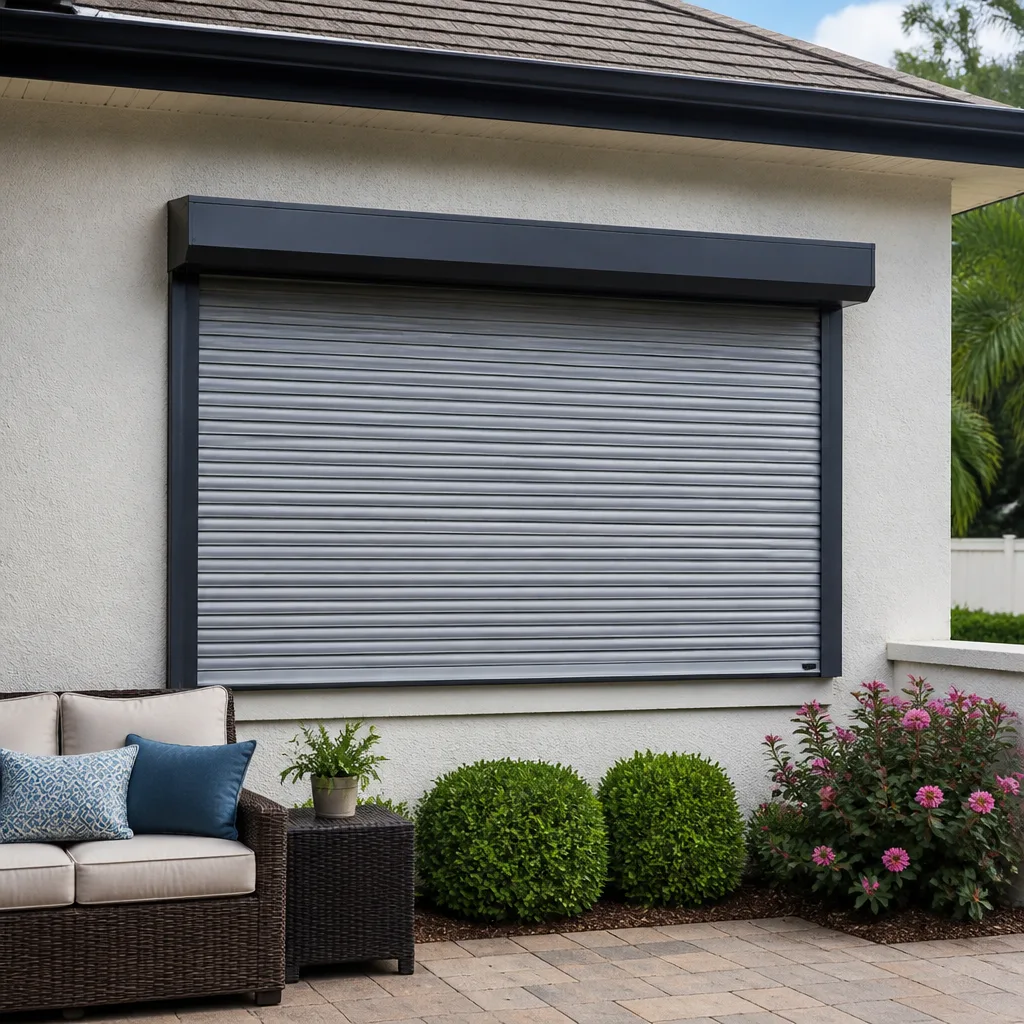
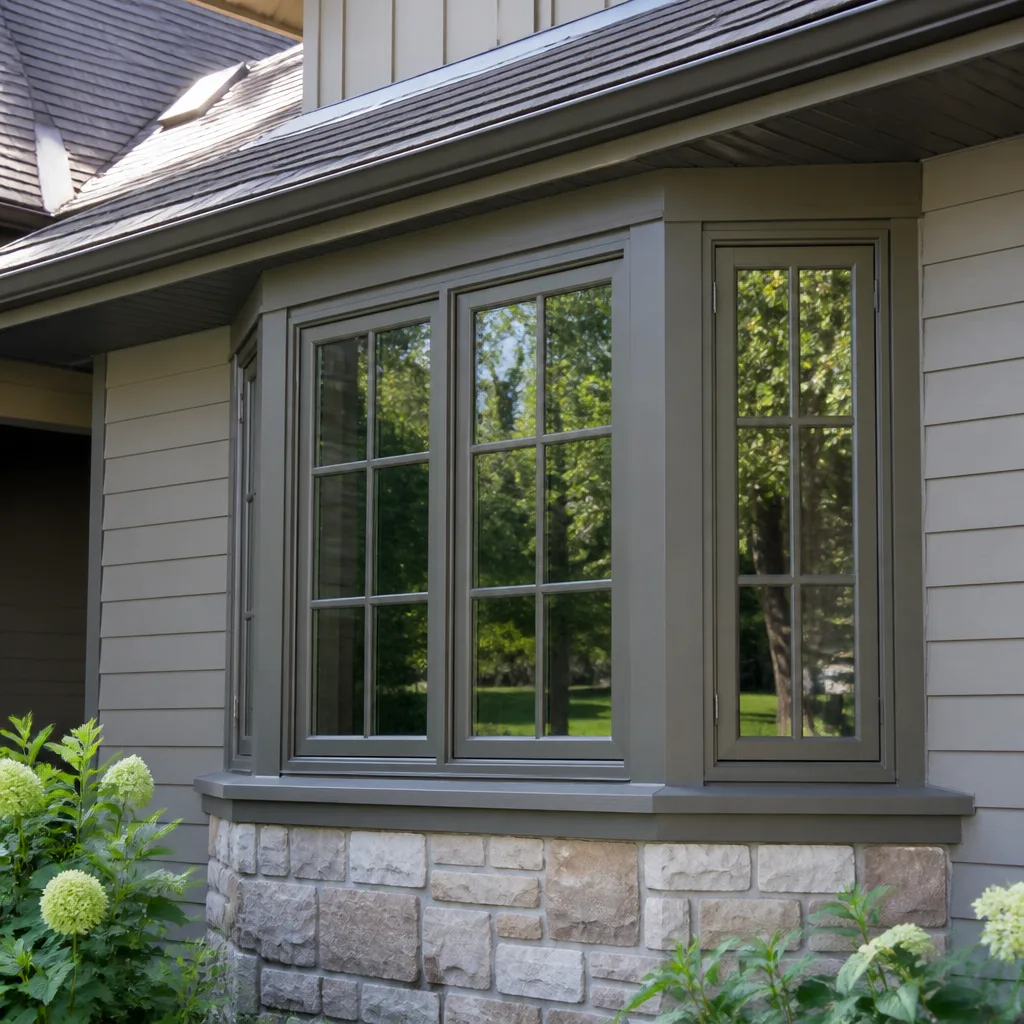

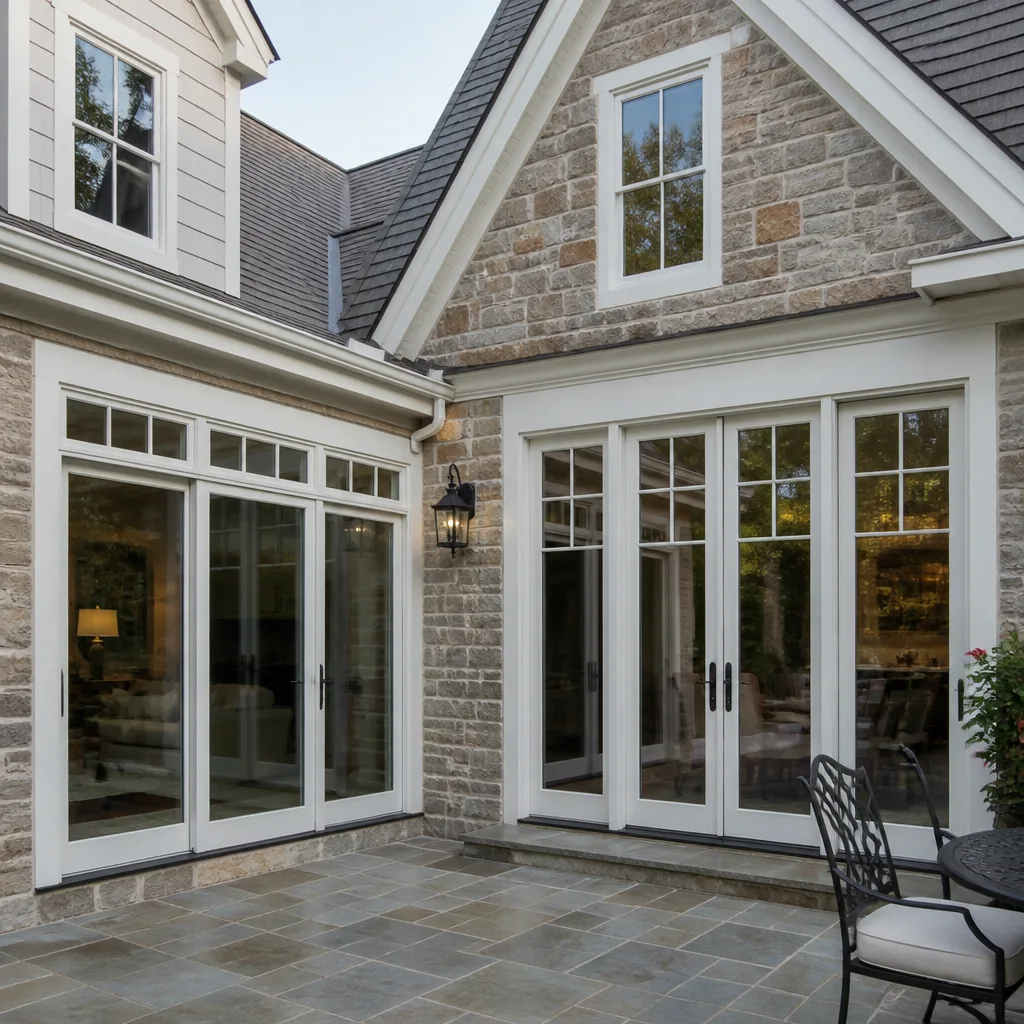
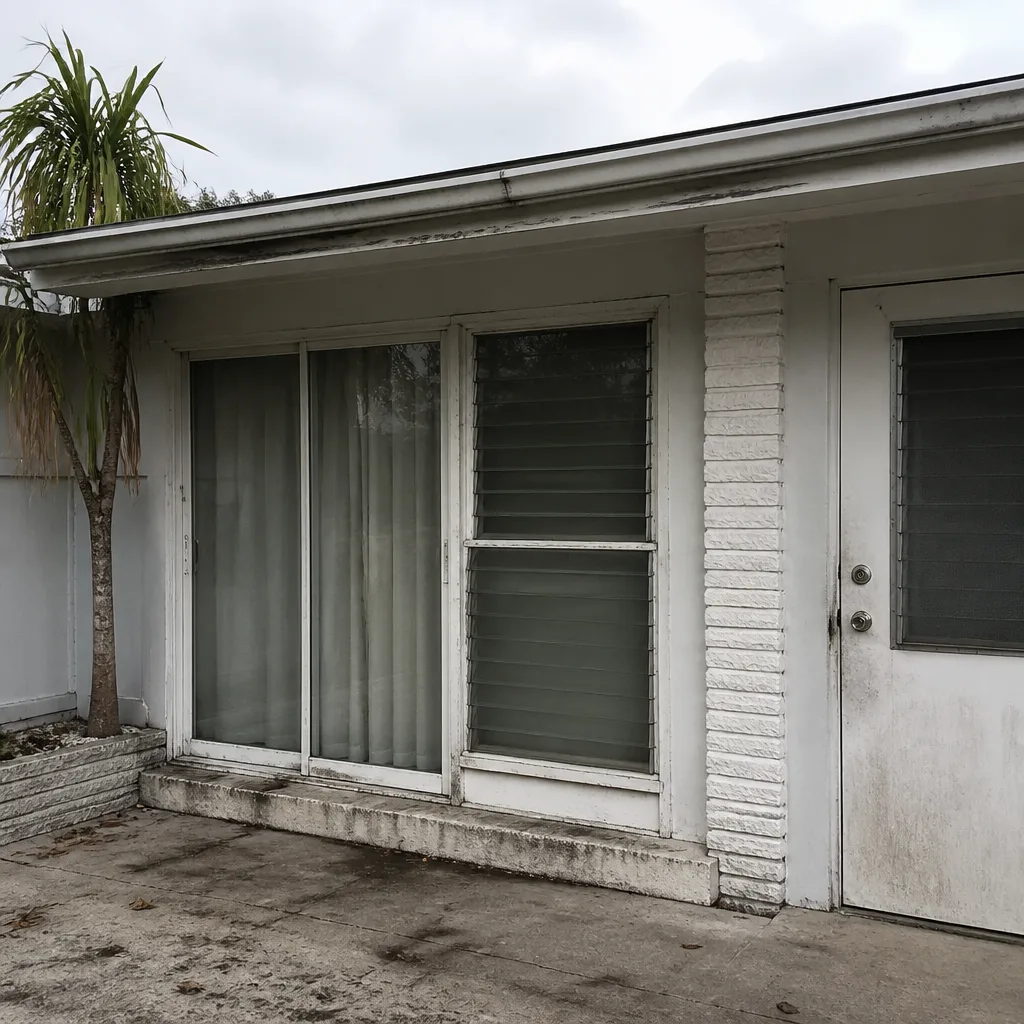 Before
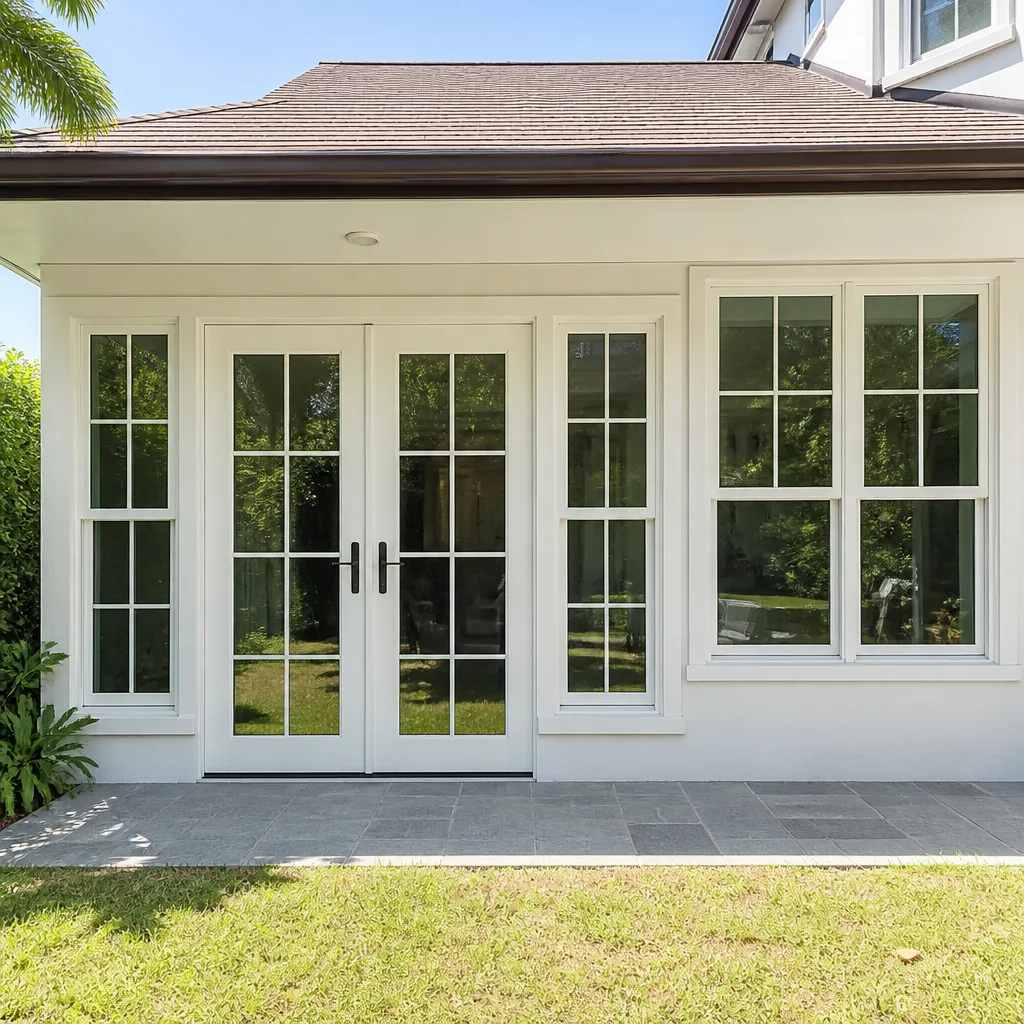 After
After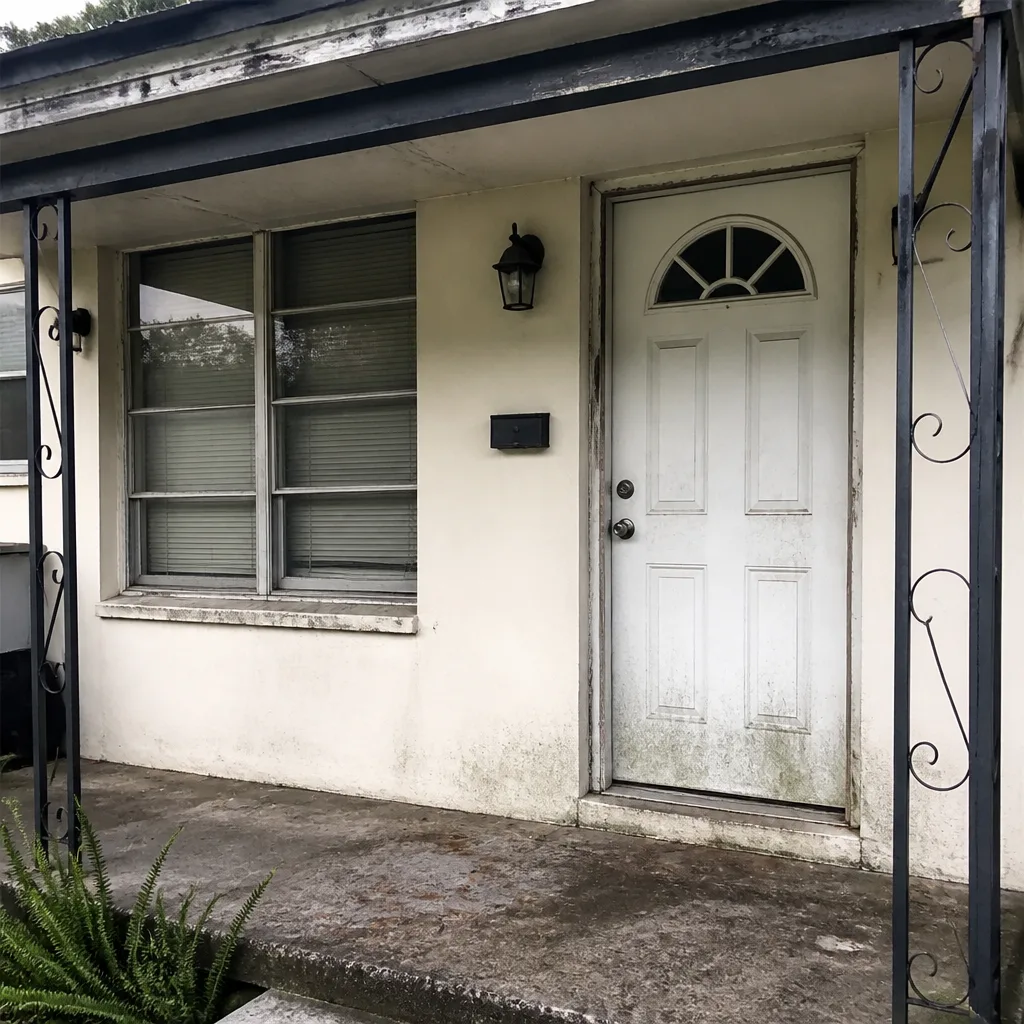 Before
 After
After Before
 After
AfterWindows & Doors Warning Signs: A Westchester Homeowner’s Reference Guide
A sticky door in a South Florida home isn’t a minor annoyance. It’s often the first visible sign of foundation movement or moisture intrusion in the frame, and both get significantly worse and more expensive if ignored. Most window and door problems in Westchester give weeks or months of warning before they become expensive emergencies. The issue is that homeowners miss the signals because they don’t know what they’re actually looking at. This guide names the signs specifically, so you can act early instead of reacting late, and for more guides & resources, see our other articles. By the time you finish reading, you’ll know how to read your home’s windows and doors the way a trained installer does.
Quick Answer
The most common window and door warning signs in Westchester are sticky or binding operation, visible daylight around closed sashes and door edges, condensation between glass panes, soft or rotting wood around frames, rust on hardware or tracks, and air movement you can feel around closed windows and doors. Any one of these signals means the protective seal on your home has begun to fail. In Westchester’s humid, storm-driven climate, that failure accelerates quickly when it’s not addressed.
Table of Contents
- The Sticky Door: What It Actually Means in South Florida
- Early Sealant Failure in Impact Windows: The Signs Before the Water
- What “Hard to Operate” Means for Each Window Type
- Five Exterior Warning Signs You Walk Past Every Day
- The Dollar Bill and Flashlight Test: 10 Minutes That Reveals Energy Loss and Storm Vulnerability
- Condensation, Fog, and Haze: Reading the Glass
- Wood Rot, Termite Damage, and Frame Deterioration
- Repair or Replace: How to Decide in Westchester’s Climate
The Sticky Door: What It Actually Means in South Florida
A door that suddenly sticks, scrapes, or binds against its frame is telling you something specific. In Westchester, where the soil beneath most homes shifts with seasonal moisture cycles and limestone substrate, a sticky door typically points to one of three underlying conditions: slab movement, hinge wear, or frame swelling from moisture. Knowing which one you’re dealing with determines whether you need a door adjustment or a closer look at your foundation.
Here’s how to tell the difference:
- Slab movement: The door sticks at the top on the latch side during the wet season and releases during the dry season. The gap between the door and frame is wider at the top on one side and wider at the bottom on the other. This cycle in Westchester typically follows the May-October rain pattern.
- Hinge wear: The door sags slightly and scrapes at the bottom on the latch side. You’ll notice the top hinge has a visible gap when the door is closed, or the screws have worked loose. This is a door problem, not a house problem. It’s also the cheapest fix.
- Frame swelling from moisture: The door sticks all the way around, often after heavy rain or high humidity stretches. This is common in older Westchester homes where the original door frames predate current moisture-barrier building standards.
What matters is the measurement. A settlement gap between the door and frame that’s under 1/8 inch and consistent is usually cosmetic. A gap over 3/16 inch that changes with the seasons, or a door that only binds after storms, is worth a professional evaluation. In our experience, Westchester homeowners who catch frame swelling early spend a few hundred dollars on a door adjustment or weatherstrip replacement, as covered in The Complete Guide to Windows & Doors in Westchester. Those who wait often spend thousands on frame repair, threshold replacement, or structural work.
If your door sticks but you’re not sure why, start with the hinge screws. Tighten them. If the problem persists, measure the gaps with the door closed. Take notes. Then call someone who knows what those measurements mean in Westchester specifically, not in a generic sense, or read our guide on How to Hire a Windows & Doors Contractor in Westchester: A Step-by-Step Guide.
Early Sealant Failure in Impact Windows: The Signs Before the Water
Impact windows rarely fail suddenly. They fail at the perimeter first, where sealant meets the frame and the wall. The trouble is, most Westchester homeowners don’t look at their impact window sealant until water is already running down the interior wall. By then, the repair bill has tripled.
The early signs of sealant failure are visible if you know where to look. Here’s what we check on impact windows across Westchester, from the neighborhoods around Tropical Park to the newer developments off Bird Road:
- Caulk pulling away from the frame or stucco: Look for hairline separation at the point where the sealant bead meets the window frame. A 1-inch section that has pulled loose lets water behind the frame during even a moderate afternoon storm.
- Sealant that has turned chalky, cracked, or lost its elasticity: Touch the bead with a fingernail. If it flakes or feels rigid instead of rubbery, the UV exposure has broken it down. South Florida sun destroys sealant faster than most homeowners expect, often within 5 to 7 years.
- Water stains forming on interior drywall beneath or beside the window: These appear as faint tan or yellow rings, often in corners or along window sills. By the time the stain is visible, water has been entering for weeks or months.
- Gaps between the window frame and the wall you can slip a business card into: Any visible gap wider than 1/16 inch at the frame-to-wall junction is an open path for wind-driven rain.
One detail that separates impact windows from standard windows in Westchester: the anchoring system. Impact windows in Westchester are bolted or strapped into the structural framing of the wall. If the sealant fails and water reaches those anchor points, you’re no longer dealing with a cosmetic re-caulk. You’re dealing with corrosion in the hardware that holds the window to the house during a hurricane. That’s a safety issue, not a water stain.
We recommend walking the perimeter of every impact window once every six months, ideally in March before the rainy season and again in October after it ends. Look for separation, chalkiness, and cracking. If you find it, reglazing the sealant is a few hundred dollars. Replacing a corroded anchor assembly is considerably more.
What “Hard to Operate” Means for Each Window Type
“The window is getting hard to open” sounds like one problem. It’s actually several different problems, and each window type fails differently. When a Westchester homeowner calls us and says a window is difficult to operate, the repair path depends on what kind of window it is.
Casement Windows
Casement windows open with a crank and swing outward on hinges. When a casement window becomes hard to operate, the problem is almost always in the crank mechanism or the hinge arms. Specifically:
- Resistance at the beginning of the turn: The operator gears are stripping or dry. This worsens until the crank slips and the window won’t close fully.
- Resistance halfway through the swing: The hinge arms are binding due to corrosion or lack of lubrication. In Westchester’s salt-adjacent air, hinge corrosion is common within 8 to 10 years.
- The window closes but leaves a gap at the top: The hinge has worn out of alignment. The window sash is no longer seating squarely against the frame.
Single-Hung Windows
Single-hung windows have a fixed top sash and a bottom sash that slides up and down. When one becomes hard to operate:
- Hard to lift: The balance system (spring or block-and-tackle) is failing or the sash is binding in the track from accumulated dirt and paint buildup.
- The sash drops hard when released: The balances have lost tension. This is a signal the window is at the end of its functional life, and it won’t stay open on its own much longer.
- The sash tilts or binds on one side: The track has bent, or debris has worked into the jamb liner. Sometimes it’s as simple as cleaning. More often, the liner needs replacement.
Sliding Windows and Sliding Glass Doors
Sliders are the most common window type in Westchester homes. They fail predictably:
- Gritty, scraping movement: The rollers have accumulated sand and debris. Westchester’s soil is sandy, and that sand migrates into roller tracks. Without cleaning, the rollers grind flat spots and the window or door jumps instead of glides.
- Hard to start moving, then easier: The rollers are flattening or the track is worn. This is the early stage of roller failure.
- The door lifts then drops when you’re rolling it: The roller assemblies are shot. Continuing to force the door will damage the track, and track replacement is expensive.
The mechanical takeaway: every window has a wear component. In Westchester’s climate, that wear is accelerated by humidity, salt air, and sand. When you feel the first sign of resistance, don’t force the window. Forcing it turns a $50 roller replacement into a $300 track job. Call before it gets worse.
Five Exterior Warning Signs You Walk Past Every Day
Most Westchester homeowners enter through the garage or a side door and never really look at the exterior of their windows and doors. But the outside of your house is where the earliest warning signs appear, visible from your yard, driveway, or sidewalk if you know what to register. Here are the five exterior signals we see most often on Westchester homes, and what each one means:
- Chalky white residue on stucco below window sills or door thresholds: This is mineral efflorescence, and it means water has been moving through the wall or the frame. The water is evaporating and leaving behind salts from the concrete and stucco. If you see it, you already have a moisture problem that hasn’t shown up inside yet.
- Dark staining or black speckling at the bottom corners of window and door frames: This is mold or mildew feeding on moisture trapped in the frame or the wall cavity. In Westchester’s humidity, it doesn’t take standing water to grow mold. Persistent dampness is enough. The stain means water is getting in somewhere above or behind it.
- Gaps you can see silhouetted against the frame from the outside: Stand back about 10 feet and look at the closed window or door. If you can see daylight or a dark gap between the sash and the frame, the weatherstrip has failed or the sash is out of alignment. The door or window isn’t sealed, and your air conditioning is leaving the house.
- Rust streaks running down from window hardware, tracks, or door hinges: Rust means the protective coating on the hardware has failed and the metal is corroding. On impact windows and doors, corroded hardware may not perform correctly when the window needs to hold against storm pressure. Rust is a structural warning, not a cosmetic one.
- Stucco cracks radiating outward from the corners of windows and doors: These are stress cracks. They mean the wall is moving differently than the frame, which is anchored. Small hairline cracks are common in South Florida stucco and often harmless, but cracks that grow wider than 1/8 inch or that re-open after being patched suggest real movement that needs evaluation.
Walk the perimeter of your house this weekend. Take these five signs with you. Most homeowners find at least one, and finding it early is the difference between a repair and a replacement.
The Dollar Bill and Flashlight Test: 10 Minutes That Reveals Energy Loss and Storm Vulnerability Simultaneously
You don’t need any special equipment to test whether your windows and doors are sealing properly. A dollar bill and a flashlight will do it. This is the same test we perform during every window installation in Westchester, and it takes about ten minutes to check every opening in your house.
Here’s how to do it:
- Close and lock every window and exterior door in the house. The lock matters because it pulls the sash or door fully into the seal. Testing an unlocked window gives you a false reading.
- Place a dollar bill between the sash and the frame, then close the window or door on it. The bill should be trapped firmly between the weatherstrip and the sash.
- Try to pull the bill out. If it slides out with little resistance, the weatherstrip is not compressing. If you feel moderate to strong resistance, that opening is sealing properly.
- Repeat at multiple points around each window and door - top, middle, bottom, and both sides. Weatherstrip often fails unevenly, especially on the bottom of doors and the corners of windows.
- At night, turn on the lights inside and walk outside with a flashlight. Shine the flashlight along the perimeter of each window and door from the outside, looking at where the frame meets the stucco and where the sash meets the frame. If you can see light leaking through, that’s a gap air and water can penetrate.
What the test tells you: a window that fails the dollar bill test is leaking conditioned air. In Westchester, where air conditioning runs ten months of the year, that’s money leaving the house every day. A window that shows light through the frame-to-wall junction is also vulnerable during wind-driven rain, which means it’s vulnerable during every summer storm and any tropical system that passes through.
One important note: this test works on almost every window and door type, but be gentle on older weatherstrip. Southern exposure weatherstrip in Westchester gets brittle, and aggressive pulling can tear it. The goal is assessment, not destruction.
Condensation, Fog, and Haze: Reading the Glass
Condensation on your windows falls into two categories: the kind you should worry about and the kind you shouldn’t. Knowing the difference saves Westchester homeowners from unnecessary worry, and sometimes from unnecessary spending.
Condensation on the inside surface of the glass is usually a humidity problem, not a window problem. In Westchester, indoor humidity runs high year-round. When warm, humid interior air meets a cool window surface, the moisture condenses. This is most common in bathrooms, kitchens, and laundry rooms. It means your window is doing its job as a thermal barrier. If the condensation is persistent and heavy, the fix is usually ventilation or dehumidification, not window replacement.
Condensation, fog, or haze between the glass panes is a different problem entirely. Double-pane and triple-pane windows are sealed units. The space between the panes is filled with an insulating gas, typically argon or krypton. When you see fog inside that space, the seal has failed. The gas has escaped, moist air has entered, and the insulative value of the window has dropped significantly. There is no practical repair for a failed seal. The glass unit or the whole window needs replacement.
We see failed seals regularly in Westchester homes built in the 1980s and 1990s, where original windows are reaching the end of their service life. The failure often starts in windows with direct southern or western exposure, where relentless sun heats the glass and stresses the sealant. You’ll see fog first in the late morning hours, as the glass warms and the trapped moisture condenses. If your window fogs in the morning and clears by afternoon, the seal is already gone.
Brands like CGI and Eco Window Systems (two of the manufacturers we install) build modern sealed units that hold their gas charge for decades, but even the best seal fails eventually. When it does, the window still opens and closes, but it’s no longer insulating your home. In Westchester’s heat, that means a measurable increase in your cooling bill.
Wood Rot, Termite Damage, and Frame Deterioration
Wood has a hard time in South Florida. The combination of heat, humidity, and termite pressure means any wooden window or door frame in Westchester is under continuous attack. The question isn’t whether wood components will deteriorate, but when, and whether you catch it while it’s still repairable.
Here’s what to look for:
- Soft spots on wood frames: Press along the bottom third of every wood window and door frame with a screwdriver handle or your thumb. If the wood gives easily or feels spongy, rot has set in. The bottom corners and the areas around nail heads are where rot starts first.
- Peeling paint that reveals dark, soft wood underneath: Paint peels for many reasons, but when the exposed wood feels soft or crumbles when touched, moisture has been working on it. Repainting over rotted wood just hides the problem for a few months.
- Termite mud tubes or frass: Subterranean termites build mud tubes up concrete foundations to reach wood frames. Drywood termites push out tiny pellets called frass. Both are common in Westchester. If you see either on or around your window and door frames, call a pest inspector, then call us to evaluate the structural damage.
- Frames that have shifted or separated at the corner joints: When wood frames rot or termites hollow them out, the corners lose their integrity. The frame visibly opens at the mitered joints, usually at the top or bottom corners. Once the corners separate, the frame is no longer holding the window or door squarely.
The repair decision depends on how deep the damage goes. Surface rot we can sometimes dig out and fill. Structural rot, or rot that has spread behind the frame into the wall, usually means full frame replacement. The same applies to termite damage. If the damage has eaten into the rough opening, the repair expands.
One Westchester-specific note: many homes built before the mid-1990s used wood frames without proper flashing or moisture barriers. Those frames have been absorbing humidity for decades. By the time you see visible rot on the outside, the inside of the frame is usually worse. Don’t wait for the frame to soften visibly before you call. Press, prod, and check every wood frame in your house on a regular schedule.
Repair or Replace: How to Decide in Westchester’s Climate
Another question we answer constantly: “Can you fix this, or do I need to replace the window?” The answer is rarely binary, but there are clear thresholds.
Repair makes sense when:
- The window operates poorly but the frame is sound and the glass is clear. Balance systems, rollers, hinges, cranks, and weatherstrip are all replaceable components on most window types.
- The sealant has failed but there’s no sign of water intrusion into the wall. Re-caulking is a legitimate repair, and regular re-caulking extends the life of any window installation.
- The frame has surface rot in a localized area. If the damage is shallow and contained, it can be cut out, treated, and filled.
Replacement makes sense when:
- The glass seal has failed and the panes are fogging. You can’t repair a failed sealed unit without replacing the glass.
- The frame has structural rot or termite damage that has compromised the integrity of the opening. Patching at that point creates a false sense of security.
- The window is more than 20 years old, original to the home, and failing in multiple ways. At a certain point, replacing multiple components costs more than a new window, and an old window will never match the energy performance of modern glass.
- The window is not impact-rated and you want storm protection. Westchester building codes require impact protection for new windows, and many homeowners upgrade proactively rather than waiting for a rebuild to require it.
When replacement is the right call, the specific impact window options in Westchester matter. Not all impact windows are the same. The brands we install, including CWS and ES Windows, build to higher pressure ratings than some big-box alternatives, and the difference matters during a real storm. We’re an authorized installer, which means the warranty is valid and the factory honors it.
Common Mistakes to Avoid
- Forcing a sticky window or door: Pulling harder on a binding window seems like the quick fix, but you’re bending tracks, stripping gears, and breaking rollers. The damage compounds every time you force it.
- Repainting over rotted or softened wood: Paint seals moisture into the wood, accelerating rot. If the wood is soft, the rot is already there. Paint doesn’t fix it, and hiding it delays the repair until the frame fails.
- Ignoring condensation between the panes because the window “still works”: A window with a failed seal still opens and closes, but it’s no longer insulating. You’re paying the energy bill for a window that’s already gone.
- Using standard caulk on impact windows: Impact windows need sealant that can flex with the frame under wind pressure. Standard rigid caulk cracks within months. The right sealant matters.
- Assuming a new window fixes a structural problem: If the opening is moving because the foundation is shifting or the wall is settling, putting a new window in the same moving opening won’t solve it. The structure needs evaluation first.
- Skipping the exterior walk-around because “nothing looks wrong”: The earliest warning signs are on the outside of the house, and they’re subtle. Minutes with a checklist catches problems that interior inspection never will.
- Replacing windows without considering the brand and installer’s warranty: A discount window with a short warranty installed by a crew you’ll never see again costs more than a premium window with a real warranty from a local company that answers the phone when the warranty comes due.
When to Call a Professional
Some warning signs you can monitor. Others mean call immediately. If you see water staining on interior drywall around a window or door, call now - water is already entering the wall cavity. If a door suddenly binds hard at the top and won’t close without lifting, call now - that’s often a structural signal. If you find active termite tubes on a frame, call a pest professional and then a window and door specialist to assess the damage. If you see rust streaks on impact window hardware, call before the next storm season, because corroded hardware may fail when it matters most.
Winslow Windows & Doors offers free estimates in Westchester - call (863) 251-5864. We’ll walk the exterior with you, check every opening, and tell you honestly what needs attention now and what can wait. Ed’s name is on the door, and on every job we do.
Frequently Asked Questions
Repairing a sticky door in Westchester typically costs between $100 and $400 depending on the cause. Hinge tightening or adjustment is usually under $150, roller replacement on a sliding door runs $150 to $300, and frame realignment due to moisture or settlement is $250 to $400 - see DIY vs Professional Windows & Doors: The Westchester Homeowner’s Decision Guide for help deciding which path to take. If the sticking comes from structural movement or significant frame rot, the cost goes up accordingly. Call (863) 251-5864 for an exact quote - estimates are free.
Condensation between window panes means the window’s seal has failed and the insulating gas has escaped. The window’s energy performance is compromised, and the only real fix is glass or window replacement. It won’t get better on its own.
Check your impact window sealant twice a year, once in March before the rainy season and once in October after it ends. Look for separation from the frame, chalkiness, cracking, and gaps wider than 1/16 inch. Sealant replacement every 5 to 7 years is normal in South Florida’s sun.
Weatherstrip replacement is a straightforward DIY job on most windows and doors if the existing weatherstrip is a standard profile you can match. The challenge is matching the profile and adhesive correctly, especially on older or impact-rated units. If you’re not sure, call for a professional assessment - we’ll tell you if it’s a job you can do yourself.
Quality impact windows from brands like CGI, CWS, and ES Windows typically last 20 to 30 years in Westchester’s climate, with sealant replacement every 5 to 7 years. Standard builder-grade windows from the 1980s and 1990s are often failing now, particularly on southern and western exposures.
Yes. We offer free estimates in Westchester and no trip charge inside our home county. Call (863) 251-5864 to schedule yours. A live person answers, 24/7, and we’ll walk your property with you and tell you honestly what needs attention.
The Bottom Line
Your windows and doors don’t fail without warning. They stick, they fog, they rust, they stain, and they leak in predictable ways. Learning to read those signals is the difference between a $150 repair in March and a $3,000 replacement in October, after the storms and the mold have done their work. Walk the exterior. Test the weatherstrip. Press the wood frames. Check the sealant. What you find early, you can fix affordably. What you ignore, you pay for later. If you’re in Westchester and you’ve spotted any of the warning signs in this guide, call (863) 251-5864. The one down the road, and the one who’ll actually pick up.
Written by Ed Winslow, Owner at Winslow Windows & Doors, serving Westchester since 2011.
Six Reasons Homeowners Choose Winslow Windows & Doors
Impact systems engineered to design pressures up to +/-100, matched to your wind zone - your openings hold when the storm arrives.
Low-E insulated impact glass from our manufacturer lines commonly cuts monthly cooling bills 20-30%.
Laminated impact glass shuts out up to 40% of outside noise - traffic, neighbors, weather.
Monitoring services run $30-90 a month. Laminated impact glass resists forced entry around the clock, with no subscription.
Florida homeowners average around 25% savings on the windstorm portion of their policy after protecting every opening - some homes qualify for more.
A full impact package upgrades curb appeal, buyer confidence and appraised value in one project.