
Last updated August 27, 2026
Free in-home measure and quote - PGT, CGI and CWS impact lines compared on your actual openings, style by style
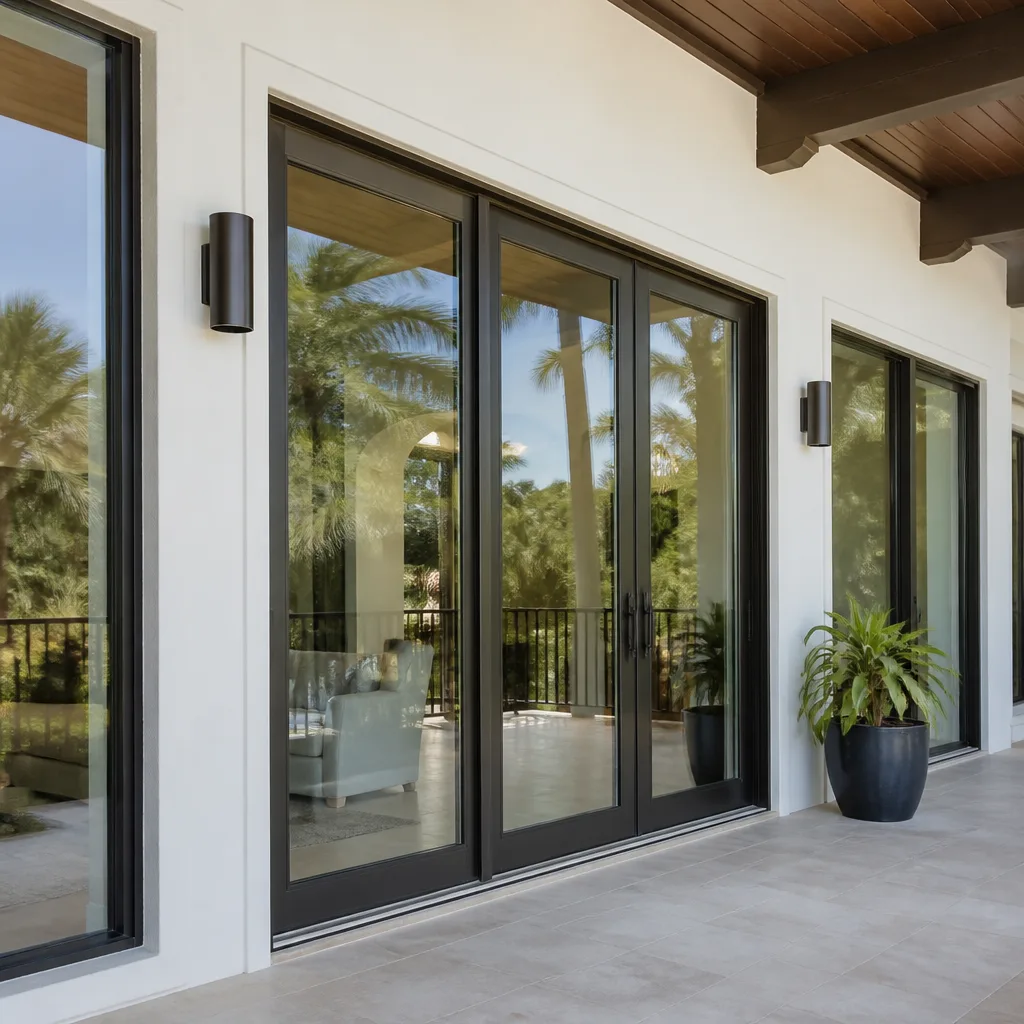
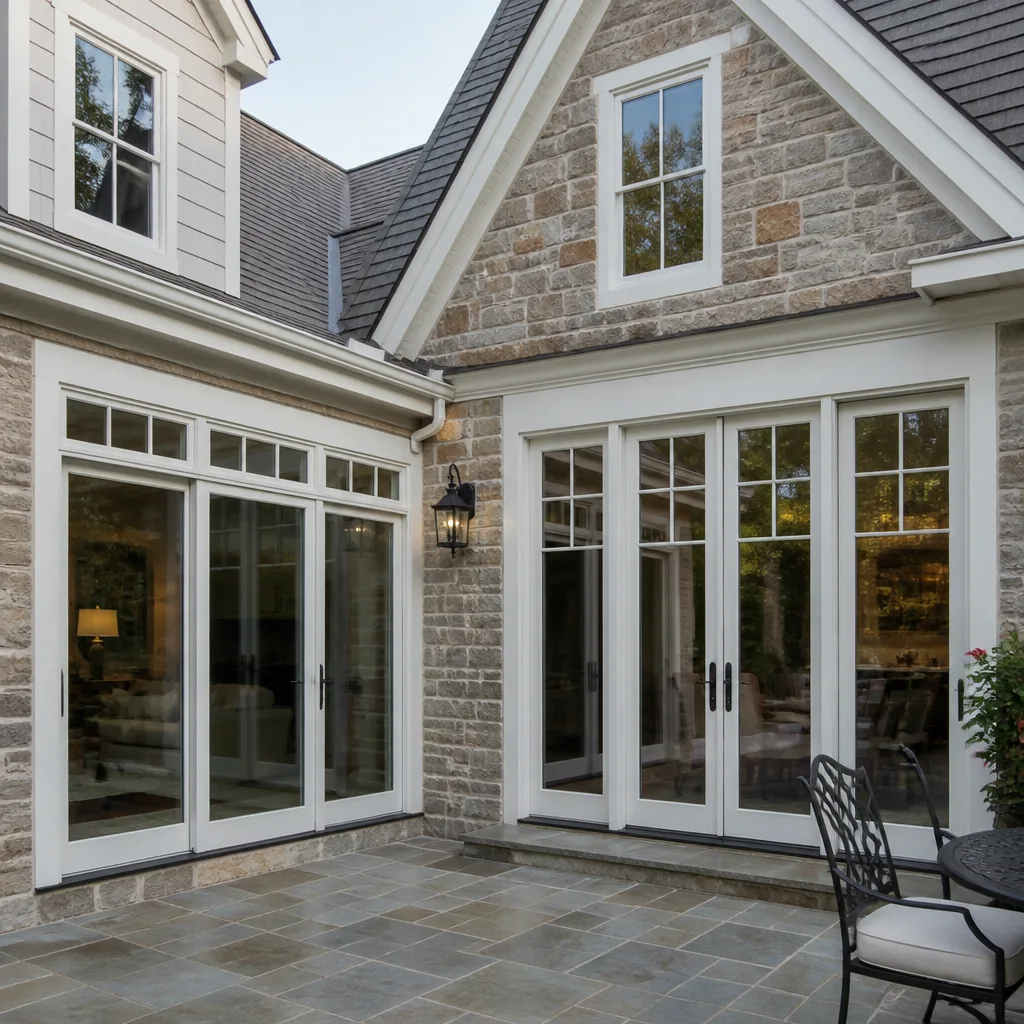
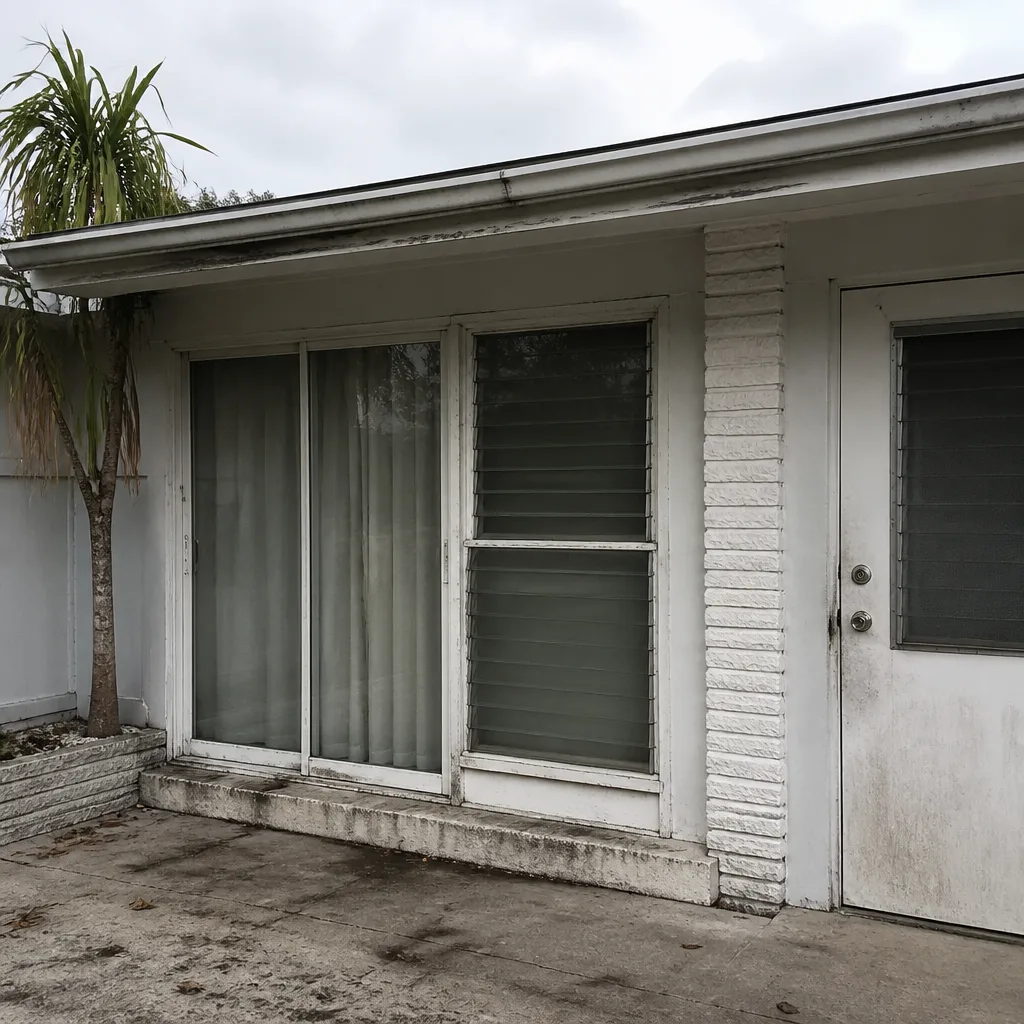 Before
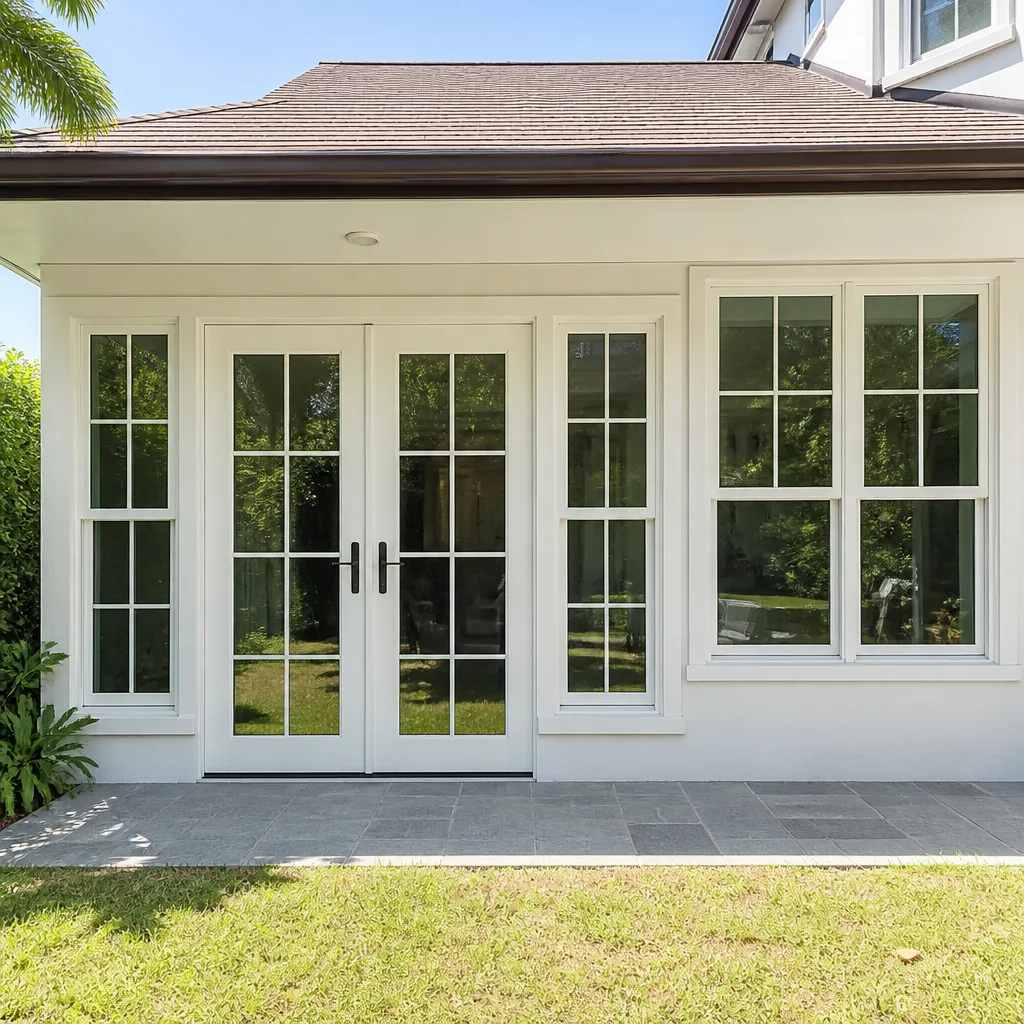 After
After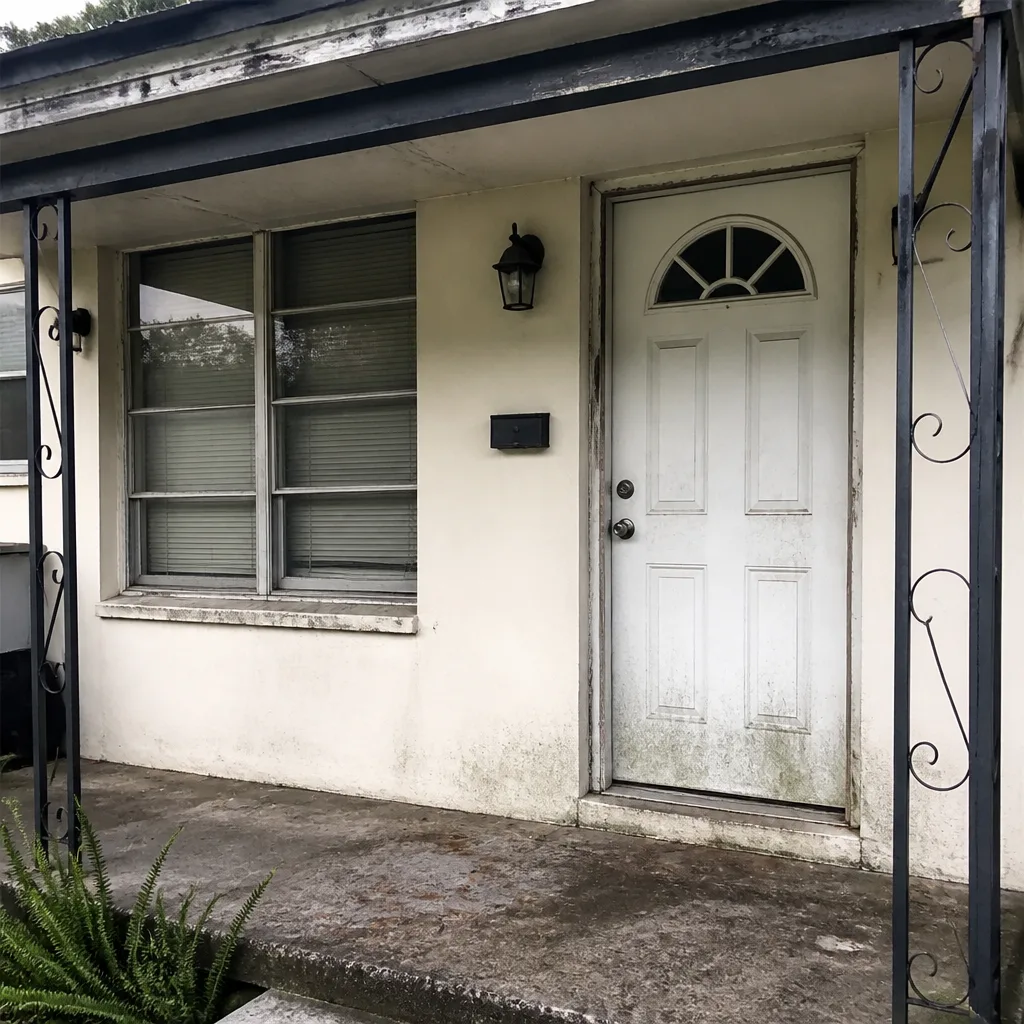 Before
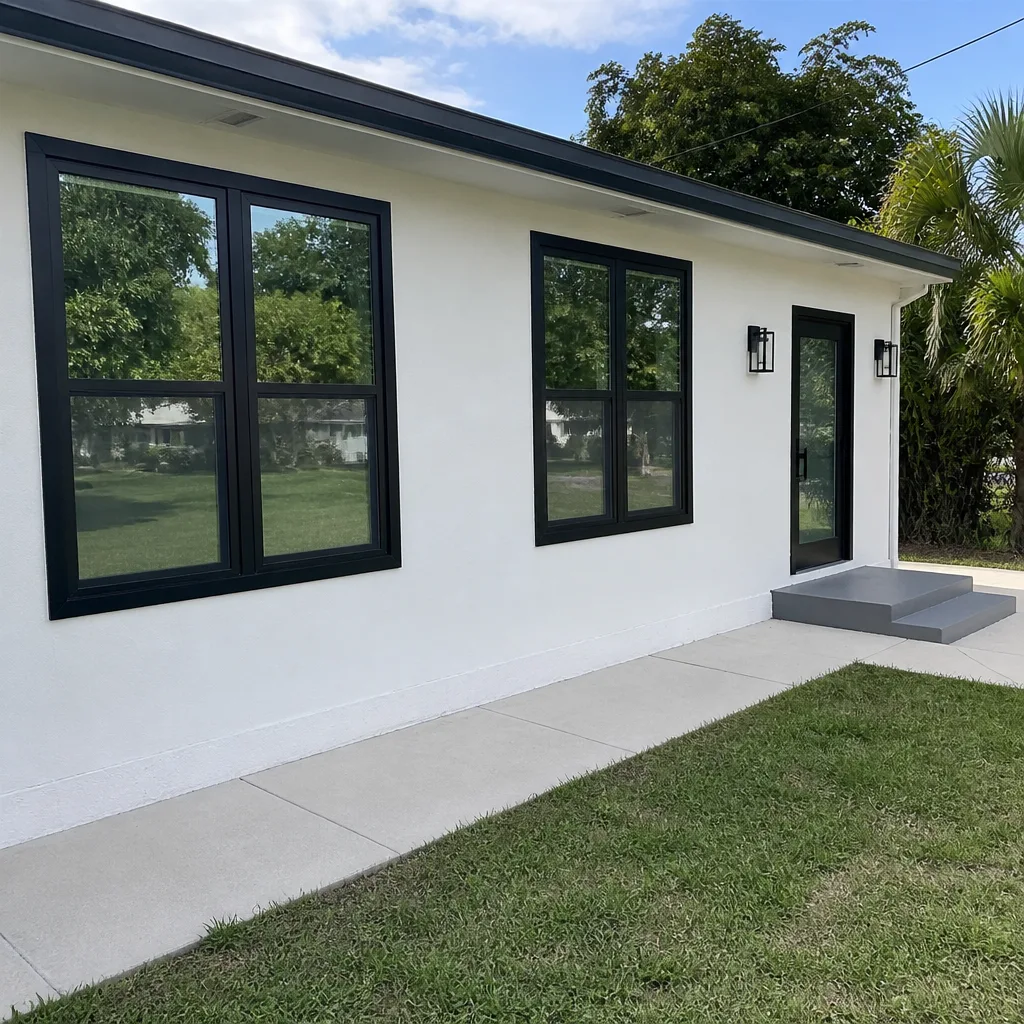 After
After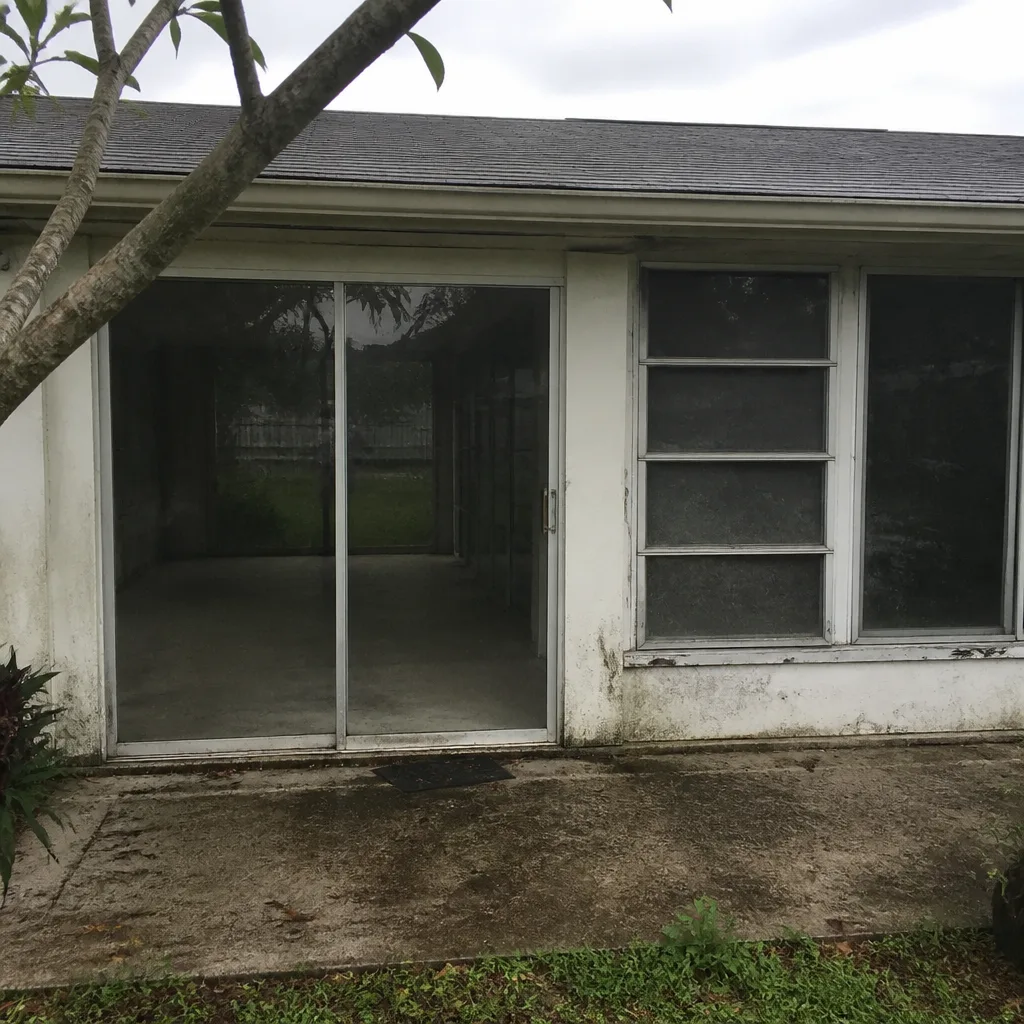 Before
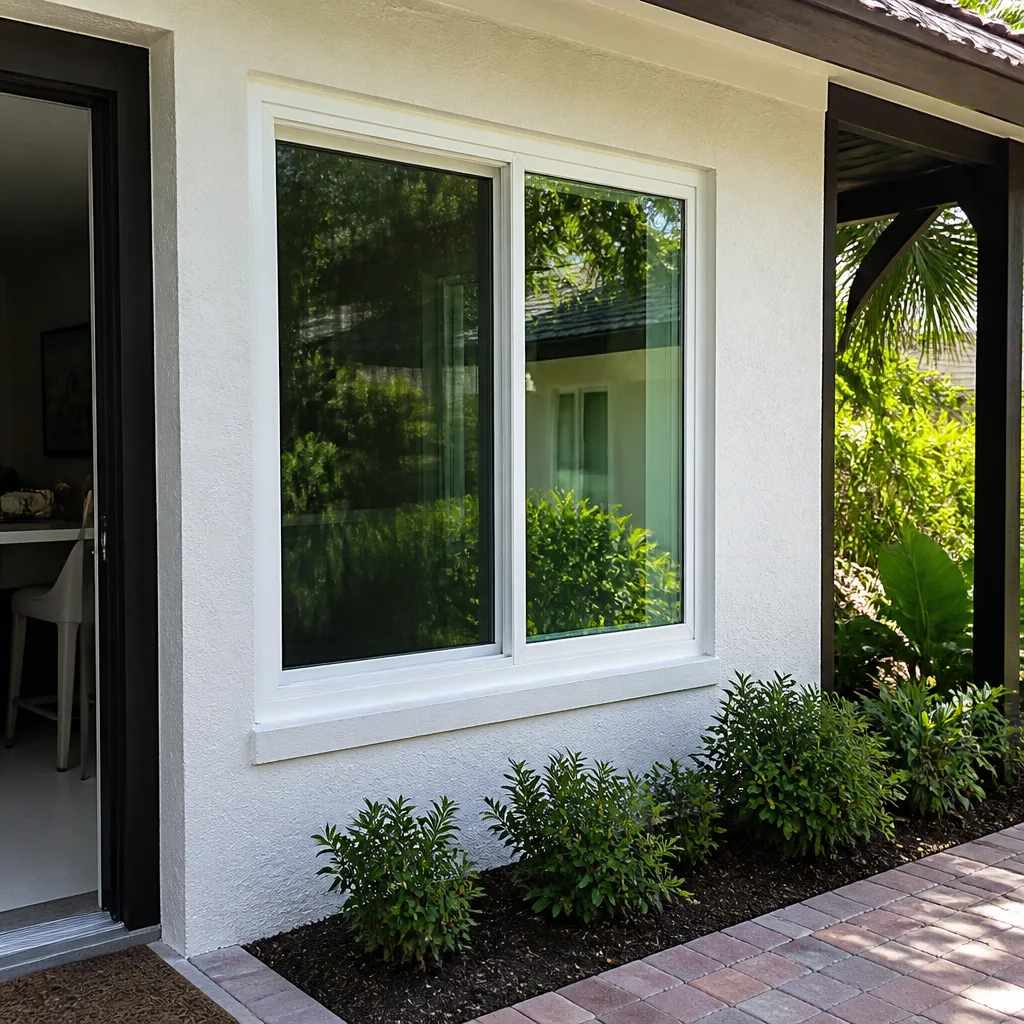 After
AfterThe Complete Guide to Windows & Doors in Westchester
A single improperly installed entry door can undo the storm protection of five correctly installed impact windows. It sounds dramatic, but it’s how the physics of a house actually works. Westchester sits in one of the most demanding wind and rain regions in the country, and your home’s exterior openings, every window, every door, even the garage door, function as one continuous envelope. This guide and our more guides & resources explain how to buy smart the first time, so you don’t spend $15,000 on premium windows and then discover a $400 door frame is compromising all of them. You’ll learn the code requirements, the brand pairings that make sense, the sequence of decisions that protects your budget, and the local realities in Westchester that national retailers never mention.
Quick Answer
Choosing windows and doors in Westchester, Florida means first determining your home’s wind zone designation, because that single fact dictates every product and installation choice before you ever pick a style. In Westchester, homeowners need impact-rated or hurricane-protected openings that work as a system, not as isolated purchases. For a free estimate and a written breakdown of what your specific home requires, call Winslow Windows & Doors at (863) 251-5864.
Table of Contents
- Why Westchester’s Wind Zone Decides Everything Before You Pick a Style
- Your Exterior Envelope Is One System, Not Separate Purchases
- The Right Sequence: Permit First, Product Second, Installer Third
- Why Brand Pairings Matter: PGT, CGI, Therma-Tru, and Mr-Glass
- Westchester Cost-to-Protection Reality: What You Actually Pay For
- The 36500-Day Done Right Promise vs. Manufacturer Warranties
- Common Mistakes to Avoid
- When to Call a Professional
- Frequently Asked Questions
- The Bottom Line
Why Westchester’s Wind Zone Decides Everything Before You Pick a Style
Westchester, Florida falls under the High Velocity Hurricane Zone (HVHZ) provisions of the Florida Building Code, or in some pockets, the non-HVHZ wind-borne debris region. What’s the difference? HVHZ, which covers Miami-Dade and Broward counties, requires products that pass the strictest impact testing in the country: a 9-pound 2×4 fired at 34 miles per hour, twice, with no penetration. Non-HVHZ areas use the ASTM E1996 missile test, which is slightly different but still serious. The point is this: you cannot buy “hurricane windows” off a shelf and assume they’re legal for your street. In Westchester, your home’s wind zone dictates the type of glazing, the frame anchoring schedule, the fastener type, and sometimes even the sealant spec. Get it wrong and the inspector fails the job, the insurance discount never materializes, and you’re holding thousands of dollars in installed products that don’t meet code.
Here’s what this means practically. A homeowner near Tamiami Trail and a homeowner near Bird Road can technically be in different wind zones based on their exact address, not just their zip code. We’ve seen Westchester properties where the permit office required a specific product line, CWS or CGI, based on the wind load calculation for that parcel, not the neighborhood as a whole. This is why buying windows and doors before checking the permit requirements is the single most expensive mistake you can make. The permit office in Miami-Dade publishes precise product approval lists, and a licensed Westchester contractor needs to match your home’s wind zone to those lists before you spend a dollar on product.
- HVHZ vs. non-HVHZ: Your address determines which testing standard applies, and products cannot be swapped between the two.
- Product approval numbers: Every legal product has a Florida Product Approval (FL#), and the inspector will verify it matches your permit application.
- Anchoring and fasteners: In HVHZ areas, the screws, anchors, and sealants are specified in the installation details. Using a “close enough” fastener fails inspection.
- Insurance implications: Wind mitigation credits require documented, code-compliant openings. Non-compliant windows can disqualify your entire policy discount.
Your Exterior Envelope Is One System, Not Separate Purchases
Most guides treat window replacement and door installation as separate projects, but your home’s exterior envelope does not know the difference between a sliding glass door and a picture window. Wind pressure finds the weakest opening, and once any opening fails, the pressure changes inside the house and starts pulling other openings apart from the inside. A house with PGT impact windows on every window but a hollow-core front door rated for nothing is a house with a hole in its armor. In Westchester, where a Category 3 hurricane can push wind-driven rain horizontally for hours, the front door and the garage door matter just as much as the bedroom windows.
This is why we recommend homeowners think in terms of the envelope, not the shopping list. A sliding glass patio door on the back of a Westchester home faces the same wind load as a front entry door, but many homeowners upgrade one and leave the other. The same logic applies to impact garage doors. A two-car garage door is a massive sail. If it buckles under wind pressure, the garage pressurizes, and the ceiling above it, often a bedroom floor, can lift. Then the windows and doors you did upgrade get tested from both sides. The fix works only as an integrated system: every opening rated for the same wind zone, installed by the same standard, on the same house.
Here is a practical sequence to evaluate your own home in Westchester:
- Inventory every opening: walk the perimeter and list every window, door, sliding glass unit, and the garage door. Include side doors and utility room entries.
- Check the rating or lack of one: note which products have impact labels or Miami-Dade NOA numbers, and which do not.
- Identify the weakest link: the least protected opening determines your real envelope rating. One non-rated jalousie window from 1982 can nullify the insurance benefit of every other protecting product.
- Replace in priority order: if budget is limited, protect the largest openings first (garage door, sliding glass, large picture windows), then move to entry doors and smaller windows.
In Westchester, we’ve seen houses where a single non-impact side door next to the laundry room was the only non-compliant opening, and it held up the entire wind mitigation inspection. One opening, one inspection, one phone call to fix. That’s how the system works.
The Right Sequence: Permit First, Product Second, Installer Third
Most homeowners do this backwards. They pick a window brand and style, get excited about the look, find an installer who will quote the job, and then discover the permit process changes everything. In Westchester, the correct sequence is permit first, product second, installer third. Here’s why the order matters.
Start by determining what your home’s permit record shows. Miami-Dade County tracks every building permit in a searchable database, and your home’s wind zone, roof type, and any previous mitigation credits are already on file. A licensed contractor can pull that record in a few minutes. That record tells you what the county requires for replacement openings: impact-rated glazing, shutters, or both, depending on the original construction and any prior improvements. That requirement narrows your product choices before you ever walk into a showroom.
Once you know the code requirement, choose the product family that fits your budget and your home’s architecture. In Westchester, that often means selecting from impact lines by PGT, CGI, CWS, or ES Windows for windows, and Therma-Tru door systems for entry ways. Then, and only then, choose an installer who is authorized by the manufacturer and has a track record in your specific municipality-our How to Hire a Windows & Doors Contractor in Westchester: A Step-by-Step Guide walks you through exactly what to verify. Installation errors in HVHZ areas are not cosmetic. A window anchored with the wrong spacing fails the permit inspection, and reinstalling it correctly can mean removing and resetting the entire unit.
The order also protects your deposit. We’ve taken calls from Westchester homeowners who paid a 50% deposit to a contractor who promised a product that turned out to be non-compliant for their wind zone. The permit application flagged it, the contractor disappeared, and the homeowner was out thousands with no approved permit. Working in the correct sequence, permit first, means the permit application names the exact product and installation method. If it’s approved, the product is legal. If it’s not, you haven’t spent a dime on materials.
Why Brand Pairings Matter: PGT, CGI, Therma-Tru, and Mr-Glass
Brand loyalty is a great thing, but in Westchester, consistent brand pairing across your openings matters for warranty validity and system integrity. Here’s what we mean. PGT impact windows are engineered, tested, and certified within PGT’s own frame and anchoring system. A PGT window in a generic, non-rated frame is no longer a PGT system. The certification on the product, the Florida Product Approval, depends on the complete assembly: glass, frame, fasteners, and the installation pattern. Mix and match, and the “certified” window you paid for is only a certified glass pack. The same logic applies with Therma-Tru entry doors. Therma-Tru certifies the door slab, frame, and sill as a system. Install a Therma-Tru slab on a different frame, and the air and water infiltration warranty is gone.
In Westchester, this matters more than in inland Florida because your openings have to stay watertight under wind-driven rain, not just occasional showers. We install PGT impact windows, CGI products for coastal and high-exposure applications, and Therma-Tru doors for entry and patio systems. Mr-Glass fills specific niches in impact-rated storefront and architectural applications. The key is not that one brand is “best.” The key is that each opening gets a system that is certified end to end.
Here’s the pairing logic we use in Westchester on a typical single-family home:
- Windows: PGT or CGI impact windows, matched to the home’s wind zone and elevation requirements.
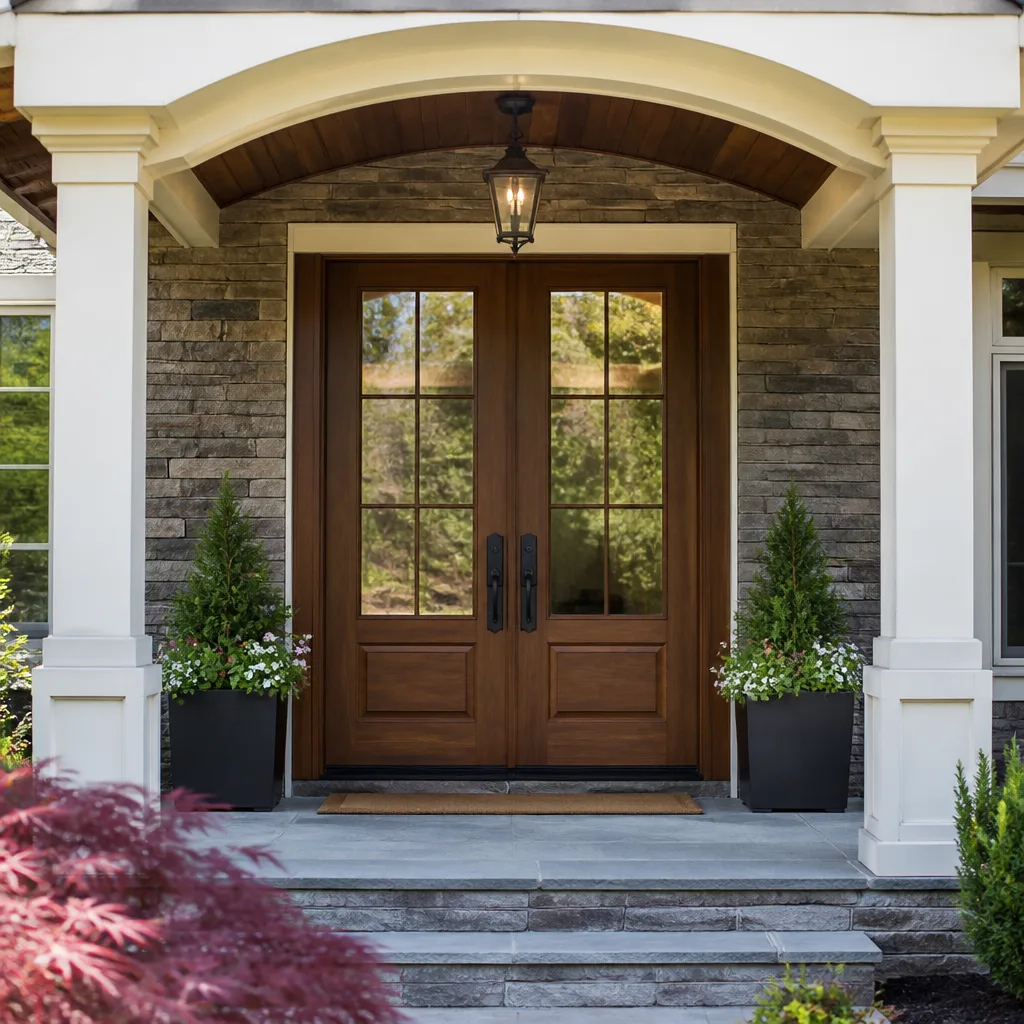
- Entry doors: Therma-Tru fiberglass or steel door systems, complete with frame, sill, and impact-rated glazing where required.
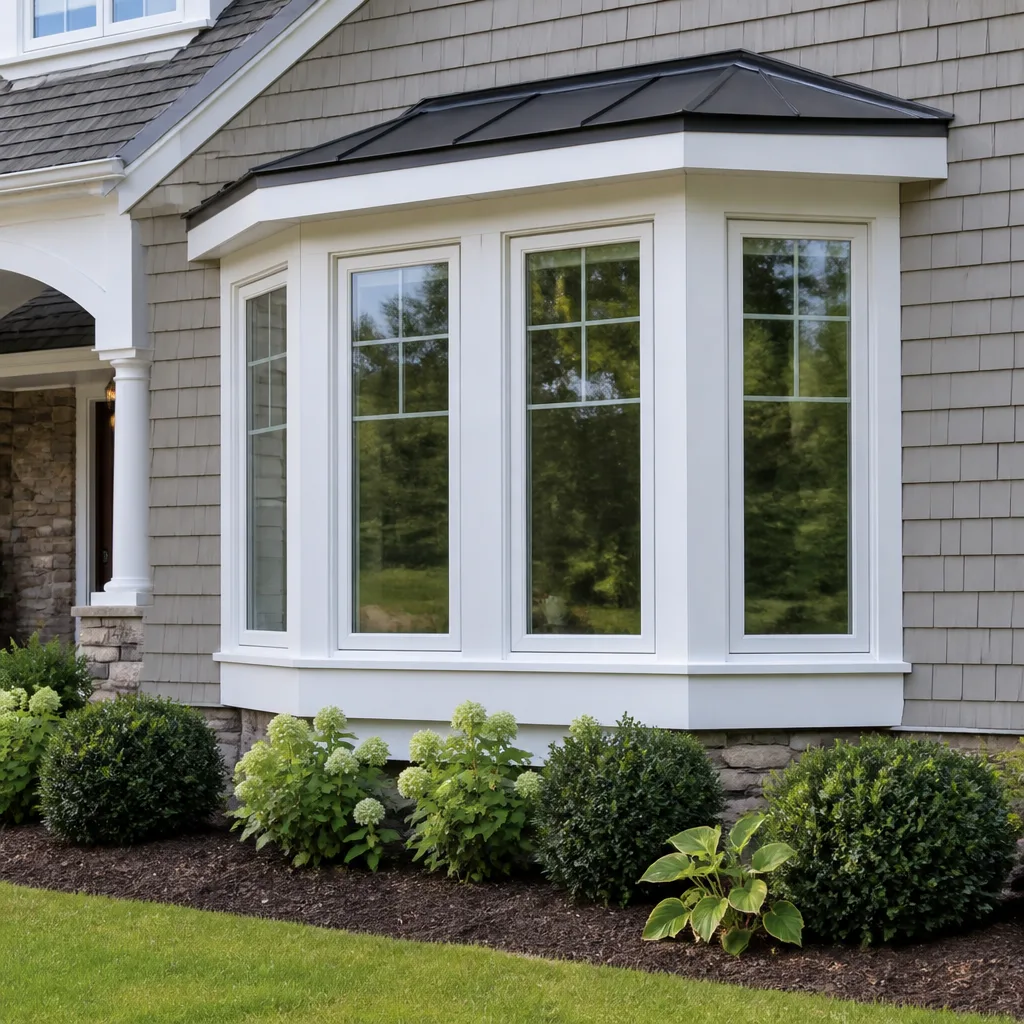
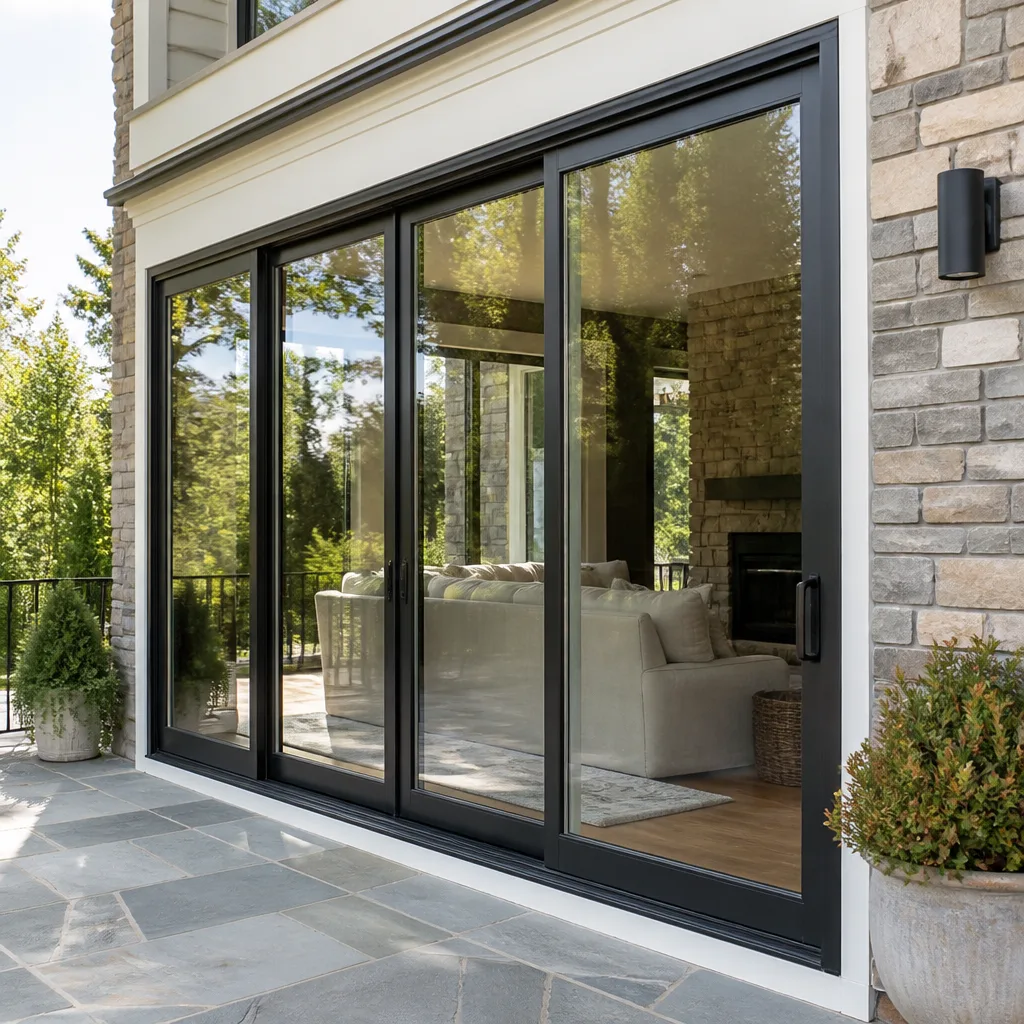
- Sliding glass and patio doors: PGT or CGI sliding glass doors, with the associated frame and anchoring system intact.
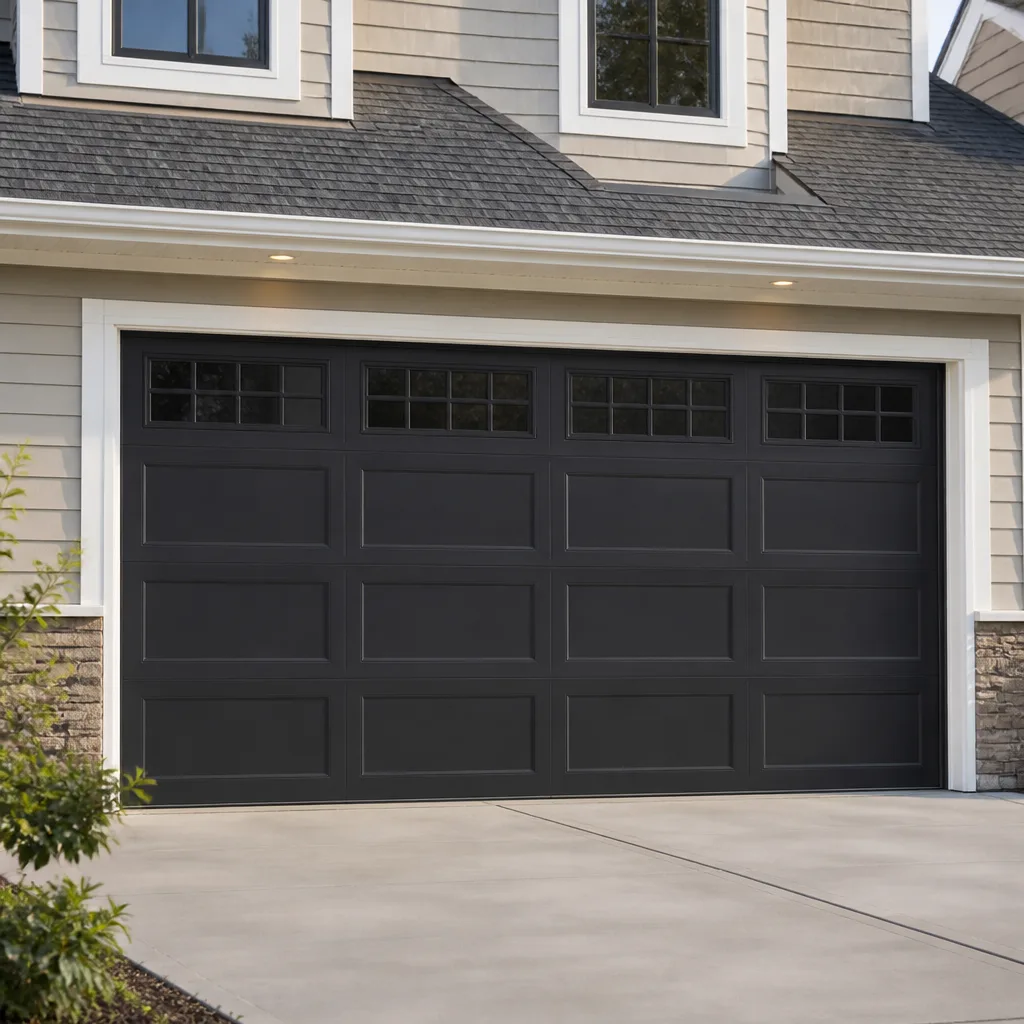
- Garage doors: An impact-rated garage door system tested to the same wind-zone standard as the windows.
One more point about mixing. If you install PGT windows and a no-name entry door that fails during a storm, the water damage that destroys your floors doesn’t care that the windows held. The insurance adjuster will ask one question: was every opening protected to code? If the answer is no, the claim gets complicated. In Westchester, consistent protection is cheaper than colorful product brochures and a mismatched exterior.
Westchester Cost-to-Protection Reality: What You Actually Pay For
Box stores won’t publish this comparison, because it undermines their value proposition. On paper, a non-impact window costs $175 to $300 per opening and an impact window costs $400 to $800. A non-rated entry door might run $300 to $600, while an impact-rated Therma-Tru system runs $1,200 to $2,500 installed. These numbers are real, and they exist in Westchester too. But they are not the whole story. The real comparison is cost to protect versus cost to repair, and in a hurricane zone, that changes the math entirely.
Consider a 1,800-square-foot Westchester home with ten windows, one entry door, one sliding glass door, and a two-car garage door. Protecting every opening with impact-rated products adds, on average, $8,000 to $15,000 to the project compared to builder-grade non-impact replacements. That’s the number most homeowners see first. But Westchester is in a wind-borne debris region, which means non-impact openings have to be protected by shutters or panels to meet code. Good accordion shutters add $2,500 to $5,000 to the project, and they do nothing for your energy bills, your noise levels, or the look of the house.
Impact-rated products also do something shutters don’t: they perform every day. The laminated glass in a PGT or CGI impact window blocks roughly 99% of UV light, cuts exterior noise substantially, and typically drops cooling costs 10 to 30 percent in Westchester’s climate. The energy savings and insurance discount, which can run $300 to $900 per year depending on the policy, offset the upfront difference over the life of the products. The window also works when you’re not home, which shutters don’t. A hurricane warning while you’re out of town means unprotected windows stay unprotected unless a neighbor closes your shutters. Impact windows just sit there and do their job.
Here’s a honest cost comparison for a Westchester home, at mid-range pricing:
- Builder-grade window + shutter: $350 window, $300 shutter share, no energy or noise benefit. Total per opening: $650, and you still have to deploy the shutter.
- Impact window, code-compliant: $550 installed, with energy, noise, UV, and security benefits. No shutter required. Total per opening: $550, and it’s always working.
- Non-rated entry door + shutter: $500 door, $400 shutter track. Odd look, daily hassle. Total: $900.
- Impact-rated Therma-Tru entry door: $1,800 installed, always protected, looks like a front door. Total: $1,800, and the curb appeal is permanent.
The box store comparison usually ends at the sticker price. The Westchester-specific comparison includes hurricanes, insurance, air conditioning, and whether the protection works when nobody is home. That’s the version that matters.
Want an exact number for your house? Call Winslow Windows & Doors at (863) 251-5864. Ed Winslow will walk you through the real cost to protect your specific home, and the estimate is free.
The 36500-Day Done Right Promise vs. Manufacturer Warranties
Manufacturer warranties cover product defects. They matter. A PGT or Therma-Tru warranty covers things like seal failure, glass defects, or door slab delamination. What they don’t cover is the installation. If a window is installed with the wrong fasteners and leaks into the wall a year later, PGT’s warranty won’t pay to fix the water damage. The installer’s workmanship warranty is where that coverage lives, and that’s why we built the 36500-Day Done Right Promise.
The promise is simple: if it’s not done right, Winslow makes it right, period. That’s 100 years of accountability, which sounds absurd until you understand why we wrote it that way. Ed Winslow is the owner, and Ed Winslow’s name is on the business. When a Westchester homeowner calls with a problem on a job we installed, we don’t check the calendar to see if a one-year workmanship window has expired. We come look. If we made a mistake, we fix it. That’s the promise, and it’s not written to be cute. It’s written to be the difference between a contractor who vanishes and a neighbor you can call.
Here’s how the two layers of protection work together on a typical Westchester install:
- Manufacturer’s warranty: covers defects in the product itself. PGT covers glass and frame defects, Therma-Tru covers slab and finish issues. Claim it through the manufacturer, sometimes with the installer’s help.
- Workmanship warranty: covers defects in the installation. This is the installer’s responsibility, and it’s only as good as the installer’s word.
- The 36500-Day Done Right Promise: Winslow’s own guarantee that workmanship was done right, or we return to make it right. No expiration.
In Westchester, where a bad install can mean water in the wall cavity during a November squall, the difference between a one-year workmanship warranty and a lifetime promise is real money. The average Westchester homeowner will own their house for 13 years. A leak that takes four years to show up is outside most installers’ written workmanship windows. It’s inside ours. We have a published address and license number in Westchester, and we’ve been here since 2011. There is nowhere for us to hide, and we don’t intend to.
Common Mistakes to Avoid
- Buying windows before checking the wind zone. A homeowner falls in love with a triple-pane window that isn’t impact-rated for their Westchester address. The permit is rejected, and the deposit is lost. Always check the permit record first.
- Treating the garage door as a separate project. The garage door is the largest opening in most Westchester homes. Leaving it unprotected wraps pressure around every other opening. Replace it in the same system.
- Assuming “impact glass” and “impact window” mean the same thing. Impact glass is just the laminated pane. An impact window is the full system, glass, frame, and anchors, tested together. One without the other is code liability.
- Paying a large deposit before the permit is approved. If the permit office flags the product, the homeowner is chasing a contractor for a refund on a non-compliant window. Permit first, money second.
- Choosing installer by price alone. Low bids in Westchester often mean the installer is not manufacturer-authorized, which can void the product warranty. An authorized installer for PGT, CGI, and Therma-Tru costs more because it’s the only way the warranty survives.
- Ignoring the entry door. A protected window wall and a hollow-core entry door is a system with a hole. The door is part of the envelope, and in Westchester it faces the same wind as everything else.
- Skipping the energy conversation. Impact products have real energy benefits in Westchester’s climate. Choosing the cheapest impact window forfeits UV and thermal benefits that pay back over years.
When to Call a Professional
Call a professional when the job touches the exterior envelope. A licensed Westchester contractor is required for any replacement of windows, entry doors, sliding glass doors, or garage doors. This is not a DIY weekend project-read our DIY vs Professional Windows & Doors: The Westchester Homeowner’s Decision Guide to see why-in a wind-borne debris region with permitting and product approvals. You need someone who knows which Florida Product Approvals match your address, how to anchor frames to meet current code, and how to pull the permit without surprises. Winslow Windows & Doors offers free estimates in Westchester. Call (863) 251-5864, and a live person will answer, 24/7. Ed Winslow has been installing impact windows and doors in Westchester since 2011, and he will give you a straight answer about your home’s real needs.
Frequently Asked Questions
Impact windows in Westchester typically run $400 to $800 per opening installed, depending on size, frame material, and brand. PGT and CGI products sit at the higher end of that range because of their certification and performance. Call (863) 251-5864 for a free, written estimate specific to your home.
Yes, Miami-Dade County requires a permit for replacement windows and exterior doors, and the products must carry Florida Product Approval numbers that match your home’s wind zone. A licensed contractor handles this as part of the job. If anyone tells you a permit isn’t needed, walk away.
Yes, if the shutters are properly rated for the same wind zone and are deployed correctly. But shutters only protect when closed. Impact windows protect 24/7, add energy savings, and remove the deployment hassle. We install both approaches, and the choice depends on budget and how you live in the house.
HVHZ products pass the stricter large-missile impact test used in Miami-Dade and Broward. Non-HVHZ products pass the ASTM E1996 standard. Your specific Westchester address determines which applies. Guessing wrong means a failed inspection and a product you can’t return.
They work together when each is installed as its own certified system. PGT windows in PGT frames and Therma-Tru doors in Therma-Tru frames make a complete envelope. Mixing a PGT slab into an off-brand frame voids both warranties and code certifications.
Yes, in most cases. Impact-rated openings qualify for wind mitigation discounts on your homeowners insurance, which can amount to hundreds of dollars annually in Westchester. The exact discount depends on your carrier and the documentation from the installation. We provide the paperwork your insurer needs.
The Bottom Line
Windows and doors in Westchester are one system, not separate purchases. Your home’s wind zone decides the product, the permit decides the sequence, and the installer decides whether the warranty means anything. Buy in the right order: permit first, product second, installer third. Protect every opening, including the garage and side doors, or you’ve protected nothing. And choose an installer whose name is on the business, because manufacturer warranties don’t cover workmanship. Ed Winslow has been installing impact windows, Therma-Tru doors, and complete exterior protection in Westchester since 2011. The 36500-Day Done Right Promise is his word: if it’s not done right, we make it right. Call (863) 251-5864 for a free estimate. We’re the one down the road.
Written by Ed Winslow, Owner at Winslow Windows & Doors, serving Westchester since 2011.
Six Reasons Homeowners Choose Winslow Windows & Doors
Impact systems engineered to design pressures up to +/-100, matched to your wind zone - your openings hold when the storm arrives.
Low-E insulated impact glass from our manufacturer lines commonly cuts monthly cooling bills 20-30%.
Laminated impact glass shuts out up to 40% of outside noise - traffic, neighbors, weather.
Monitoring services run $30-90 a month. Laminated impact glass resists forced entry around the clock, with no subscription.
Florida homeowners average around 25% savings on the windstorm portion of their policy after protecting every opening - some homes qualify for more.
A full impact package upgrades curb appeal, buyer confidence and appraised value in one project.